12 Gallon Shop Vac for a Workshop: What to Look For
A 12 gallon shop vac is a practical middle-ground size for many workshops: large enough for routine sawdust and debris, but easier to store…

Practical help choosing, using, fixing and maintaining shop vacuums.
A 12 gallon shop vac is a practical middle-ground size for many workshops: large enough for routine sawdust and debris, but easier to store…
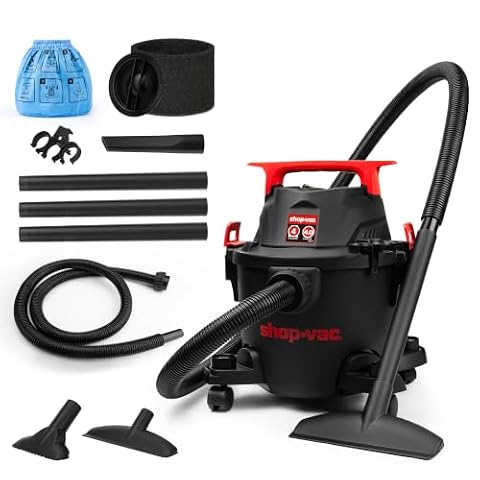
A 4-gallon shop vac is usually the better choice for portability and small cleanup jobs, while a 6-gallon model offers more debris capacity…

A 6 gallon shop vac is easier to carry and store, while a 12 gallon model reduces emptying during larger cleanup jobs. Here is how to…

CFM measures how much air a shop vac moves, while inches of water lift measures how strongly it can pull against resistance. Learn which…

A shop vac’s gallon rating describes its tank’s nominal capacity—not its suction power or the amount of debris you can always collect.…
A 10- to 12-gallon shop vac is usually enough for routine cleanup in a two-car garage. Go larger if you regularly vacuum spills, renovation…

For many small wood shops, a 5- to 10-gallon shop vac is a practical balance of portability and capacity. Choose based on the tools you’ll…

A shop vac’s peak horsepower is a limited comparison figure, not a guarantee of cleaning power. Airflow, sealed suction, and the job you…
Bagged shop vacs make dry dust cleanup cleaner and easier, while bagless models offer simpler wet pickup and fewer consumables. The better…

Corded shop vacs are usually better for long, demanding cleanup sessions, while cordless models are easier to carry and more convenient for…

A dust extractor can replace a shop vac for many dry, fine-dust tasks, especially when connected to a power tool. But it is not…

Metal and plastic shop vacs can both clean wet and dry debris effectively. The better drum material depends on how often you move the…

Portable shop vacs are easier to carry and store, while wheeled models usually offer larger capacity and better stability. The right choice…

A shop vac is the better choice for liquid spills, renovation debris, garages, and workshops. A household vacuum is usually better for…
A small shop vac is usually the better choice for capturing dust directly from power tools, while a backpack vacuum is easier to carry for…

A broom and dustpan are usually simpler for quick, routine garage sweeping. A shop vac is more useful for heavier debris, corners, vehicle…
A bypass motor cools itself with a separate airflow path; a flow-through motor uses the vacuum’s working airflow for cooling. That…

A central vacuum inlet is a connection to a built-in vacuum system, not a vacuum by itself. A portable shop vac brings its own motor and…
A shop vac uses a motor-driven fan to pull air and debris through a hose into a collection tank. The filter, tank, and wet-pickup shutoff…

For piles of dry leaves, a leaf blower vacuum kit is usually the faster choice. A shop vac is better for targeted cleanup, heavier debris,…
For ordinary dry messes inside the home, a regular vacuum is usually enough. A shop vac makes more sense for liquids, bulky debris, and…
A shop vac handles general cleanup and occasional tool dust, while a dust extractor is designed for sustained fine-dust collection at power…

Fine-dust filters and foam filters serve different jobs in a wet-dry shop vacuum. Use a fine-dust filter for dry particulate cleanup and a…

A HEPA shop vac filter can capture much finer particles than a standard filter, but it is not automatically the right choice for every job.…

A pump-out shop vac moves collected water out through a discharge hose, while a drain-cap model empties by gravity. Choose based on how…
For a wet floor, use a shop vac to pick up standing water and a shop fan to help the remaining moisture evaporate. The right order depends…

