Bagged shop vacs make dry dust cleanup cleaner and easier, while bagless models offer simpler wet pickup and fewer consumables. The better choice depends on the debris, cleanup conditions, and maintenance you expect.
Bagged and bagless shop vacs can both handle routine cleanup, but they suit different jobs. A bagged shop vac is usually the cleaner, more convenient choice for fine dry dust because the bag contains debris during removal. A bagless shop vac avoids recurring bag purchases and is often more convenient for wet pickup, but emptying the drum can release dust and requires more filter maintenance.
The best choice depends less on suction claims and more on what you plan to collect: fine dust, coarse debris, liquids, or a mix of materials.
How bagged and bagless shop vacs work
A bagged shop vac uses a disposable collection bag inside the drum. Air and debris enter the bag, while the vacuum’s filter provides additional protection for the motor and helps control finer particles. When the bag is full, you remove and replace it.
A bagless shop vac collects debris directly in the tank. It still normally needs a filter for dry pickup. “Bagless” does not mean “filterless”: the filter remains important for protecting the motor and limiting dust discharged through the exhaust.
Some shop vacs can use either a collection bag or direct-to-drum pickup. This gives you flexibility, but the correct filter and setup still depend on whether you are vacuuming dry debris or liquid.
Product prices and availability are accurate as of the date/time indicated and are subject to change. Any price and availability information displayed on Amazon.com at the time of purchase will apply to the purchase of this product.
Bagged shop vacs: advantages and disadvantages
Advantages
Cleaner disposal: The bag encloses dust and debris, reducing the cloud that can occur when emptying a tank.
Better for fine dry dust: A suitable high-efficiency or fine-dust bag can reduce the amount of material reaching the main filter.
Less frequent filter cleaning: Because the bag captures much of the debris first, the filter may load more slowly during dry pickup.
Quicker cleanup: Replacing a sealed bag is often faster than carrying a dusty drum to a trash can.
Useful for indoor work: Bagged collection is convenient when cleaning drywall dust, sawdust, insulation debris, or other dry material in a finished space.
Disadvantages
Ongoing consumable cost: You need replacement bags that fit the specific vacuum and drum design.
Reduced capacity when the bag fills: Airflow can drop as the bag becomes full or its material becomes clogged with fine dust.
Less convenient for wet pickup: Disposable dry collection bags generally must be removed before vacuuming liquids. Follow the vacuum manufacturer’s instructions rather than assuming a bag is wet-safe.
A torn or poorly fitted bag can cause problems: Debris may bypass the intended collection path and load the filter or reach the motor.
Product prices and availability are accurate as of the date/time indicated and are subject to change. Any price and availability information displayed on Amazon.com at the time of purchase will apply to the purchase of this product.
Bagless shop vacs: advantages and disadvantages
Advantages
No disposable bag requirement: You can empty the tank and continue working without keeping replacement bags on hand.
Good for bulky debris: Wood chips, dirt, gravel, and larger workshop debris can go directly into the drum.
Convenient for wet pickup: Many wet-dry vacuums are designed to collect liquids directly in the tank, with the dry filter removed or changed according to the manual.
Easy to see the fill level: A transparent or accessible tank can make it easier to tell when the vacuum needs emptying.
Lower recurring supply cost: You avoid bag purchases, although filters and other wear parts still need replacement.
Disadvantages
Dustier emptying: Fine debris can become airborne when you remove the lid or dump the tank.
More filter maintenance: Dry debris goes directly into the tank, so the filter may load faster, especially with fine dust.
Performance can fall quickly with a clogged filter: A dirty filter restricts airflow and can make the vacuum appear to have weak suction.
Messier handling: The drum may need to be wiped or rinsed, and it must be dry before dry vacuuming if the manufacturer requires that setup.
Potentially greater exposure to fine dust: For hazardous, very fine, or regulated materials, a standard bagless shop vac may not provide adequate containment. Use equipment and filtration specifically approved for the material.
Product prices and availability are accurate as of the date/time indicated and are subject to change. Any price and availability information displayed on Amazon.com at the time of purchase will apply to the purchase of this product.
Which type is better for common jobs?
Sawdust, drywall dust, and fine workshop dust
A bagged setup is usually more convenient. The bag captures much of the dust before it reaches the filter and makes disposal cleaner. Use a filter and collection bag rated for the material and compatible with the vacuum.
For especially fine dust, check whether the vacuum supports a fine-dust or high-efficiency filter. A standard filter may not provide the level of containment needed for certain materials.
Wood chips, dirt, and coarse debris
Either type can work. A bagless vacuum offers direct-to-drum capacity and avoids using bags for bulky material. A bagged vacuum may still be preferable if you want faster, cleaner disposal.
Water and other liquids
A bagless wet-dry setup is generally the practical choice, provided the vacuum is designed for wet pickup. Remove or change the dry filter exactly as the manufacturer specifies. Do not assume that a paper collection bag, cartridge filter, or dry-only accessory is safe for liquids.
Before switching to wet pickup, check that the tank, hose, float shutoff, and other wet-use components are installed correctly. Stop if the vacuum’s float activates or if liquid reaches areas that should remain dry.
Indoor cleanup
Bagged collection usually has the advantage when dust containment and quick disposal matter. For routine spills or larger debris, a bagless vacuum may be adequate if you can empty it outdoors or in a well-ventilated area.
Occasional household use
Bagless may be simpler if you do not want to store or reorder bags. Bagged may be better if the vacuum will regularly collect dusty material and you want less filter cleaning.
Bagged versus bagless: the important specifications
Collection capacity
Tank size does not tell the whole story. A bagged vacuum’s usable capacity depends on the bag size and how quickly fine dust restricts it. A bagless vacuum’s rated drum capacity may include space that you should not fill completely, especially during wet pickup.
Choose enough capacity for the job, but remember that a larger, heavier tank can be harder to carry and empty.
Filter type and availability
Filter design affects both performance and operating cost. Check whether replacement filters are readily available and whether the vacuum supports:
Standard dry-debris filters
Fine-dust or high-efficiency filters
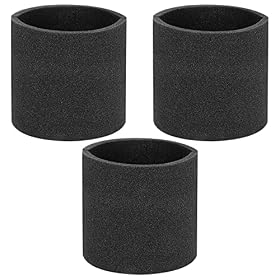
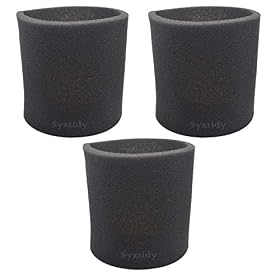
Foam sleeves for wet pickup, where specified
Washable or reusable filters
Disposable filter bags or pre-filters
A reusable filter may reduce waste, but it still needs proper cleaning and eventual replacement. A filter that looks intact can still be clogged with fine dust.
Bag compatibility
Replacement bags are not universally interchangeable. Match the bag to the vacuum’s manufacturer, model or series, inlet design, and drum size. A bag that seems to fit but does not seal correctly can allow debris to bypass it.
Before buying a bagged vacuum, check the continuing availability and cost of its bags. Before buying a bagless model, check the cost and availability of its replacement filters.
Wet/dry changeover
If you need to collect both solids and liquids, look for clear instructions for switching modes. The required setup may involve removing a paper bag, changing a filter, installing a foam sleeve, or using a float mechanism.
Never rely only on the word “wet-dry” on the product label. Read the manual for the allowed liquids, filter configuration, maximum fill level, and cleanup procedure.
Dust containment
For fine or potentially harmful dust, consider the complete system: bag, filter, seals, hose, and exhaust filtration. A standard shop vacuum may not be suitable for asbestos, lead paint dust, silica-containing materials, mold, or other hazardous substances. Follow applicable regulations and use equipment specifically rated for the material; consult a qualified safety professional when necessary.
Which is cheaper to own?
Bagless models usually have lower recurring collection costs because there are no disposable bags. However, that does not make them maintenance-free. You may need to clean filters more often, replace filters sooner, and spend more time emptying and cleaning the tank.
Bagged models add a continuing bag cost but may reduce filter loading and cleanup time. The practical cost depends on how often you vacuum, the type of debris, the price and availability of compatible bags, and how much you value cleaner disposal.
For frequent fine-dust cleanup, paying for bags can be worthwhile. For intermittent wet pickup or bulky debris, avoiding bags may be more convenient.
How to choose between them
Choose a bagged shop vac if you:
Regularly collect fine, dry dust
Work indoors or near finished surfaces
Want cleaner disposal
Prefer less frequent filter cleaning
Can easily obtain compatible replacement bags
Choose a bagless shop vac if you:
Frequently collect water or mixed wet debris
Handle bulky dirt, chips, or gravel
Do not want to buy disposable bags
Can empty the tank safely and clean filters
Want one drum that can be emptied and reused for different jobs
If your work includes both fine dry dust and wet pickup, a shop vac that supports both collection bags and direct-to-drum operation may offer the most flexibility. Keep separate filters or accessories for wet and dry work when the manufacturer recommends them, and switch configurations carefully.
Common problems with either setup
Weak suction after switching modes
Check the filter first. A wet or clogged dry filter can restrict airflow. Then inspect the hose, wand, and floor nozzle for a blockage. Confirm that the lid is seated, the bag is attached to the inlet, and the tank or bag is not full.
Dust escaping from the exhaust
Stop using the vacuum and check whether the filter is installed, damaged, clogged, or the wrong type. On a bagged setup, inspect the bag’s collar and seal. On a bagless setup, check the lid gasket and filter seating. Do not continue vacuuming fine dust if the machine is visibly blowing it back into the room.
The bag collapses or will not fill normally
A clogged hose, blocked inlet, full bag, or saturated filter can restrict airflow. Turn off and unplug the vacuum, then inspect the hose and bag connection. Replace the bag if it is full or damaged. If the issue continues with a new bag and a clean, correctly installed filter, consult the manufacturer.
The bagless drum is difficult to empty
Empty it before the debris reaches the maximum fill line. For dusty material, take the drum outdoors if practical and wear appropriate respiratory and eye protection. A collection bag may be a worthwhile add-on if the vacuum supports one.
Bottom line
Bagged shop vacs are generally better for cleaner, more controlled dry-dust disposal and reduced filter loading. Bagless shop vacs are generally better for wet pickup, bulky debris, and avoiding disposable bags. Neither design is automatically more powerful or more durable; filter condition, hose restrictions, seals, and correct wet/dry setup have a major effect on performance.
FAQ
Are bagged shop vacs better than bagless models?
Neither is universally better. Bagged shop vacs are usually better for fine dry dust and cleaner disposal, while bagless models are often more convenient for wet pickup and bulky debris.
Can you use a bag in a wet-dry shop vac?
Only use a collection bag when the manufacturer allows it and specifies the correct use. Many disposable dry bags must be removed before wet pickup.
Do bagless shop vacs still need filters?
Yes. Bagless shop vacs normally need a filter for dry pickup to protect the motor and control dust. The required filter may change for wet pickup.
Are shop vac bags interchangeable?
Usually not. Match the bag to the vacuum’s manufacturer, model or series, inlet design, and drum size. An imperfect fit can let debris bypass the bag.
Which is better for drywall dust, a bagged or bagless shop vac?
A bagged setup is generally more convenient because it can contain much of the fine dust and make disposal cleaner. Use filtration specifically appropriate for fine dust, and do not use a standard shop vac for hazardous materials unless it is rated for them.