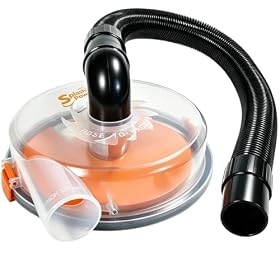
The best shop vac for drywall dust uses a fine-dust or HEPA-rated filter, preferably with a compatible disposable collection bag. Look for effective dust capture, a hose that fits your tools, and a design that is easy to clean without releasing dust back into the room.
Drywall dust is extremely fine, so a standard shop vac setup can clog quickly or blow fine particles back into the room. For drywall sanding and cleanup, choose a wet-dry vacuum that supports a fine-dust or HEPA-rated filter, add the manufacturer-approved collection bag when available, and use a dust-extraction attachment close to the sanding surface.
What to look for in a shop vac for drywall dust
Fine-dust or HEPA-rated filtration
The filter is the most important specification. A general-purpose cartridge filter may be suitable for larger debris but may not capture fine drywall dust as effectively as a filter specifically rated for fine particles.
A HEPA-rated filter can provide a higher level of particle filtration, but verify that the complete vacuum and filter arrangement is intended for dust collection. A HEPA filter does not make a leaking or poorly sealed vacuum dust-free.
Use only filters approved for your vacuum model. Do not operate the vacuum without its required filter, even when using a collection bag.
Disposable dust bags or filter bags
A compatible dust bag can capture much of the drywall dust before it reaches the cartridge filter. This helps maintain airflow and makes disposal cleaner. It can also reduce the amount of dust released when you open the drum.
Check whether the bag is designed for dry pickup and fine dust. Do not use a paper or dry-pickup bag for wet material. Remove the dry-pickup bag before collecting water unless the vacuum manufacturer specifically provides a bag approved for that use.
Useful airflow and suction, not just motor wattage
Motor horsepower alone does not tell you how well a shop vac will collect drywall dust. Look for the manufacturer's airflow and suction information, but compare models cautiously because manufacturers may measure these specifications differently.
For power-tool dust collection, the hose connection, seals, filter condition, and dust port often matter as much as the motor. A smaller hose may fit a sander better, while a larger hose is generally less prone to clogging with loose debris. Use the hose size and adapters recommended for the tool and vacuum.
A tool-compatible dust port
If you are sanding drywall, connect the vacuum directly to the drywall sander, pole sander, or sanding shroud whenever possible. Capturing dust at the source is much more effective than vacuuming it after it has spread through the room.
Before buying, check:
The vacuum hose diameter
The sander or tool dust-port size
Whether an adapter is included or required
Whether the connection stays secure during movement
Whether the vacuum supports automatic switching with a connected power tool, if that feature matters to you
Filter-cleaning features
Drywall dust loads a filter quickly. A vacuum with a filter-cleaning system can be more convenient for longer jobs, but it still needs regular inspection and maintenance. Follow the manual before tapping, washing, or replacing the filter. Some filters must not be washed, while others need to be completely dry before reuse.
Best setup for drywall sanding
For routine drywall work, use this setup:
Install the correct fine-dust or HEPA-rated filter.
Add a compatible dry dust bag if the vacuum supports one.
Connect the hose directly to the sanding tool or shroud.
Check that the hose, lid, drum, and tool adapter seal properly.
Start the vacuum before sanding.
Pause periodically to check airflow and filter loading.
Empty or replace the bag before it becomes overfilled.
A cyclone or pre-separator can be useful for larger renovation jobs because it collects some dust before it reaches the vacuum filter. It does not replace the vacuum's required filter, and every connection must remain sealed.
Product prices and availability are accurate as of the date/time indicated and are subject to change. Any price and availability information displayed on Amazon.com at the time of purchase will apply to the purchase of this product.
Safety considerations
Wear appropriate respiratory and eye protection even when using dust extraction. Keep other people away from the work area, improve ventilation where appropriate, and follow the drywall compound and tool manufacturers' instructions.
Some construction materials can contain respirable silica or other hazardous components. If you are sanding an unknown material, working in a commercial setting, or creating substantial dust, consult the product safety information and follow applicable workplace requirements. Do not dry sweep the settled dust; use suitable vacuuming and cleanup methods instead.
Do not use a shop vac to collect materials that can damage the vacuum or create a fire or explosion hazard unless the vacuum is specifically rated for that application.
Product prices and availability are accurate as of the date/time indicated and are subject to change. Any price and availability information displayed on Amazon.com at the time of purchase will apply to the purchase of this product.
How to keep a drywall-dust vacuum working well
Inspect the filter before every job.
Replace a damaged, collapsed, or permanently clogged filter.
Keep the hose straight enough to maintain airflow.
Check the hose and tool port for compacted dust.
Empty the drum or change the bag before it is full.
Clean the exterior and lid seal without blowing dust into the room.
Store the vacuum with the filter dry and installed as directed.
If suction drops during sanding, stop first and check the filter, bag, hose, tool port, lid seal, and drum capacity. If those parts are clear and correctly installed, the filter may need replacement. A vacuum that still loses suction, overheats, smells electrical, trips a breaker, or makes unusual motor noise should be unplugged and inspected according to the manufacturer's instructions. Electrical repairs are best handled by a qualified professional.
Product prices and availability are accurate as of the date/time indicated and are subject to change. Any price and availability information displayed on Amazon.com at the time of purchase will apply to the purchase of this product.
When to choose a different vacuum
A basic shop vac may be adequate for occasional patching and cleanup, especially with the correct fine-dust filter and bag. For frequent drywall sanding, prioritize a model with a well-sealed dust-collection design, readily available replacement filters and bags, tool-compatible connections, and convenient filter maintenance.
If the vacuum repeatedly clogs, leaks dust around the lid, cannot maintain airflow through the tool, or lacks compatible fine-dust filtration, replacing the filter or adding a proper bag may solve the problem. If compatible filtration and replacement parts are unavailable, replacing the vacuum is usually more practical than modifying it with unapproved parts.
Product prices and availability are accurate as of the date/time indicated and are subject to change. Any price and availability information displayed on Amazon.com at the time of purchase will apply to the purchase of this product.
FAQ
Can I use a regular shop vac for drywall dust?
You can use one for some drywall cleanup if it has the correct fine-dust filter and, preferably, a compatible dust bag. A standard filter may clog quickly or allow fine dust to pass through, so check the vacuum manufacturer's approved filter options.
Is a HEPA filter necessary for drywall dust?
A HEPA-rated filter is a useful choice when you want higher-efficiency fine-particle filtration, but the entire vacuum setup must be properly sealed. Use the filter specified for the vacuum and still use source capture and respiratory protection.
Should I use a bag when vacuuming drywall dust?
Usually, yes. A compatible dry dust bag can catch much of the material before it reaches the main filter and makes disposal cleaner. Confirm that the bag is approved for fine dust and remove it before wet pickup unless the manufacturer says otherwise.
Why does my shop vac lose suction when sanding drywall?
The most common causes are a loaded filter, full bag or drum, clogged hose or tool port, leaking connection, or an incorrectly installed filter. Check those items in that order before suspecting the motor.
Can a shop vac collect drywall dust without a filter?
No. Do not operate a shop vac without the filter required by its manufacturer. A collection bag does not necessarily replace the filter, and running without one can release dust or damage the vacuum.