Fine dust around the shop vac filter usually points to a damaged or incorrectly installed filter, a missing seal, an unsuitable filter, or a leak elsewhere in the vacuum. Follow these checks in order before replacing the entire shop vac.
Fine dust escaping around the shop vac filter usually means the filter is damaged, installed incorrectly, not suitable for the material being collected, or unable to seal against the filter housing. Unfiltered air can also enter through a loose lid, hose connection, or damaged gasket, so inspect the complete airflow path before assuming the motor is the problem.
Turn off and unplug the shop vac before opening it. Wear eye protection and a suitable dust mask or respirator for the material involved. Do not blow contaminated dust into the air with compressed air.
1. Check the filter first
Remove the filter and inspect it in good light. Look for:
Tears, pinholes, split seams, or crushed pleats
A filter that is packed solid with dust
A loose end cap or damaged mounting ring
Dust on the clean-air side of the filter
A filter that is wet when it should be used only for dry pickup
The wrong filter type for the debris
A filter that is loaded with fine dust may restrict airflow, while a damaged filter can allow dust to pass directly into the motor area and back out through the exhaust. Replace a damaged or heavily clogged filter rather than trying to clean it aggressively.
Follow the filter manufacturer's cleaning instructions. Some cartridge filters can be gently tapped or rinsed, while others must not be washed. Let a washable filter dry completely before reinstalling it.
2. Confirm the filter is installed correctly
A filter can look fitted while still leaving a gap around the intake cage or mounting post. Check that:
The filter is seated fully over the correct cage or mounting point.
The retaining nut, band, or latch is installed as directed.
The filter gasket is facing the sealing surface.
No pleats, fabric, or gasket material is folded under the rim.
The filter is not distorted by an incorrect retainer or an incompatible part.
Do not force a filter into place or substitute a filter solely because it has a similar diameter. The sealing surface, height, mounting method, and filter rating all affect whether it works correctly.
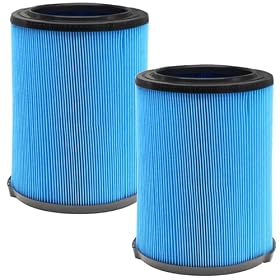
Product prices and availability are accurate as of the date/time indicated and are subject to change. Any price and availability information displayed on Amazon.com at the time of purchase will apply to the purchase of this product.
3. Inspect the gasket and sealing surfaces
Fine dust can escape through a surprisingly small gap. Wipe dust from the filter rim, lid, and sealing surface, then inspect the gasket for flattening, cracking, hardening, or missing sections.
Also check the lid gasket and the area where the motor head meets the drum. A loose lid latch, warped drum rim, or damaged seal can let dusty air bypass the filter. Close the lid evenly and make sure every latch engages.
If the gasket is permanently compressed or damaged, replace the gasket or the compatible filter assembly. Avoid relying on household tape or improvised foam near the motor head; these materials may interfere with the lid, airflow, or heat dissipation.
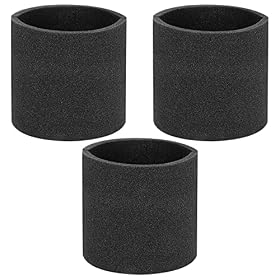
Product prices and availability are accurate as of the date/time indicated and are subject to change. Any price and availability information displayed on Amazon.com at the time of purchase will apply to the purchase of this product.
4. Look for a hose or intake clog
A partial clog increases resistance and may make the vacuum discharge dust through weak seals or overloaded filtration. Disconnect the hose and check both ends, the inlet, the wand, and any attachment for compacted debris.
For a simple check, briefly switch on the vacuum with the hose removed and keep hands, clothing, and loose objects away from the intake. If suction improves without the hose, clear or replace the blocked hose or attachment. Use the manufacturer's procedure for clearing a clog rather than pushing a sharp object through the hose.
Inspect the hose for splits and loose cuffs. A crack on the suction side can reduce performance and allow dust to escape around a connection, even if the filter itself is intact.
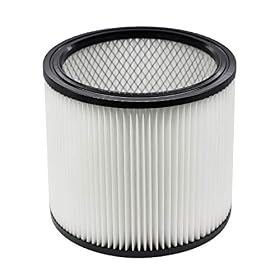
Product prices and availability are accurate as of the date/time indicated and are subject to change. Any price and availability information displayed on Amazon.com at the time of purchase will apply to the purchase of this product.
5. Check the collection setup
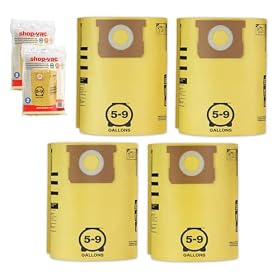
Fine dry dust often needs more than a standard general-purpose filter. Depending on the vacuum and material, the correct setup may include a collection bag, a fine-dust cartridge filter, a high-efficiency filter, or a pre-separator. Use only combinations approved for that shop vac.
Check these common setup errors:
A dry filter is missing during dry pickup.
A wet-use foam sleeve is being used for fine dry dust.
A collection bag is installed backward, torn, or not attached to the inlet.
A bag is being used with a filter setup that the manufacturer does not allow.
A standard filter is being used for dust that requires higher-efficiency filtration.
The filter is removed because the vacuum seems to have more suction without it.
Never operate a shop vac without the required filter for the pickup mode. Removing the filter can send dust into the motor and out of the exhaust.
Product prices and availability are accurate as of the date/time indicated and are subject to change. Any price and availability information displayed on Amazon.com at the time of purchase will apply to the purchase of this product.
6. Empty the drum or replace the bag
A full drum or overfilled bag can restrict airflow and cause dust to escape around the lid, inlet, or filter. Unplug the vacuum, empty the drum outdoors or in a controlled area, and clean the rim before closing it.
Replace a disposable bag when it is full, damaged, or visibly restricting airflow. Do not shake a fine-dust bag indoors. If the bag repeatedly fills very quickly, inspect the material source and consider a pre-separator to reduce the load on the main filter.
7. Check whether the filter is suitable for the dust
“Fine dust” covers many materials, and a standard shop vac filter is not automatically appropriate for all of them. Wood dust, drywall dust, ash, concrete dust, and other powders can place different demands on filtration and cleanup.
For hazardous dust such as crystalline silica, asbestos, lead-containing dust, or other regulated contaminants, use equipment and filters specifically approved for that hazard and follow applicable workplace and disposal requirements. A typical household or general-purpose shop vac should not be assumed safe for these materials.
A filter labeled for fine dust may improve capture, but the complete vacuum system still matters: filter fit, seals, bags, exhaust filtration, and the dust-producing tool's collection method all affect exposure.
8. Check for dust at the exhaust
After correcting the filter and seals, run the vacuum briefly in a well-ventilated, clean area without creating a dust cloud. Look for visible dust at the exhaust and check whether dust is accumulating on the motor-head vents.
If dust is coming from the exhaust, stop using the vacuum until you identify the cause. Possible problems include:
A damaged or missing filter
A filter installed on the wrong side of the cage
A failed internal seal
Dust that has reached the motor compartment
A motor-head or housing problem
Do not open the motor housing unless the manufacturer specifically permits servicing and you can do so safely. Electrical repairs and internal motor inspection should be handled by a qualified service professional.
When to replace the filter or the shop vac
Replace the filter when it is torn, no longer seals, remains clogged after approved cleaning, or has been contaminated with material that should not be redistributed. Choose a compatible replacement based on the exact vacuum model and the debris being collected.
A replacement vacuum may be more reasonable when the drum or lid is warped, the filter housing is cracked, the motor head leaks internally, or compatible filters and seals are no longer available. If the unit has been sending dust through the exhaust, do not continue using it for fine-dust collection until it has been repaired or replaced.
How to prevent fine dust from escaping
Install the filter and bag exactly as directed.
Empty the drum before it is overfilled.
Clean the sealing rim whenever the lid is removed.
Inspect the filter before each fine-dust job.
Use a pre-separator when collecting large amounts of dry dust.
Keep hoses, cuffs, and attachments free of cracks and clogs.
Use the filtration level required for the specific material.
Store clean filters where they will not be crushed or contaminated.
Dispose of hazardous dust according to the material's safety requirements.
FAQ
Why is dust coming out around my shop vac filter?
The most common causes are a damaged or clogged filter, an incorrectly installed filter, a missing or worn gasket, a loose lid, or a filter that is not suitable for the dust. Check the filter and sealing surfaces first, then inspect the hose, bag, drum, and exhaust.
Can I use a shop vac without a filter for fine dust?
No. Removing the filter can send dust into the motor and out through the exhaust. Use the filter and collection setup specified for the vacuum and the material being collected.
Should I use a bag with a fine-dust filter?
Often, a compatible bag can reduce the load on the main filter, but the correct combination depends on the vacuum and manufacturer instructions. Do not assume every bag and filter can be used together.
How do I know whether a shop vac filter needs replacing?
Replace it if it is torn, permanently deformed, no longer seals, remains heavily clogged after approved cleaning, or has been contaminated with unsuitable material. Dust on the filter's clean-air side is also a warning sign.
Can a shop vac collect concrete or silica dust?
Only use equipment specifically appropriate for that hazard and follow applicable safety requirements. A general-purpose shop vac and ordinary filter should not be assumed to provide adequate protection from respirable silica or other hazardous dust.