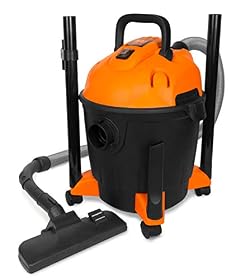
The best shop vac for fine dust is not simply the one with the largest motor. Look for effective filtration, a sealed hose and canister, compatible dust bags, and enough airflow to capture particles before they spread.
Fine dust requires more than a powerful motor. The best shop vac for fine dust has a filtration system designed for small particles, maintains airflow as the filter loads, seals well against leaks, and works with the hose or dust port on your tool. A disposable collection bag or pre-separator can also make a major difference.
For ordinary woodworking or cleanup, a well-sealed wet-dry vacuum with a fine-dust or HEPA-rated filter may be suitable. For hazardous dust—especially respirable crystalline silica from concrete, masonry, or some engineered-stone materials—use equipment and work practices specified by the tool and dust-control manufacturer. A general shop vac should not automatically be treated as a compliant silica-control system.
What to look for in a fine-dust shop vac
Fine-particle filtration
The filter is the most important specification for fine dust. A standard foam or coarse cartridge filter may protect the motor while allowing small airborne particles to pass through the exhaust.
Look for:
A cartridge filter specifically labeled for fine dust
A HEPA filter when the application calls for high-efficiency particle filtration
A filter that fits the exact vacuum model and can be replaced when loaded or damaged
A filter-cleaning feature, if you expect long periods of dry vacuuming
“HEPA” describes filtration performance, but the whole vacuum still needs to be reasonably sealed. Air that bypasses the filter through a loose lid, damaged gasket, or open port can release dust even when the filter itself is highly efficient.
Airflow and suction
Airflow helps move dust through the hose, while suction or sealed pressure helps lift material and maintain pickup at the nozzle. Manufacturers may publish different measurements, so do not compare one number in isolation.
For fine dust collection, prioritize a vacuum that:
Matches the dust port and hose size on your tool
Maintains useful airflow through the intended hose length
Has a hose that does not collapse easily
Can collect dust without quickly blocking its filter
A very large hose may move more air but may not fit a small tool port effectively. Conversely, a narrow or excessively long hose can restrict airflow. The best setup is usually the shortest practical hose with a properly fitted tool adapter.
A sealed canister and reliable seals
Fine dust escapes through small gaps. Check for a sturdy lid, an intact gasket, secure latches, and capped or plugged ports that are not in use. A vacuum with high motor power but poor sealing can perform worse for dust control than a less powerful, better-sealed unit.
Look for replacement seals and filters that are actually available for the model. Consumables are part of the operating cost and affect whether the vacuum remains useful over time.
Dust bags and pre-separators
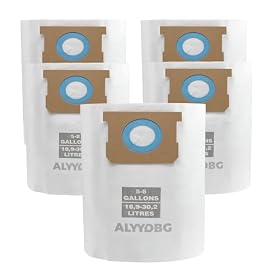
A disposable dust bag can capture much of the debris before it reaches the main filter. That helps preserve airflow and makes disposal cleaner. Use only bags made for the vacuum and the material being collected; an incorrectly fitted bag can collapse, tear, or block the inlet.
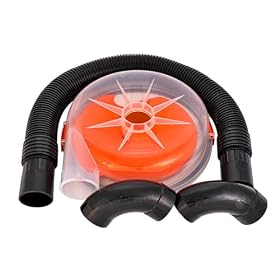
A cyclone pre-separator can be useful for sawdust, chips, and other heavier debris. It reduces the load on the vacuum filter, but it does not replace the final filter and may not remove the finest airborne particles by itself.
Automatic tool activation
If you will connect the vacuum to a sander, router, saw, or other power tool, an automatic on/off outlet can improve convenience and reduce the chance of leaving the vacuum running unnecessarily. Verify the outlet's electrical rating and follow the manufacturer's instructions.
An automatic outlet is not a substitute for adequate dust extraction. The hose, adapter, filter, and collection method still determine how much dust is captured.
Match the vacuum to the type of fine dust
Wood dust
For woodworking, use a fine-dust filter and a properly sized hose or tool adapter. Sanding creates particularly fine particles, so a collection bag and pre-separator can help keep the filter from loading quickly. Keep the tool's dust port connected as tightly as possible.
A shop vac may work well for portable tools and occasional cleanup, but it may not provide the airflow needed for larger stationary machines. For a table saw, planer, or other high-volume dust producer, compare the tool manufacturer's extraction requirements with the vacuum's published airflow and connection size.
Drywall and joint-compound dust
Drywall dust can load a filter quickly. Use the filter recommended for dry fine dust, avoid vacuuming large piles if sweeping or controlled collection is more appropriate, and monitor airflow during use. Do not use a filter that has become wet unless the manufacturer says it is safe to do so and it has been fully dried.
Concrete, masonry, and silica-containing dust
Concrete and masonry dust require extra caution because respirable silica can cause serious health effects. Use the dust-control method specified for the tool, including the required filter, shroud, water controls, vacuum configuration, and personal protective equipment. A regular consumer shop vac may not meet the requirements for a particular task.
Do not dry sweep settled silica dust or blow it around with compressed air. If the work is commercial, regulated, or produces substantial dust, consult the applicable OSHA requirements and a qualified safety professional.
Ash and other unusual materials
Do not assume a wet-dry vacuum is suitable for fireplace ash, hot debris, liquids containing chemicals, lead dust, mold, or combustible dust. Check the manual and the material's safety guidance first. Some materials require a specialized vacuum with particular construction or filtration.
Product prices and availability are accurate as of the date/time indicated and are subject to change. Any price and availability information displayed on Amazon.com at the time of purchase will apply to the purchase of this product.
Choosing between a shop vac and a dust extractor
A standard shop vac is usually the practical choice for general cleanup, car detailing, small woodworking tools, and occasional renovation work. A purpose-built dust extractor may be preferable when you need more consistent fine-dust control, automatic filter cleaning, certified filtration, or continuous use with professional power tools.
Choose a dust extractor instead of a basic shop vac when:
The tool manufacturer specifies an extractor with particular performance or certification
You are sanding or grinding for extended periods
The dust is hazardous or subject to workplace rules
Filter loading repeatedly causes loss of airflow
You need more dependable sealing and automatic filter maintenance
The lowest purchase price is not always the lowest total cost. Frequent filter replacement, disposable bags, adapters, and downtime from clogged filters can make an undersized vacuum frustrating to operate.
Product prices and availability are accurate as of the date/time indicated and are subject to change. Any price and availability information displayed on Amazon.com at the time of purchase will apply to the purchase of this product.
Setup tips that improve fine-dust collection
Install the correct dry filter and collection bag before starting.
Inspect the lid gasket, hose ends, tool adapter, and unused ports.
Keep the hose as short and straight as practical.
Connect directly to the tool's dust port when possible.
Use a pre-separator for large amounts of chips or heavier debris.
Check airflow during work rather than waiting until the vacuum stops picking up dust.
Clean or replace the filter according to the manual; do not damage a cartridge by striking or washing it improperly.
Empty bags and containers outdoors or using a method that limits dust release.
Wear suitable respiratory protection when the material or task requires it.
Never vacuum liquids with a filter or bag that the manufacturer says must be removed, and never use a wet vacuum setup for dry dust unless it is configured for that purpose. Unplug the vacuum before servicing the filter, clearing a blockage, or inspecting internal parts.
Product prices and availability are accurate as of the date/time indicated and are subject to change. Any price and availability information displayed on Amazon.com at the time of purchase will apply to the purchase of this product.
Common mistakes to avoid
Buying based only on horsepower
Motor horsepower does not fully describe dust-collection performance. Hose design, filter condition, seals, and the vacuum's airflow under load matter just as much.
Using a universal filter without checking compatibility
A filter that looks similar may not seal correctly or may allow dust to bypass the intended filtration stage. Confirm the replacement part against the vacuum's manual or manufacturer documentation.
Running a clogged filter
As a filter loads, airflow falls and dust collection at the tool becomes weaker. Filter-cleaning features can delay this problem, but they do not eliminate the need for inspection and replacement.
Leaving unused openings unsealed
An open inlet or accessory port can reduce suction and provide a path for dust to escape. Cap or close every opening not being used.
Product prices and availability are accurate as of the date/time indicated and are subject to change. Any price and availability information displayed on Amazon.com at the time of purchase will apply to the purchase of this product.
When to replace the filter or vacuum
Replace the filter if it is torn, permanently deformed, no longer seals, or remains heavily restricted after the approved cleaning procedure. Replace a collection bag when it is full or airflow drops, rather than continuing until it bursts.
A replacement vacuum is reasonable when the motor repeatedly overheats, the canister or lid no longer seals, compatible filters and bags are unavailable, or the unit cannot provide the airflow and filtration required by your tool. For hazardous dust, replace or upgrade based on the applicable control requirements—not merely on whether the vacuum still turns on.
FAQ
Is a HEPA filter necessary for fine dust?
It depends on the material and application. A fine-dust filter may be adequate for some general woodworking or cleanup tasks, while HEPA filtration may be appropriate or required for higher-risk applications. The vacuum must also be well sealed; a HEPA filter cannot compensate for leaks around the lid, hose, or ports.
Can any shop vac collect drywall dust?
Many can collect drywall dust when equipped with the correct fine-dust filter and, preferably, a compatible collection bag. Drywall dust can clog filters quickly, so monitor airflow and follow the filter-cleaning instructions. For large or regulated jobs, use the dust-control equipment specified for the work.
Does a bigger shop vac collect fine dust better?
Not necessarily. Motor size alone does not determine fine-dust performance. Filter efficiency, sealed airflow, hose compatibility, tool-port fit, and resistance to filter loading are also important.
Should I use a dust bag with fine dust?
Usually, a compatible disposable bag is helpful because it captures much of the debris before it reaches the main filter and allows cleaner disposal. Confirm that the bag is designed for your vacuum and the material being collected.
Can a regular shop vac be used for concrete or silica dust?
Do not assume it is suitable. Concrete and masonry work can produce respirable silica, which may require specific extraction equipment, filtration, shrouds, work methods, and respiratory protection. Follow the tool manufacturer's instructions and applicable OSHA requirements.