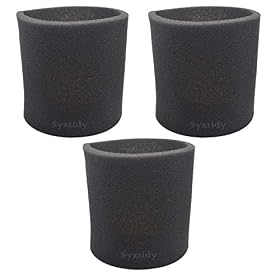
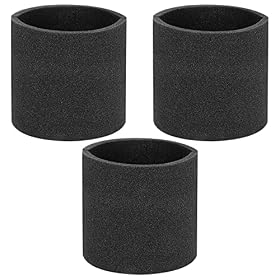
Fine-dust filters and foam filters serve different jobs in a wet-dry shop vacuum. Use a fine-dust filter for dry particulate cleanup and a foam filter for wet pickup when the manufacturer specifies it.
What do you need help with?
Open an answer, or tell us what we should cover next.
Answered in this guide
Choose the right shop-vac filter for dry or wet cleanup
Use a fine-dust filter for dry sawdust, drywall dust, dirt, and other fine particles. Use a foam filter for water and other approved liquids when the vacuum manufacturer requires or allows one.
Check whether a replacement filter fits your shop vac
Before buying, match the replacement filter to the vacuum brand, model or series, tank requirements, dimensions, and manufacturer specifications. Filter shape alone does not confirm compatibility.
Diagnose shop-vac filter problems and weak suction
Inspect the filter when suction drops, dust escapes from the exhaust, wet pickup weakens, or the filter smells damp. Clean or replace it according to the manufacturer’s instructions after unplugging the vacuum.
Request a topic and help us choose what to build next.
Choose a HEPA filter for hazardous or ultra-fine dust
Install a replacement filter on a specific shop-vac model
Prevent mildew after using a foam filter for wet pickup
Requests help us prioritize the next guide. No email required.
One anonymous request per topic.
A fine-dust filter is generally the better choice for dry debris such as sawdust, drywall dust, and fine household dust. A foam filter is generally intended for wet pickup, where it helps protect the motor from water and larger debris while allowing airflow. They are not interchangeable, and the correct choice depends on what you are vacuuming and what your shop vacuum’s manual permits.
Fine-dust filter versus foam filter at a glance
Feature
Fine-dust filter
Foam filter
Main use
Dry dust and fine particles
Wet pickup and liquid cleanup where approved
Filtration
Captures smaller dry particles than a basic wet-use setup
Provides coarse protection during wet pickup rather than fine dry filtration
Best for
Sawdust, drywall dust, sanding residue, ash only when specifically approved
Spills, water, and other nonhazardous liquids
Wet pickup
Usually remove it unless the manufacturer says it can remain installed
Commonly used for wet pickup, but follow the vacuum’s instructions
Dry pickup
Usually appropriate
Usually not a substitute for a dry filter
Main risk
Clogging if overloaded or used with wet material
Poor dry-dust control and possible motor contamination if used alone for fine dust
Choose a fine-dust filter for dry cleanup
Use a fine-dust filter when the material is dry and airborne particles are the main concern. Typical examples include:
Fine sawdust from sanding or cutting
Drywall and joint-compound dust
Dirt and dust from garages or workshops
Fine debris left after drilling or remodeling
A fine-dust filter can improve the amount of particulate captured before air exits the vacuum. However, it still needs to be paired with the right collection setup. A filter cannot compensate for a leaking lid, damaged gasket, loose hose connection, or an open exhaust path.
Fine filters also load faster than coarse filters when used on large amounts of dusty material. A clogged filter reduces airflow and can make the vacuum sound strained. If the job creates a large volume of fine dust, use the collection bag, pre-separator, or other accessory recommended for your vacuum when compatible.
Important exception: hazardous dust
Do not assume that a fine-dust shop vacuum filter makes the vacuum suitable for asbestos, lead paint, mold, silica, or other hazardous materials. Those jobs may require a specifically rated dust extractor, certified filtration, containment, and protective procedures. Follow applicable regulations and the material manufacturer’s guidance.
Product prices and availability are accurate as of the date/time indicated and are subject to change. Any price and availability information displayed on Amazon.com at the time of purchase will apply to the purchase of this product.
Choose a foam filter for wet pickup
A foam filter is commonly used when a wet-dry vacuum is collecting water or other nonflammable, nonhazardous liquids. It helps keep liquid and larger debris away from the motor area while allowing the vacuum to maintain airflow.
Before wet pickup:
Unplug the vacuum.
Remove the dry paper or pleated filter if the manual instructs you to do so.
Install the correct foam filter and retainer, if required.
Confirm that the tank, float, and shutoff mechanism are unobstructed.
Use the vacuum only for liquids the manufacturer permits.
Do not use a foam filter as a replacement for a fine-dust filter during sanding or drywall cleanup. Foam is not designed to provide the same dry-particle filtration, so dust may pass through the vacuum or contaminate the motor compartment.
Product prices and availability are accurate as of the date/time indicated and are subject to change. Any price and availability information displayed on Amazon.com at the time of purchase will apply to the purchase of this product.
Can you use both filters together?
Only if the manufacturer specifically permits that combination. Filter designs, retainers, cages, and motor housings vary. Adding a filter that was not designed to work with the existing one can restrict airflow, prevent proper installation, or allow the filter to rub against moving or heated parts.
The safest rule is to use the filter configuration shown in the owner’s manual for the material being collected. If the manual lists separate dry and wet configurations, switch between them rather than improvising.
Product prices and availability are accurate as of the date/time indicated and are subject to change. Any price and availability information displayed on Amazon.com at the time of purchase will apply to the purchase of this product.
Check compatibility before buying a replacement
Filter shape alone is not enough to confirm compatibility. Check these details:
Vacuum brand and model or series
Tank size, if the manufacturer uses tank-specific filters
Filter dimensions and mounting method
Whether the filter needs a retainer, cage, or adapter
Whether the filter is labeled for dry pickup, wet pickup, or both
Whether the filter is washable, disposable, or replaceable only
A filter that fits over the motor cage may still seal incorrectly. A poor seal can reduce suction and let dust bypass the filter. Use the replacement part listed for your vacuum whenever possible instead of choosing only by appearance.
Maintenance and troubleshooting
The vacuum has weak suction with a fine-dust filter
First, unplug the vacuum and inspect the filter. If the pleats are packed with dust, clean or replace it according to the manufacturer’s instructions. Do not wash a filter unless it is specifically labeled washable.
Then check the hose, wand, nozzle, and inlet for a blockage. Inspect the lid gasket and hose connections for air leaks. If suction remains weak, check whether the drum or collection bag is full. A full bag or drum can restrict airflow even when the filter looks clean.
Dust is blowing out of the exhaust
Stop using the vacuum and unplug it. Confirm that the correct dry filter is installed, fully seated, and undamaged. Check for a missing retainer, torn filter, loose lid seal, or filter that is the wrong size. Also inspect whether the filter is installed in the correct orientation.
If dust has entered the motor area, do not keep operating the vacuum in hopes that the problem will clear. Follow the manufacturer’s cleaning and service instructions. A damaged filter or seal should be replaced before further dry use.
The vacuum loses suction during wet pickup
Unplug the vacuum and check whether the float shutoff has activated. A rising liquid level can close the intake to protect the motor. Empty the tank before continuing, and make sure the hose and inlet are clear.
If the vacuum picked up foam, sludge, or debris that can obstruct airflow, clean the tank and attachments. Do not bypass the float or continue operating after liquid reaches areas the manual identifies as off-limits.
The filter smells damp or develops mildew
Remove the filter and let it dry completely in accordance with the manufacturer’s instructions. Clean the tank, hose, and attachments as appropriate. Do not store a wet foam filter inside a closed vacuum.
Replace a filter that remains musty, has deteriorated foam, or no longer seals correctly. A washable filter still needs periodic replacement when its material or mounting surfaces are damaged.
Which one should you buy?
Choose a fine-dust filter if your main work is dry cleanup, woodworking, remodeling, sanding, or garage dust removal. Choose a foam filter if you primarily need the vacuum for water and other approved liquid spills.
If you regularly switch between wet and dry jobs, the practical solution is to keep the correct filter for each use and change the setup before switching materials. Do not leave a filter installed simply because it fits. When the manual requires a filter type that is no longer available, or when the filter cage, seal, or motor housing is damaged, replace the correct part first. If compatible replacement parts are unavailable or the vacuum has motor damage, replacing the vacuum may be more reasonable than adapting an unsafe filter setup.
Neither is universally better. A fine-dust filter is better for dry particulate cleanup, while a foam filter is generally intended for wet pickup. Use the filter type specified by the vacuum manufacturer.
Can I use a foam filter for sawdust?
Usually not. Foam filters generally do not provide the same dry-dust filtration as a fine-dust filter. Use the dry filter configuration listed in the owner’s manual.
Do I remove the fine-dust filter when vacuuming water?
Often, yes, but the correct setup varies by vacuum. Unplug the machine and follow the manufacturer’s wet-pickup instructions before removing or changing any filter.
Can I wash a fine-dust shop vacuum filter?
Only if the filter is specifically labeled washable. Washing a disposable or non-washable filter can damage its filter media and seal. Let any washable filter dry fully before reinstalling it.
Why is my shop vacuum blowing dust out after I installed a new filter?
The filter may be the wrong model, improperly seated, missing its retainer, damaged, or installed with a leaking lid gasket. Unplug the vacuum and check the filter, seal, hose connections, and collection bag or drum before using it again.