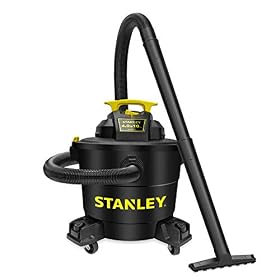
For many small wood shops, a 5- to 10-gallon shop vac is a practical balance of portability and capacity. Choose based on the tools you’ll connect and the dust filtration you need—not tank size alone.
For a small wood shop, a 5- to 10-gallon shop vac is often a useful starting range: compact enough to move between tools, with enough capacity for routine cleanup. Go smaller if portability matters most; go larger if you clean a big area or want to empty the vac less often. The right size also depends on whether you’re collecting dust from tools or just cleaning up afterward.
Choose a size by how you’ll use it
Small bench shop or occasional cleanup: A 2- to 5-gallon vac is easier to store and carry, but its drum fills sooner and may need frequent emptying.
Most small woodworking shops: A 5- to 10-gallon model is a practical middle ground for cleanup and intermittent collection from compatible tools.
Larger shop or frequent cleanup: Consider 10 gallons or more if you generate a lot of debris or want longer intervals between emptying. Check the unit’s weight and footprint, especially if you’ll move it often.
These are practical ranges, not a rule that a larger tank will collect dust better. Tank capacity mainly affects how often you empty the vac; airflow, hose fit, tool connection, and filtration affect how well it collects dust.
Match the vac to your woodworking tools
A shop vac is generally most useful for cleanup and for tools with small dust ports, such as some sanders or portable tools. Check the tool manual for its dust-collection requirements and port size, then confirm the vac hose or an appropriate adapter will fit securely.
For a table saw, planer, or other tool with a larger dust outlet or continuous high-volume output, a shop vac may not capture dust effectively. A dedicated dust collector may be a better fit. Don’t choose by a claimed CFM number alone: airflow depends on the whole setup, including hose diameter and length, filters, bends, adapters, and the tool’s dust port. Published airflow figures may also be measured under different conditions, so compare specifications cautiously.
Product prices and availability are accurate as of the date/time indicated and are subject to change. Any price and availability information displayed on Amazon.com at the time of purchase will apply to the purchase of this product.
Don’t overlook fine-dust filtration
Wood dust includes fine particles that can escape through an unsuitable filter. Use a filter and collection bag, if applicable, that the vacuum manufacturer identifies as suitable for fine dust, and make sure they fit your specific vac. A bag can make disposal cleaner and help keep the filter from loading as quickly, but it must be compatible with the vacuum and the material being collected.
A filter labeled HEPA is not automatically the same as a complete HEPA-rated vacuum system. If you need a particular level of dust control, confirm the full unit’s certification and follow the tool and vacuum manufacturers’ instructions. Wear appropriate respiratory protection when required; a shop vac is not a substitute for good dust-control practices.
Product prices and availability are accurate as of the date/time indicated and are subject to change. Any price and availability information displayed on Amazon.com at the time of purchase will apply to the purchase of this product.
Check these details before buying
Tool compatibility: Verify hose diameter, adapters, and the tool maker’s collection guidance.
Filter and bag availability: Confirm fine-dust options are made for that vacuum and are easy to replace.
Portability: Consider the vac’s overall size, weight, handle, wheels, and where it will park in the shop.
Hose reach: A longer hose can reduce moving the vac, but added length and bends can reduce effective airflow.
Emptying needs: Choose more capacity if frequent emptying would interrupt your work, but remember that a bag or filter can reduce usable drum space.
For most small shops doing a mix of cleanup and occasional portable-tool extraction, start by comparing vacs in the 5- to 10-gallon range. If your main need is continuous dust collection from larger stationary machines, compare dust collectors designed for that job instead.
Product prices and availability are accurate as of the date/time indicated and are subject to change. Any price and availability information displayed on Amazon.com at the time of purchase will apply to the purchase of this product.
FAQ
Is a 5-gallon shop vac big enough for a wood shop?
It can be enough for a small shop, portable-tool collection, and routine cleanup. Expect to empty it more often than a larger unit, and make sure its hose and fine-dust filter suit your tools and work.
Is a bigger shop vac better for woodworking?
Not necessarily. A bigger tank holds more debris but does not guarantee better dust capture. Tool compatibility, airflow through the complete hose-and-filter setup, and suitable filtration matter more for collection performance.
Can I use a shop vac with a table saw or planer?
Some setups may work, but many stationary tools need more airflow than a shop vac can provide. Check the tool manufacturer’s dust-collection guidance; a dedicated dust collector may be a better choice.