Small Shop Vac Versus Backpack Vacuum for Jobsite Dust
A small shop vac is usually the better choice for capturing dust directly from power tools, while a backpack vacuum is easier to carry for quick cleanup and work in tight areas. The right option depends on whether source capture, mobility, or all-day comfort matters most.
A small shop vac is usually the better choice for jobsite dust collection, especially when you need to connect to a saw, sander, grinder, or other power tool. A backpack vacuum is lighter and easier to carry around a large or crowded jobsite, but many backpack models are designed mainly for general dry cleanup rather than tool-connected dust extraction.
The important distinction is not simply suction strength. It is whether the vacuum has the filtration, hose connection, capacity, and operating features needed to capture fine dust at the source.
Quick comparison
Factor
Small shop vac
Backpack vacuum
Tool dust collection
Usually the better fit
Often limited or inconvenient
Portability
Portable, but carried or rolled
Excellent for stairs and large areas
Continuous operation
Often better when corded
Depends on battery runtime or cord arrangement
Fine-dust filtration
Can be configured with a suitable filter
Depends heavily on the specific model and filter system
Cleanup speed
Good for debris and connected tools
Good for quick floor and overhead cleanup
Capacity
Often larger
Usually more limited because of the wearable design
Noise and heat
Varies by motor and enclosure
Close to the user, so comfort matters more
Best use
Source capture and general cleanup
Mobile dry cleanup in hard-to-reach areas
Choose a small shop vac for tool-connected dust
A compact shop vac makes more sense when the vacuum will stay near a workbench, miter saw, table saw, track saw, router, or sander. It can usually accept a hose and tool adapter, and its larger drum or canister is more practical for collecting debris during a work session.
Look for these features:
A hose diameter and adapter system that matches your tools
A filter rated for the type of dust you are collecting
A sealed filter and lid design that limits leakage
A cord length or battery system that fits the jobsite
A drum or bag size that will not require constant emptying
A filter-cleaning method that does not release a cloud of dust indoors
A small shop vac is not automatically a dust extractor. A basic model may have strong airflow for chips and coarse debris but still allow too much fine dust to escape if it has the wrong filter, a loose lid, or poor hose connections. For concrete, drywall, masonry, or other especially fine dust, use a vacuum and filtration system specifically rated for that material and follow the tool and filter manufacturer's instructions.
Pay attention to the hose connection
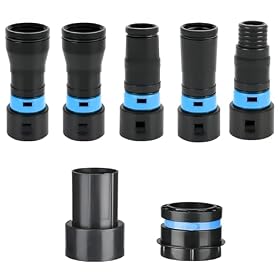
Tool ports are not standardized across every brand or tool type. A hose that is too large may not seal, while a narrow hose can clog more easily with chips. Before buying, check the vacuum hose diameter and whether the package includes the adapters needed for your tools.
For fine dust, a shorter hose with fewer bends generally makes it easier to maintain airflow. A long, narrow, or kinked hose can reduce collection performance even when the vacuum motor is operating normally.
Product prices and availability are accurate as of the date/time indicated and are subject to change. Any price and availability information displayed on Amazon.com at the time of purchase will apply to the purchase of this product.
Choose a backpack vacuum for mobile cleanup
A backpack vacuum is useful when the main task is moving through a building and collecting dry debris from floors, stairs, corners, shelves, or overhead areas. It avoids dragging a canister around obstacles and can be convenient for punch-list work, remodeling cleanup, and maintenance.
A backpack model may be the better choice when:
You move frequently between rooms or floors
Electrical outlets are scarce or cords create a trip hazard
You need both hands available while walking between cleanup areas
The debris is mostly loose, dry material rather than dust created at a tool
The vacuum must fit into narrow or crowded spaces
The tradeoff is that the vacuum's weight, straps, heat, noise, and exhaust are close to your body. A model that looks compact can become uncomfortable if the harness does not adjust properly or the filters clog quickly. Check the loaded weight, not just the empty product weight, and make sure the harness fits the people who will operate it.
A backpack vacuum may not replace source extraction
Carrying a backpack vacuum near a cutting or sanding operation does not capture dust as effectively as a hose connected directly to the tool. If the work creates airborne fine dust, use source capture whenever practical, along with the required respiratory and other protective equipment.
Some backpack vacuums may accept accessories or hoses, but compatibility and filtration vary. Do not assume that a wearable vacuum is suitable for a specific dust hazard just because it has a high-wattage motor or strong airflow claim.
Product prices and availability are accurate as of the date/time indicated and are subject to change. Any price and availability information displayed on Amazon.com at the time of purchase will apply to the purchase of this product.
Filtration matters more than the machine's size
Fine jobsite dust can pass through an unsuitable filter or escape around the filter, lid, hose, or collection bag. When comparing machines, identify the filter type and the manufacturer's stated application rather than relying only on motor power.
Consider:
Fine-dust or HEPA filtration: Useful when the application calls for improved capture of small particles, but only when the entire vacuum system is compatible and properly sealed.
Disposable collection bags: Often make emptying cleaner and can help protect the main filter. They must match the vacuum and the material being collected.
Washable filters: Convenient for some wet-dry vacuums, but they must be cleaned and completely dried according to the instructions before reuse.
Automatic or manual filter cleaning: Can help maintain airflow, but filter-cleaning pulses may disturb settled dust. Use them where the manufacturer permits and avoid releasing dust into occupied areas.
Never use a paper or standard dry filter for wet pickup unless the manufacturer specifically permits it. Remove or change filters as directed before switching between wet and dry operation.
Product prices and availability are accurate as of the date/time indicated and are subject to change. Any price and availability information displayed on Amazon.com at the time of purchase will apply to the purchase of this product.
Corded versus battery-powered operation
A corded small shop vac is often the practical choice for a fixed workstation or a long cutting session. It can run continuously without waiting for a battery, but the cord must be managed so it cannot contact a blade, hot surface, water, or a walkway.
A battery-powered shop vac or backpack vacuum is easier to move and may be more convenient in unfinished buildings. Runtime depends on the battery, power setting, filter condition, hose restriction, and how often the vacuum cycles. Check the manufacturer's runtime information for the operating mode you expect to use; a low-power estimate may not represent tool-connected extraction.
For a full workday, account for spare batteries, charging access, and the additional weight of the battery pack. A cord-free vacuum is not automatically the most efficient option if it must be stopped frequently to recharge.
Which vacuum is better for different jobs?
Cutting, sanding, or routing
Choose a small shop vac or dust extractor that can connect securely to the tool and use the appropriate fine-dust filter. A backpack vacuum is usually a poor substitute for direct source capture.
General remodeling cleanup
A small shop vac is more versatile if you need to collect chips, sawdust, and occasional wet spills. A backpack vacuum can be faster for dry floor and stair cleanup when mobility matters more than capacity.
Stairs and multi-level buildings
A backpack vacuum avoids dragging a canister up stairs. A compact cordless shop vac is another option if you need more flexible hose and tool connections.
Tight rooms and punch-list work
A backpack vacuum can maneuver easily, but check exhaust direction and filtration before using it around settled fine dust. A small shop vac with a short hose may be better when you need to collect debris into a larger container.
Concrete, drywall, or masonry dust
Use equipment, filters, bags, and work practices specifically approved for the dust involved. Fine mineral dust can quickly load an ordinary filter and may create a serious respiratory hazard. Follow applicable workplace requirements and the vacuum manufacturer's instructions; when the hazard is significant, consult a qualified safety professional.
How to make either option collect dust better
Install the correct filter and collection bag before starting.
Inspect the filter for damage, heavy loading, or a poor seal.
Check that the lid, drum, bag collar, and hose connections are fully seated.
Keep the hose as short and straight as practical.
Use the tool's dust port and guard correctly instead of relying on nearby suction.
Empty the drum or replace the bag before airflow drops substantially.
Clean filters outdoors or in a controlled area using the method specified by the manufacturer.
Wear appropriate eye, skin, and respiratory protection for the material being handled.
Bottom line
Choose a small shop vac if your priority is connecting to power tools, collecting a mix of chips and dust, or working for extended periods near a bench or saw. Choose a backpack vacuum if your priority is carrying the vacuum through rooms, up stairs, and around obstacles for general dry cleanup.
If the job creates hazardous or very fine dust, base the decision on the complete filtration and source-capture system—not on portability or motor size alone. When neither machine provides a secure tool connection and suitable filtration, a purpose-built dust extractor is the more appropriate next step.
FAQ
Can a backpack vacuum be used with power tools?
Sometimes, but compatibility varies and many backpack vacuums are intended for general dry cleanup rather than source extraction. Check the manufacturer's approved accessories, hose connection, filtration rating, and intended dust applications before connecting one to a power tool.
Is a small shop vac good for sawdust?
Yes, provided it has the correct dry filter, a properly sealed hose and lid, and enough airflow for the tool. Use a fine-dust filter or compatible collection bag when appropriate, and empty or clean the system before airflow drops.
Does a shop vac remove fine drywall or concrete dust?
Only a properly configured vacuum rated for that type of fine dust should be used. An ordinary wet-dry vacuum can clog quickly or allow particles to escape. Follow the manufacturer's requirements and applicable workplace safety rules.
Which is quieter, a small shop vac or a backpack vacuum?
Neither type is consistently quieter. Noise varies by motor, enclosure, airflow, filter condition, and operating mode. Because a backpack vacuum sits close to the operator, its perceived noise and comfort are especially important; use hearing protection when required.
When should I replace the vacuum instead of buying another filter?
Consider replacement when the drum, lid, hose connection, or motor housing is damaged; compatible filters and bags are no longer available; the vacuum repeatedly loses suction after proper maintenance; or the machine is not suitable for the dust hazard. Do not continue using a unit that shows damaged insulation, overheating, burning odor, or other electrical problems.