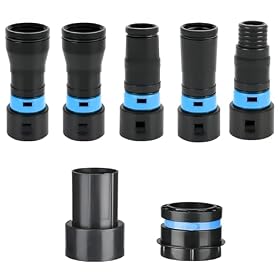
A tool-triggered shop vac starts and stops with a connected power tool, while a regular-switch model requires manual control. The better choice depends on your tools, workflow, outlet setup, and tolerance for extra noise or delay.
Tool-triggered shop vac versus regular switch
A tool-triggered shop vac turns on and off automatically when a connected power tool starts or stops. A regular-switch shop vac stays under manual control. Choose a tool-triggered model for dust collection during sawing, sanding, routing, or drilling; choose a regular-switch model when you want simpler operation, broader flexibility, or lower setup complexity.
How the two switch types work
Tool-triggered shop vac
A tool-triggered vacuum has a switched electrical outlet for a corded power tool. When the tool draws power, the vacuum starts. When the tool stops, the vacuum shuts off after any delay built into the design, if applicable.
This arrangement lets the vacuum follow the tool without requiring you to reach for a separate switch. It is most useful when the vacuum hose connects directly to a dust port and both hands are occupied with the workpiece or tool.
The vacuum’s tool outlet has a maximum electrical rating. Check the vacuum’s instructions and the power tool’s requirements before connecting anything. Do not exceed the outlet’s rated load, and do not use the outlet for equipment the manufacturer does not permit.
Regular-switch shop vac
A regular-switch model is started and stopped with its own switch. It may still collect dust effectively, but it does not know when a connected tool is running.
You can leave the vacuum running while using a power tool, switch it on only when needed, or operate it independently for wet pickup, general cleanup, and attachments. This makes the setup straightforward, but it adds a manual step and may leave the vacuum running between cuts or passes.
Tool-triggered versus regular switch: key differences
Product prices and availability are accurate as of the date/time indicated and are subject to change. Any price and availability information displayed on Amazon.com at the time of purchase will apply to the purchase of this product.
When a tool-triggered shop vac is the better choice
A tool-triggered model is usually worth considering if you frequently use a corded tool with dust collection. It can help in these situations:
Table saw, miter saw, or circular saw work: The vacuum follows the tool instead of running continuously.
Sanding: Automatic operation makes it easier to focus on the work surface.
Routing: The vacuum can start when the router starts, provided the hose and dust port are compatible.
Small-shop workflows: Automatic switching reduces trips to the vacuum.
Shared outlets: The tool and vacuum can use one coordinated connection, subject to the manufacturer’s electrical limits.
The automatic feature does not replace proper dust control. Use the correct hose, adapter, filter, and collection setup for the material. Fine dust can require a filter specifically intended for that type of debris.
Product prices and availability are accurate as of the date/time indicated and are subject to change. Any price and availability information displayed on Amazon.com at the time of purchase will apply to the purchase of this product.
When a regular switch is the better choice
A regular-switch model may be the more practical option when you use the vacuum for several unrelated jobs, including:
Wet pickup
Car or garage cleanup
Debris collection with floor nozzles
Tools that do not have a suitable dust port
Battery-powered tools
Long cleaning sessions where automatic switching provides little benefit
Manual control can also be preferable if you do not want the vacuum outlet to carry the connected tool’s load. It avoids questions about outlet compatibility and lets you run the vacuum independently.
Product prices and availability are accurate as of the date/time indicated and are subject to change. Any price and availability information displayed on Amazon.com at the time of purchase will apply to the purchase of this product.
Important buying specifications
Switched-outlet rating
On a tool-triggered shop vac, check the maximum load for the tool outlet. The rating may be expressed in amps or another electrical limit. Compare it with the connected tool’s nameplate or manufacturer documentation.
Do not assume that any corded tool can plug into any tool-triggered vacuum. High-draw tools may exceed the outlet’s rating, particularly during startup. If the load is unclear, ask the manufacturer or a qualified electrician rather than guessing.
Automatic shutoff delay
Some models continue running briefly after the tool stops. This can help clear residual dust from the hose, but the delay varies by design. If the timing matters to your workflow, check the product documentation instead of assuming all models behave alike.
Hose and dust-port compatibility
A switched outlet does not guarantee that the vacuum hose will fit your tool. Check the hose diameter, tool dust-port size, and whether an adapter is needed. A loose connection can leak dust and reduce collection performance.
Adapters should fit securely without blocking airflow. If an adapter reduces the opening substantially, the vacuum may collect less effectively even though the switch operates correctly.
Filter and collection system
For dry pickup, install the filter and collection bag or container specified for the vacuum and debris. For wet pickup, follow the manufacturer’s instructions about removing or changing dry-pickup components. Never improvise a wet/dry setup if the instructions do not permit it.
A tool-triggered switch only controls startup. It does not prevent a clogged filter, full bag, restricted hose, or leaking seal from reducing suction.
Cord and outlet arrangement
Consider where the vacuum and tool will sit. The tool cord must reach the vacuum’s outlet, and the vacuum’s power cord must reach an appropriate wall outlet or approved circuit. Avoid creating trip hazards, overloading a circuit, or using extension cords contrary to the manufacturer’s instructions.
Common drawbacks of tool-triggered switching
Automatic control is convenient, but it is not always the best fit.
Extra setup: The tool cord must pass through the vacuum’s switched outlet.
Electrical limits: The outlet may not support every corded tool.
Compatibility issues: Some tools, adapters, or unusual loads may not work as expected.
Added failure points: The outlet or control electronics can fail independently of the motor.
Less usefulness for cleanup: The feature provides little advantage when the vacuum is used mainly with floor attachments or for wet pickup.
A regular switch avoids most of these concerns, although it requires manual operation.
Troubleshooting a tool-triggered shop vac
If the vacuum does not start with the tool, check the simple causes first:
Confirm the vacuum’s own switch setting. Some units require a particular automatic or tool-triggered position rather than the normal manual position.
Check the power source. Make sure the vacuum is plugged into a live outlet and that a tripped breaker or ground-fault device has not interrupted power.
Check the tool cord and plug. Inspect for damage, confirm the plug is fully inserted, and verify that the tool itself runs normally when connected as directed.
Verify the outlet rating. A tool that exceeds the switched outlet’s limit may prevent proper operation or trip protection.
Inspect the hose and dust port. A clog usually will not stop the motor from starting, but it can make the system appear ineffective. Clear the hose and check the adapter fit.
Check the filter, bag, and drum. A full container or heavily loaded filter can reduce airflow and may activate an overload or protection feature on some models.
Look for overheating. Unplug the vacuum and allow it to cool if the motor stopped during use. Follow the reset procedure in the manual if one is provided.
Unplug the vacuum before clearing blockages, changing filters, or inspecting internal components. If the vacuum trips protection repeatedly, smells hot, shows damaged wiring, or will not run from a known-good outlet, stop using it and follow the manufacturer’s service guidance. Electrical repairs should be handled by a qualified professional when they are beyond the instructions.
Which should you choose?
Choose a tool-triggered shop vac if you mainly collect dust from corded power tools and value automatic starting and stopping. Confirm the switched-outlet rating, hose compatibility, filter requirements, and available electrical circuit before buying.
Choose a regular-switch shop vac if you want one vacuum for general cleanup, wet pickup, battery tools, and occasional dust collection. It is also the simpler choice when you do not need automatic operation or when your tools may exceed the switched outlet’s rating.
For many workshops, the deciding factor is not suction alone. It is whether the vacuum’s switching system, hose connection, collection method, and electrical limits match the way you actually work.
FAQ
Can I use a battery-powered tool with a tool-triggered shop vac?
Usually not through the vacuum’s switched outlet, because a battery-powered tool does not draw operating power from that outlet. You can generally run the vacuum manually if the hose and dust port are compatible, subject to the manufacturer’s instructions.
Does a tool-triggered shop vac collect more dust than a regular-switch model?
Not automatically. Dust collection depends on airflow, hose fit, tool dust-port design, filter condition, seals, and the collection setup. The trigger mainly changes how the vacuum starts and stops.
Can a tool-triggered shop vac power any corded tool?
No. The vacuum’s switched outlet has a specified maximum load. Check the outlet rating against the tool’s electrical requirements, including possible startup demand, and follow the manufacturer’s instructions.
Why does my tool-triggered shop vac keep running after the tool stops?
Some vacuums include a short run-on delay to clear dust from the hose. If the vacuum continues running unusually long, check the switch setting and manual. A control fault may require manufacturer service.