CFM measures how much air a shop vac moves, while inches of water lift measures how strongly it can pull against resistance. Learn which specification matters for your cleanup job and how to compare models fairly.
CFM and inches of water lift describe two different parts of shop vac performance. CFM measures airflow—how much air the vacuum moves. Inches of water lift measures suction pressure—how strongly it pulls when airflow is restricted. For loose dry debris and larger cleanup areas, CFM is often more useful. For liquids, long hoses, small openings, and heavier material, water lift becomes more important.
Neither number tells the whole story by itself. A useful comparison also considers hose diameter, filter condition, tank design, attachments, and whether the manufacturer measured performance at the nozzle or under ideal laboratory conditions.
What CFM means on a shop vac
CFM stands for cubic feet per minute. It describes the volume of air a shop vac can move in a minute, usually under a specified test condition.
Higher airflow can help a vacuum:
Move loose sawdust and lightweight debris quickly
Clean a larger area efficiently
Maintain pickup through a wide floor nozzle
Collect dust when the hose and attachment do not create much restriction
CFM is especially relevant when you are clearing open floors, workbenches, vehicles, or large amounts of light debris. A wide nozzle and larger hose can let the vacuum take advantage of higher airflow.
However, a listed CFM figure may not represent the airflow you will get during normal use. Some manufacturers publish airflow measured without a hose or filter, while others publish a more practical figure at the end of the hose. Check the specification details before comparing numbers from different brands.
Shop vacs with strong airflow for general debris cleanup
Product prices and availability are accurate as of the date/time indicated and are subject to change. Any price and availability information displayed on Amazon.com at the time of purchase will apply to the purchase of this product.
What inches of water lift means
Inches of water lift—also called sealed suction or static pressure—measures how much pressure the vacuum can create when airflow is heavily restricted. The measurement comes from how high the vacuum can pull a column of water, expressed in inches.
Maintain suction when using restrictive attachments
Lift heavier or denser debris from a surface
Water lift is not the same as suction at every operating condition. A vacuum may produce strong sealed suction but move less air once a hose, filter, nozzle, or tool is connected. Conversely, a model with high CFM may move air quickly but lose effectiveness when the pickup path is narrow or restricted.
Shop vacs suited to restricted pickup and liquid cleanup
Product prices and availability are accurate as of the date/time indicated and are subject to change. Any price and availability information displayed on Amazon.com at the time of purchase will apply to the purchase of this product.
CFM versus water lift at a glance
Specification
What it describes
Usually matters most for
CFM
Volume of air moved
Loose debris, broad nozzles, larger areas
Inches of water lift
Pulling force against restriction
Liquids, narrow openings, long hoses, dense debris
Hose and nozzle size
How freely air and debris can travel
Matching the vacuum to the job
Filter condition
How much airflow is restricted during use
Consistent performance and dust pickup
The two measurements are related, but they are not interchangeable. A shop vac does not operate at its maximum CFM and maximum water lift at the same time. As restriction increases, airflow generally falls while the vacuum works closer to its maximum pressure.
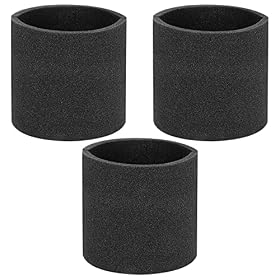
Replacement filters for maintaining shop vac airflow
Product prices and availability are accurate as of the date/time indicated and are subject to change. Any price and availability information displayed on Amazon.com at the time of purchase will apply to the purchase of this product.
Which specification should you prioritize?
For sawdust and loose dry debris
Look for strong airflow, a suitable hose diameter, and a filter designed for the material you are collecting. CFM is often the more useful starting point for sweeping up sawdust, wood chips, leaves, and general workshop debris.
A high CFM rating will not help much if a clogged filter, undersized hose, or blocked attachment prevents air from moving. Keep the filter clean and use the correct filter type for the debris.
For water and other liquids
Water lift becomes more important because the vacuum must pull liquid through the hose and into the tank. A wide, unobstructed hose and a properly installed wet pickup setup also matter.
Before vacuuming liquids, remove or change the dry filter and paper collection bag if the manufacturer instructs you to do so. Some shop vacs use a float or automatic shutoff to prevent liquid from reaching the motor. Stop immediately if the float activates or the machine begins making an unusual sound.
For long hoses or narrow attachments
Choose a vacuum with good water lift and a hose system that matches the job. A long hose, small crevice tool, clogged wand, or restrictive power-tool port can reduce airflow substantially.
A larger hose often favors airflow and reduces clogging. A smaller hose may be easier to handle or fit a tool port, but it creates more restriction and can limit pickup of larger debris.
For fine dust and power-tool extraction
Do not choose by CFM or water lift alone. Fine dust places heavy demands on filtration, sealing, and filter loading. Look for a compatible fine-dust filter, effective seals, and a tool-trigger or dust-extraction feature if needed. Verify that the vacuum is suitable for the specific dust and tool before use.
A vacuum that starts with strong airflow can lose much of it as a fine filter loads. Cleaning or replacing the filter according to the manual may matter more than a small difference in advertised CFM.
Why advertised shop vac numbers can be misleading
Testing conditions differ
Manufacturers may measure CFM and water lift using different methods and locations. A CFM number measured at the motor inlet is not directly comparable with one measured at the end of a hose.
When comparing models, look for language such as:
Airflow at the end of the hose
Sealed suction
Static pressure
Peak horsepower
Motor watts or amps
These figures describe different things. Peak horsepower is not a direct replacement for CFM or water lift and should not be used alone to predict pickup performance.
Filters and bags change airflow
A clean filter allows more airflow than a loaded one. A collection bag can also restrict air as it fills, depending on the vacuum design and the material being collected.
If performance drops, check the filter and bag before assuming the motor has failed. Use only the filter and bag types approved for your vacuum and the material you are collecting.
Hose diameter changes the result
A vacuum's performance at the motor is not the same as performance at the end of a hose. Long, narrow, kinked, or partially blocked hoses reduce usable airflow. Adapters and tool ports can create additional restriction.
For general cleanup, a wider hose is often better for moving bulky debris. For a power tool, the correct smaller adapter may be necessary even though it reduces airflow.
How to compare two shop vacs fairly
Use this checklist rather than comparing one headline number:
Compare the same type of measurement. Do not compare a hose-end CFM figure with an inlet CFM figure as if they were equivalent.
Check the water-lift rating. This helps indicate how the vacuum handles restriction, liquids, and narrow pickup paths.
Check hose diameter and length. A vacuum with a larger hose may perform better for bulky debris even if its headline CFM is similar.
Review filter options. Fine-dust filtration and replacement filter availability can affect long-term performance.
Consider the job. General debris, liquid pickup, tool extraction, and fine dust have different requirements.
Check wet/dry setup instructions. The correct filter, bag, float, and drain arrangement vary by design.
Look at seals and attachments. Air leaks at the lid, hose, or adapter can reduce real-world pickup.
If one vacuum has higher CFM and another has higher water lift, neither is automatically better. The better choice depends on whether your work is mostly open-airflow cleanup or restricted pickup.
A practical rule for choosing
Choose higher CFM when your priority is moving a large volume of loose, lightweight debris through a relatively open hose and nozzle.
Choose higher water lift when your priority is pulling liquids, dealing with long or narrow pickup paths, or maintaining suction against resistance.
For mixed workshop use, look for a balanced combination rather than maximizing one specification. A reliable filter system, appropriately sized hose, good seals, and readily available replacement parts can have as much practical value as a modest difference in the published ratings.
If your shop vac performs below expectations
Before replacing the vacuum, make these checks in order:
Inspect the filter and bag. Clean or replace a clogged filter. Remove a full bag or collection container if the manual calls for it.
Check the hose and attachments. Disconnect each section and look for a blockage, kink, packed debris, or a stuck flap in the hose.
Check for air leaks. Make sure the lid, hose connection, tank drain, and adapters are seated and sealed.
Confirm the setup. Use the correct filter for wet or dry pickup, install the float or wet-pickup components correctly, and avoid an unapproved adapter.
Check the tank or bag capacity. A full container can restrict airflow or activate an automatic shutoff.
Inspect the motor and electrical supply last. Unusual odor, sparking, repeated breaker trips, overheating, or a motor that will not start requires stopping use. Disconnect power and follow the manufacturer’s service guidance; have electrical repairs handled by a qualified professional.
If the hose, filter, seal, or attachment is damaged, replacing that part is usually more sensible than replacing the entire vacuum. Consider a replacement unit when the motor is failing, the tank or lid no longer seals, compatible parts are unavailable, or repair costs approach the value of the vacuum.
FAQ
Is higher CFM or higher water lift better for a shop vac?
Neither is always better. Higher CFM generally helps move loose debris through an open hose and nozzle, while higher water lift helps with liquids, narrow openings, long hoses, and other restrictive conditions.
Can I compare shop vac CFM ratings from different brands?
Only with caution. Check where and how each manufacturer measured airflow. A CFM rating measured at the motor inlet may be much higher than one measured at the end of the hose.
Does water lift determine how much liquid a shop vac can hold?
No. Water lift describes pulling pressure, not tank capacity. Tank size determines how much liquid the vacuum can collect before it must be emptied or shuts off.
Does a larger shop vac hose increase suction?
A larger hose can reduce restriction and help move bulky debris, but it does not automatically increase the vacuum's motor suction. The best hose size depends on the vacuum and the attachment or tool being used.
Why did my shop vac lose suction even though the motor still runs?
The most common causes are a clogged filter, full bag or tank, blocked hose, leaking lid or hose connection, incorrect wet/dry setup, or a restricted attachment. Check those items before assuming the motor has failed.