12 Gallon Shop Vac for a Workshop: What to Look For
A 12 gallon shop vac is a practical middle-ground size for many workshops: large enough for routine sawdust and debris, but easier to store than a full-size unit. Here is how to decide if it fits your tools and cleanup habits.
A 12 gallon shop vac for a workshop is a useful middle-ground choice for many home and small professional workspaces. It provides more collection capacity than a compact portable vacuum without the storage demands of a much larger unit. The right choice depends less on the gallon number alone and more on the dust, chips, liquids, tools, and hose length you expect it to handle.
Is a 12 gallon shop vac the right size?
A 12 gallon tank generally makes sense when you want to:
Clean sawdust, wood chips, dirt, and general workshop debris without emptying the tank frequently
Vacuum vehicles, garage floors, workbenches, and larger cleanup areas
Collect occasional spills or standing water
Use a longer hose or several attachments
Keep a single general-purpose vacuum instead of separate compact and large units
It may be more capacity than necessary for a small bench area or quick tool cleanup. A smaller shop vac can be easier to carry and store, while a larger unit may be preferable for repeated heavy debris collection or extensive wet cleanup.
Tank capacity is not the same as suction performance. A 12 gallon vacuum can hold more material, but airflow, sealed suction, filtration, hose design, and tool compatibility affect how effectively it picks up debris.
Specifications that matter in a workshop
Filtration and dust type
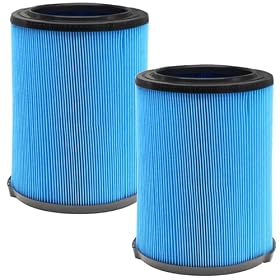
The filter is one of the most important parts of a workshop vacuum. A standard filter may be suitable for general dirt and larger dry debris, but fine sanding dust can load it quickly and reduce airflow. Check the manufacturer's guidance for the filter type and the materials it is intended to collect.
If you work with fine wood dust, drywall dust, concrete dust, or other airborne particulates, look for a compatible fine-dust filter and, when appropriate, a collection bag or dust-separator setup. A shop vac filter is not automatically a substitute for a certified dust extractor or respiratory protection. Follow the tool, vacuum, and material manufacturer's safety instructions.
For wet pickup, the vacuum normally needs to be configured as instructed by its manufacturer. Some dry filters or collection bags must be removed before wet use. Do not assume that a vacuum is safe for wet pickup simply because it has a large tank.
Hose diameter and length
Hose size affects both reach and the type of debris the vacuum can handle. A narrower hose is easier to maneuver and may suit tool ports and small cleanup jobs. A wider hose is generally more appropriate for bulky chips and larger debris, provided it fits the vacuum and attachment system.
A long hose can reduce the need to move a 12 gallon unit around the workshop, but excessive length or restrictive fittings can reduce practical airflow. Check the hose diameter, connection style, and included adapters before buying if you plan to connect the vacuum to a table saw, miter saw, sander, router, or other dust-producing tool.
Tool activation and electrical features
Some workshop vacuums include an outlet or automatic tool-start feature that switches the vacuum on when a connected power tool starts. This can make tool cleanup more convenient, but it is not universal. Verify the outlet's electrical limits and compatibility with your tools rather than assuming it can support any high-draw equipment.
Use grounded outlets and properly rated extension cords when allowed by the manufacturer. Do not bypass electrical safety features, use damaged cords, or connect equipment in a way that exceeds the circuit rating. If a workshop circuit trips repeatedly, stop using the setup and have the electrical issue assessed by a qualified professional.
Tank, bag, and emptying design
A 12 gallon tank gives you useful room for debris, but the effective working capacity is reduced by the filter, bag, and the need to avoid blocking airflow. A full tank, packed filter, or overfilled bag can make the vacuum perform poorly.
Look for features that make emptying manageable, such as a stable tank, accessible latches, a drain for wet contents, and a bag system that matches your cleanup needs. A drain can be especially useful if you expect to collect water, but the vacuum still needs to be configured for wet pickup according to its instructions.
Mobility and storage
A 12 gallon vacuum is often moved on casters or wheels, but workshop floors, cords, and hose storage can affect how convenient it is in practice. Consider:
Whether the wheels roll smoothly over your floor
Whether the handle gives you enough control when pulling the unit
How the hose and power cord are stored
Whether attachments have dedicated storage
Whether the vacuum fits beneath a bench or inside a cabinet
Whether the tank is stable when the hose is pulled sideways
A slightly less powerful vacuum that is easy to position and store may be more useful than a larger unit that remains parked because it is awkward to move.
Product prices and availability are accurate as of the date/time indicated and are subject to change. Any price and availability information displayed on Amazon.com at the time of purchase will apply to the purchase of this product.
Choosing a 12 gallon shop vac by workshop task
General cleanup
For sawdust, dirt, small chips, and occasional spills, prioritize a washable or replaceable filter, a practical hose, sturdy wheels, and easy emptying. You may not need specialized tool-trigger features.
Benchtop and handheld power tools
For sanders, routers, and other tools that produce fine dust, filtration and port compatibility matter more than tank size. Confirm that the hose or adapter fits the tool and that the filter is designed for the dust involved. A pre-separator can help reduce the amount of material reaching the main filter, but it does not eliminate the need for proper filtration.
Table saws and larger woodworking tools
Large chips can overwhelm a narrow hose or restrictive adapter. Check the dust port size on each tool and choose a hose system that provides a workable connection. For tools that generate substantial fine dust, a shop vac may not provide the same dust-control performance as a purpose-built dust extractor or larger dust-collection system.
Wet cleanup
If water pickup is part of the plan, confirm that the model is rated for wet use and learn the required filter and bag configuration. Keep the float or automatic shutoff area clear, stop before the tank reaches its limit, and empty and dry the tank afterward to reduce odors and corrosion.
What should be included?
A basic 12 gallon shop vac may include a hose and general-purpose floor or utility attachments, but the exact package varies. Before buying, verify whether it includes the accessories you actually need:
Crevice tool for narrow spaces
Floor nozzle for dry debris
Wet pickup nozzle if supported
Tool adapters for power-tool ports
Extension wands for floors and vehicle interiors
Fine-dust filter or compatible replacement filter
Collection bags, if you prefer bagged dry pickup
Buying a vacuum with the right connection system can be more useful than choosing a unit with a larger accessory count. Replacement hoses and adapters are available for many systems, but compatibility is not universal.
A simple buying checklist
Before choosing a 12 gallon model, confirm these points in the product documentation:
Dry and wet capability: Is it rated for both, and what filter configuration does each mode require?
Filter availability: Can you buy the correct replacement filter, and is there an option for fine dust?
Hose connection: Does the hose fit your tools or can the included adapters connect to them?
Electrical features: Is a tool-trigger outlet included, and what are its limits?
Mobility: Can you move and store the vacuum comfortably in your workshop?
Emptying: Is the tank, bag, and drain arrangement suitable for the debris you collect?
Noise and operating environment: Will its sound level and cord length work in your space? Check the manufacturer's stated information where available.
Replacement parts: Are hoses, filters, bags, latches, and other wear parts still available?
Maintenance that protects performance
A 12 gallon shop vac should not lose suction simply because it is large. When performance drops, check the filter first, then the hose and attachments. Fine dust can clog filtration quickly, while chips can lodge in bends or tool adapters. Inspect the lid gasket and hose connections for air leaks, and make sure the tank or collection bag is not full.
Use the correct filter for the material and cleaning method. Clean reusable filters only as instructed; aggressive washing, striking, or compressed-air cleaning can damage some filter media. Empty wet contents promptly, rinse and dry the tank when appropriate, and keep the float mechanism clear.
If the motor smells hot, sparks, trips a breaker, makes an unusual noise, or will not start, unplug the vacuum and stop troubleshooting the electrical components yourself. Check the cord and outlet only for obvious damage or loss of power, then consult the manual or a qualified service professional. If a replacement motor or major electrical part costs close to a suitable replacement unit, replacing the vacuum may be the more practical choice.
Bottom line
A 12 gallon shop vac is a sensible workshop size when you need general-purpose dry and wet cleanup, moderate capacity, and reasonable mobility. Choose based on filtration, hose and tool compatibility, wet-use requirements, emptying design, and replacement-part availability—not capacity alone. For heavy fine-dust collection or continuous production work, compare the vacuum's dust-control capabilities with a dedicated dust extractor or dust-collection system before buying.
FAQ
Is a 12 gallon shop vac big enough for a workshop?
For many home workshops and light professional workspaces, yes. It offers useful capacity for sawdust, chips, dirt, vehicle cleanup, and occasional wet pickup. A larger dust-collection system may be more suitable for continuous heavy debris or fine-dust collection.
Can a 12 gallon shop vac collect fine wood dust?
It can collect fine wood dust when used with a compatible fine-dust filter, suitable hose connections, and any required collection bag or separator. Check the manufacturer's instructions, and do not treat a general shop vac as equivalent to a certified dust extractor or complete respiratory-protection system.
Can I use a 12 gallon shop vac for both wet and dry debris?
Many shop vacuums support both, but the required filter or bag configuration may differ. Confirm that the specific unit is rated for wet pickup, remove or change components as directed, and empty and dry the tank after wet use.
Why does my 12 gallon shop vac have weak suction?
Check the filter, collection bag or tank, hose, attachments, and lid and hose seals in that order. A clogged filter, blocked hose, full tank, incorrect wet/dry setup, or air leak is more common than a motor failure. Unusual motor noise, burning smells, sparks, or repeated breaker trips require stopping use and consulting the manual or a qualified professional.
Does a bigger shop vac have stronger suction?
Not necessarily. Tank capacity describes how much material the container can hold, while pickup performance depends on airflow, sealed suction, filtration, hose restrictions, and the tool connection. Compare the specifications and intended use rather than assuming a larger tank means stronger performance.