For a wet floor, use a shop vac to pick up standing water and a shop fan to help the remaining moisture evaporate. The right order depends on the floor and the amount of water.
The short answer
A shop vac and a shop fan do different jobs. A wet-dry shop vac can pick up puddles and extract surface water when it is set up for wet pickup. A fan moves air across the floor to speed evaporation, but it does not remove standing water. For many wet floors, use the vac first, then run a fan if the flooring can safely tolerate it.
Do not assume every shop vac can pick up liquids in its current configuration. Follow the vacuum manual for the correct filter, attachments, and wet-use limits. Keep electrical connections out of wet areas, and stop if a cord, plug, or outlet is wet or damaged.
What each tool does
Shop vac: removes liquid water
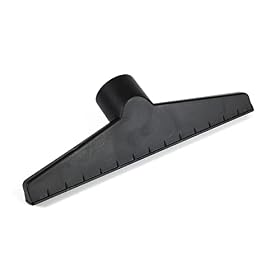
A wet-dry shop vac draws liquid into its collection drum. It is useful for puddles, leaks, and water left on hard surfaces or in materials the manufacturer says the vacuum can handle. A suitable floor nozzle or squeegee attachment can make pickup easier across a broad area.
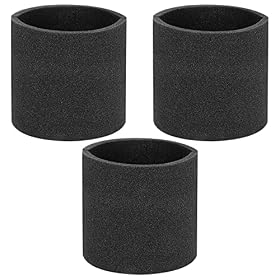
Before wet pickup, check the manual and set up the vacuum exactly as directed. Some dry-use filters or bags must be removed or changed for wet pickup; the requirements vary by model. Empty the drum when needed and never exceed its fill limit.
Shop fan: moves air to aid evaporation
A shop fan circulates air over the floor. That can help surface moisture evaporate, especially when the room is also ventilated or dehumidified. A fan will not collect puddles or remove water trapped beneath flooring, padding, or other materials.
Use airflow only when appropriate for the floor and the water involved. If the water may be contaminated, avoid spreading droplets or particles into other areas; follow local cleanup guidance or contact a remediation professional.
Product prices and availability are accurate as of the date/time indicated and are subject to change. Any price and availability information displayed on Amazon.com at the time of purchase will apply to the purchase of this product.
Which should you use for your floor?
Puddles on tile, concrete, or another water-tolerant hard surface: Pick up the bulk water with a wet-dry shop vac, then use airflow if the surface and room conditions allow.
A small amount of surface dampness: A fan may be enough if there is no standing water and the floor manufacturer permits it.
Carpet or rugs: A wet-capable shop vac may remove some surface water, but do not assume it can dry the carpet or padding completely. Persistent wetness, a large spill, or water under the carpet may require professional drying.
Wood, laminate, or other moisture-sensitive flooring: Remove visible water promptly, but follow the flooring maker’s cleanup instructions. Water can seep into seams or underneath the floor, where a fan cannot reach it. Get professional help if water has entered the floor assembly or the flooring is swelling or buckling.
Contaminated or unknown water: Do not treat it like a routine spill. Avoid using equipment in a way that could spread contamination, and follow appropriate cleanup guidance.
Product prices and availability are accurate as of the date/time indicated and are subject to change. Any price and availability information displayed on Amazon.com at the time of purchase will apply to the purchase of this product.
A safe, practical drying sequence
Address the source. Stop the leak or spill if you can do so safely. If water is near outlets, cords, or electrical equipment, do not step into it or handle wet electrical connections. Have the area made safe by a qualified person.
Check the floor and water. Confirm the floor can tolerate wet cleanup and that the liquid is suitable for your vacuum. Do not vacuum flammable liquids or unknown chemicals.
Set up the shop vac for wet pickup. Follow the model’s instructions for filters, bags, tank capacity, and attachments. Disconnect power before changing filters or configuring the vacuum.
Remove standing water. Pick up liquid in manageable passes and empty the drum as needed, following the manual.
Help remaining moisture dry. Once puddles are gone, use a fan only if appropriate for the surface and spill. Ventilation or a dehumidifier may help in an enclosed room.
Check for moisture that remains. If the floor stays wet, smells musty, or shows swelling or other damage, water may have reached layers a shop vac and fan cannot dry. Contact a flooring or water-damage professional.
Bottom line
Use a wet-dry shop vac when the problem is standing water that needs to be physically removed. Use a shop fan to help appropriate surfaces dry after the bulk water is gone. For moisture-sensitive floors, contaminated water, or water that has reached beneath the surface, follow flooring guidance and seek professional help rather than relying on airflow alone.
FAQ
Can a shop fan dry a floor by itself?
It can help surface moisture evaporate, but it cannot pick up puddles or remove water trapped beneath flooring. Remove standing water first when it is safe and the floor permits wet cleanup.
Can I use a shop vac to pick up water?
Only if it is a wet-dry model and it is configured for wet pickup according to its manual. Check the filter, bag, tank limits, and attachment instructions before use.
Should I use a fan or shop vac on a wet wood floor?
Remove visible water promptly using a method permitted by the flooring manufacturer. Wood and similar floors can be damaged by water that reaches seams or the layers beneath, so get professional help if water has seeped underneath or the floor is swelling.
Is it safe to use a shop vac near a wet outlet?
Do not handle a wet outlet, plug, or cord, or operate equipment where electrical connections are wet. Keep clear and have the electrical hazard assessed by a qualified person.