The best shop vac for a garage is usually a compact wet-dry vacuum with a durable hose, a reusable filter, practical storage, and enough capacity for sawdust, dirt, water, and car-cleaning debris. Use this guide to choose the right setup for your space and workload.
A shop vac with a durable hose, useful attachments, and a filter matched to your debris is the best choice for most garages. A compact model is easier to store and maneuver, while a larger wet-dry vacuum makes more sense for frequent renovation work, vehicle detailing, flooding, or large amounts of sawdust.
The right choice depends less on the highest advertised horsepower and more on suction performance, filtration, hose size, capacity, noise, and how easily you can move and store the vacuum.
What to look for in a garage shop vac
Choose the tank size around your cleanup jobs
A small or mid-size tank is usually convenient for a typical home garage. It takes up less room, weighs less, and is easier to carry between the garage, driveway, and vehicle.
Choose a larger tank when you regularly:
Collect sawdust from woodworking
Clean up drywall or remodeling debris
Remove water from large areas
Detail multiple vehicles
Run the vacuum for extended periods
A larger tank does not automatically mean better cleaning. It adds weight and storage space, so avoid buying more capacity than your garage work requires.
Compare suction and airflow carefully
Shop vac specifications may list peak horsepower, sealed suction, airflow, or related measurements. These numbers describe different aspects of performance and should not be compared as if they were interchangeable.
Airflow helps move loose debris through the hose.
Sealed suction or water lift indicates pulling force when resistance is high.
Peak horsepower is a marketing-oriented electrical rating and is not a complete measure of cleaning performance.
For general garage cleanup, prioritize a model with a well-designed hose, secure connections, and a filter that remains relatively open as it loads with dust. A high advertised power figure cannot compensate for a restrictive filter or undersized hose.
Pay attention to hose diameter and length
A wider hose generally moves bulky debris more easily and is less likely to clog. A narrower hose can be easier to handle and may work better with small crevice tools or detail attachments.
A longer hose can reduce the need to carry the vacuum, but excessive length may be awkward to store and can reduce convenience if it becomes tangled. Check whether replacement hoses and adapters are available before buying, especially if you plan to connect the vacuum to power tools.
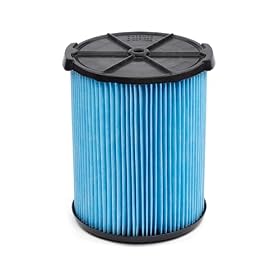
Match the filter to the material
Filter choice matters in a garage because the debris may include ordinary dirt, fine sawdust, drywall dust, ash, or liquid.
Use the filter specified for dry debris during normal cleanup.
Use a filter designed for fine dust when collecting small particles such as sanding dust, subject to the vacuum manufacturer's instructions.
Remove or change to the correct configuration before wet pickup if the manual requires it.
Do not assume a standard cartridge filter provides HEPA-level filtration.
Fine dust can load a filter quickly and reduce suction. If you frequently sand, cut drywall, or work with composite materials, look for a compatible fine-dust filter or dust-collection solution rather than relying on the standard filter.
Consider wet pickup and drain design
A wet-dry vacuum is useful for spilled water, clogged sinks, refrigerator leaks, and cleaning vehicle interiors. Confirm that the model is intended for liquid pickup and follow its instructions for filter removal or replacement.
A drain port can make emptying a larger tank easier. On smaller vacuums, removing the lid and carrying the tank may be simple enough. Never use a shop vac to collect flammable liquids, hot ash, or hazardous materials unless the manufacturer specifically permits it and the setup is appropriate.
Check storage and mobility
A garage vacuum is easier to use when the hose, power cord, wands, and floor tools have designated storage locations. Look for features such as:
Stable wheels or casters
A handle that is comfortable to lift
Onboard hose and cord storage
A flat or compact shape for shelf storage
A long enough cord for your workspace
Large switches that are easy to operate
Small casters may work well on smooth concrete but can struggle over thresholds, gravel, or clutter. If you regularly clean a driveway or unfinished area, wheel design and handle strength become more important.
Best shop vac configurations for common garage tasks
For routine car cleaning and dirt
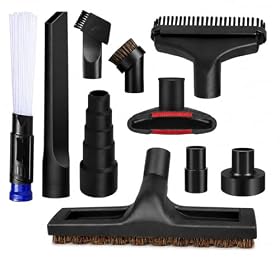
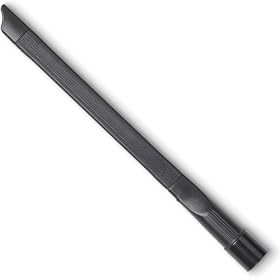
Choose a compact or mid-size wet-dry vacuum with a manageable hose, a crevice tool, and a brush or upholstery attachment. A narrow hose and small accessories may be more useful for seats, floor mats, dashboards, and tight spaces than a large construction-style hose.
If you clean vehicles often, confirm that the hose and attachments are long enough to reach the entire cabin without constantly moving the vacuum.
For woodworking and sawdust
Prioritize fine-dust filtration, a reliable hose connection, and compatibility with tool dust ports. Check the adapter sizes before buying; shop-vac hose and power-tool ports are not universally standardized.
A vacuum can collect chips and dust at the tool, but it does not replace appropriate dust-control practices. Use the filter and dust bags recommended by the manufacturer, keep ventilation in mind, and follow the tool maker's safety instructions.
For home repair and remodeling
A larger tank, durable hose, and strong wheels are useful for recurring drywall, drilling, and demolition cleanup. Consider a model with a filter-cleaning method or readily available replacement filters if you expect heavy fine-dust use.
Do not use an ordinary shop vac for asbestos, lead-contaminated dust, mold remediation, or other hazardous materials unless it is specifically rated and configured for that work. Those jobs may require specialized equipment and professional handling.
For occasional water cleanup
Choose a wet-dry model with a tank size you can safely carry or drain. Verify the wet-pickup procedure before the first spill: some vacuums require removing a dry filter, while others use a particular wet filter or float arrangement.
The float mechanism helps prevent liquid from reaching the motor, but it is not a reason to leave the vacuum unattended during wet pickup.
Product prices and availability are accurate as of the date/time indicated and are subject to change. Any price and availability information displayed on Amazon.com at the time of purchase will apply to the purchase of this product.
Is a larger shop vac better for a garage?
Not necessarily. A larger vacuum may offer more capacity and a longer runtime between emptying, but it also takes more space and can be harder to move.
A larger unit is worthwhile when you have frequent heavy debris, large liquid spills, or stationary dust-collection needs. For occasional car cleaning, household repairs, and general dirt, a smaller unit may be more convenient and more likely to be used.
Product prices and availability are accurate as of the date/time indicated and are subject to change. Any price and availability information displayed on Amazon.com at the time of purchase will apply to the purchase of this product.
Features that are useful but not essential
Some features can improve convenience, but they should not outweigh basic filtration, hose quality, and reliability.
Blower function: Useful for clearing leaves from a garage corner or drying some surfaces, but follow the manual and wear eye protection.
Power-tool outlet or automatic switching: Convenient for dust collection, provided the electrical load is within the stated limit.
Remote or wireless operation: Helpful in some setups but not necessary for ordinary cleanup.
Noise reduction: Valuable if the garage is near living areas or you clean for long periods.
Disposable collection bags: Convenient for fine dry dust and easier disposal, but they add recurring supply costs and must be compatible with the vacuum.
Avoid paying extra for a feature you will not use. A secure hose, suitable filter, and easy storage usually matter more in a home garage.
Product prices and availability are accurate as of the date/time indicated and are subject to change. Any price and availability information displayed on Amazon.com at the time of purchase will apply to the purchase of this product.
How to choose between two similar shop vacs
When specifications appear close, compare these details in order:
Filter availability: Can you buy the correct replacement filter or bag?
Hose and accessory compatibility: Are the size and adapters suitable for your tools and cleaning jobs?
Capacity and weight: Can you move and empty it comfortably?
Wet-pickup procedure: Is switching between wet and dry use straightforward?
Storage: Can the hose, cord, and tools stay with the vacuum?
Warranty and replacement parts: Are basic service items supported?
Noise and controls: Will you actually want to use it in your garage?
Only after these checks should you use advertised power figures as a tie-breaker.
Product prices and availability are accurate as of the date/time indicated and are subject to change. Any price and availability information displayed on Amazon.com at the time of purchase will apply to the purchase of this product.
Garage shop vac maintenance
Basic maintenance helps preserve suction and reduces motor strain:
Empty the tank before debris reaches the intake or float area.
Clean or replace the filter according to the manual.
Inspect the hose for cracks, crushed sections, and blockages.
Keep the intake and float mechanism free of debris.
Check that the lid gasket and hose connections are seated securely.
Let components dry after wet pickup before storing the vacuum.
Do not operate the vacuum without the filter configuration required for the material being collected.
Unplug the vacuum before clearing a blockage, changing filters, or inspecting internal parts. If the cord, plug, switch, or motor shows damage, stop using the vacuum and follow the manufacturer's service guidance or contact a qualified repair professional.
Bottom line
For most garages, the best shop vac is a mid-size wet-dry model with dependable dry and wet filtration, a durable hose, useful car and floor attachments, stable wheels, and convenient onboard storage. Choose a compact configuration for occasional cleanup and vehicle care; move up to a larger tank and stronger dust-collection setup for woodworking, remodeling, or frequent water removal.
Before buying, verify the filter system, hose diameter, accessory connections, replacement-part availability, and wet-pickup instructions. Those practical details usually have more effect on long-term usefulness than a headline power rating.
FAQ
What size shop vac is best for a garage?
A compact or mid-size wet-dry vacuum suits most home garages, vehicle cleaning, and occasional repairs. Choose a larger tank if you regularly collect large amounts of sawdust, remodeling debris, or water.
Can I use a shop vac to collect sawdust?
Yes, if the vacuum and filter are appropriate for dry fine dust. Use the recommended fine-dust filter or collection bag, check tool-port compatibility, and follow the vacuum and power-tool manufacturers' instructions.
Do I remove the filter for wet pickup?
It depends on the vacuum. Some models require removing a dry filter, while others specify a wet filter or a particular configuration. Follow the owner's manual rather than assuming all shop vacs are set up the same way.
Is peak horsepower the most important shop vac specification?
No. Peak horsepower does not fully describe cleaning performance. Consider airflow, suction, filter design, hose size, capacity, accessories, and how easily the vacuum can be maintained.
When should I replace a garage shop vac instead of repairing it?
Replacement is reasonable when the tank, lid, hose connections, or motor housing is damaged; compatible filters and parts are no longer available; or the repair cost and effort approach that of a suitable replacement. A clogged filter, hose, gasket, or worn accessory is usually worth replacing first.