A good shop vac for a 2-car garage should balance reach, capacity, filtration, maneuverability, and storage rather than simply offering the highest horsepower rating.
Shop vac for a 2-car garage
For a 2-car garage, look for a wet-dry shop vac with enough capacity for routine cleanup, a hose and power cord that reach across the workspace, a filter suited to the debris you collect, and wheels or a cart that make it easy to move. A very large unit can be inconvenient to store, while a compact model may require frequent emptying during vehicle cleaning, sawdust collection, or water pickup.
What size shop vac is right for a 2-car garage?
A medium-capacity shop vac is often the most practical starting point for a typical 2-car garage. The best capacity depends on how you use the space:
Light household and vehicle cleanup: A compact or mid-size drum is easier to carry and store.
Routine sawdust and renovation debris: Choose a larger drum and a hose designed for heavier debris.
Water pickup: Extra capacity reduces interruptions when collecting spills or pooled water.
Frequent cleanup: A larger canister means fewer stops to empty the tank, but it also takes up more storage space.
Capacity is not the same as suction. A larger tank holds more debris, but the vac still needs an appropriate motor, hose, filter, and airflow design for the work.
Features that matter most in a garage shop vac
Hose diameter and length
A longer hose can help you reach around vehicles without moving the vacuum repeatedly. However, very long hoses can reduce airflow if they are narrow, kinked, or poorly matched to the vacuum. A wider hose is generally more useful for chips, leaves, and coarse debris; a narrower hose can be easier to handle for car interiors and tight spaces.
Check whether the hose connects securely and whether the included attachments match its diameter. If you plan to use a longer replacement hose, confirm compatibility before buying.
Power cord and reach
A longer cord is useful in a garage where outlets may be limited. Consider the combined reach of the cord and hose, not either measurement alone. If you regularly use an extension cord, follow the vacuum manufacturer’s instructions and use a cord rated for the tool’s electrical requirements. Do not overload a circuit or use damaged cords.
Filter type and availability
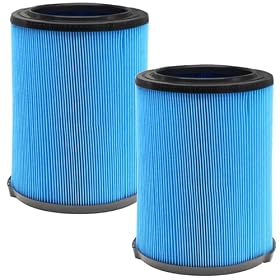
The filter affects both cleaning performance and maintenance. A standard cartridge filter may be suitable for many general-purpose jobs, while fine-dust filtration is more important for drywall dust, sanding residue, and other small particles.
For fine dust, make sure the vacuum is designed for that filter and that the filter can be replaced when clogged or damaged. A filter marketed for wet pickup may need to be removed or changed before dry pickup, depending on the manufacturer’s instructions. Never assume one filter configuration is correct for every type of debris.
If you collect hazardous dust, such as lead paint, asbestos, or certain construction materials, use equipment and filtration specifically approved for that hazard and follow applicable safety requirements. A general garage shop vac is not automatically suitable for hazardous-material cleanup.
Wet-dry capability
Wet-dry functionality is useful for spills, melting snow, clogged sinks, and water around vehicles. Before picking up liquid, verify the correct filter and setup in the manual. Empty the tank afterward, rinse or dry components as directed, and allow the interior to dry to reduce odor and corrosion.
A wet-dry vacuum is not a substitute for a pump when you need to move large amounts of water continuously.
Wheels, handle, and storage
A 2-car garage often has vehicles, shelves, tools, and storage bins competing for floor space. Look for a stable base, smooth-rolling casters, and a handle that makes the vacuum easy to pull. On a larger unit, wheel quality matters more because the filled vacuum will be heavier.
Tool storage is also valuable. On-board holders for the hose, cord, and nozzles reduce clutter and make the vacuum more likely to be used. Measure the intended storage area, including door clearance and the space needed to remove the lid or filter.
Attachments
For a garage, useful attachments may include:
A wide floor nozzle for concrete and large flat areas
A crevice tool for vehicle seats, gaps, and wall edges
A brush nozzle for dashboards and delicate surfaces
A utility nozzle for general debris
A blower port for leaves or drying, if the manufacturer permits that use
If you mainly clean cars, prioritize attachments that fit narrow spaces and protect interior surfaces. If you mainly clean a workshop area, prioritize a wide nozzle and a hose that can handle larger debris without frequent blockages.
Product prices and availability are accurate as of the date/time indicated and are subject to change. Any price and availability information displayed on Amazon.com at the time of purchase will apply to the purchase of this product.
Suction ratings are not the whole buying decision
Manufacturers may list different performance measurements, and those numbers do not always provide a direct comparison between brands. Suction at the sealed inlet, airflow, hose design, filter condition, and nozzle restriction all affect real-world pickup.
Instead of choosing solely by the highest advertised rating, check whether the vacuum has:
A hose size appropriate for your debris
A filter available for the dust you collect
Enough capacity for your normal cleanup
A cord and hose with practical reach
Attachments that fit your vehicles and floor surfaces
A design you can move and store comfortably
A clogged filter or blocked hose can make a powerful vacuum perform poorly, so easy maintenance is an important part of performance.
Product prices and availability are accurate as of the date/time indicated and are subject to change. Any price and availability information displayed on Amazon.com at the time of purchase will apply to the purchase of this product.
When a smaller or larger shop vac makes more sense
Choose a smaller unit if you carry the vacuum up stairs, store it in a crowded corner, or mostly clean car interiors and small spills. Lower weight and easier handling may matter more than maximum capacity.
Choose a larger unit if you frequently collect sawdust, leaves, renovation debris, or water, or if you want fewer emptying stops. Confirm that the unit will fit through the garage door, around parked vehicles, and into its storage location.
If you use power tools with a dust port, also check whether the vacuum supports the tool’s connection size and whether it has an automatic outlet or tool-trigger feature. These features vary by model and should be verified in the product specifications.
Product prices and availability are accurate as of the date/time indicated and are subject to change. Any price and availability information displayed on Amazon.com at the time of purchase will apply to the purchase of this product.
A simple setup for garage use
Place the vacuum where the hose can reach the work area without crossing a vehicle path. Keep the cord away from sharp edges, wet areas, and moving equipment. Use the filter and collection setup specified for the material being picked up, and avoid filling the drum beyond the manufacturer’s limit.
For fine dust, clean or replace the filter before airflow drops noticeably. For wet pickup, empty and dry the tank after use. Do not mix wet and dry debris unless the manual specifically permits that setup.
When to buy replacement parts instead
A replacement filter, hose, gasket, caster, or nozzle is usually the sensible fix when the motor runs normally but the vacuum has reduced pickup, leaks air, or has a damaged accessory. Match replacement parts by the exact vacuum model or by verified connection measurements; similar-looking parts are not always interchangeable.
Replacement may be more reasonable when the motor has a burning smell, repeatedly trips a breaker, makes abnormal noises, or loses power after basic maintenance. Unplug the vacuum before inspecting it, and do not open or repair electrical components unless you are qualified to do so. Follow the manufacturer’s service guidance or use a qualified repair professional.
FAQ
What size shop vac is best for a 2-car garage?
A medium-capacity wet-dry shop vac is a practical choice for many 2-car garages. Choose a smaller unit for portability and vehicle interiors, or a larger unit for frequent sawdust, renovation debris, leaves, or water pickup.
Is a shop vac with higher horsepower always better?
No. Hose diameter, airflow, filter condition, capacity, attachments, and ease of movement also affect usefulness. Choose a vacuum that matches the debris and tasks you handle rather than relying on one advertised power number.
Do I need a fine-dust filter for garage cleanup?
Use filtration appropriate to the material. Fine-dust filtration is important for sanding residue, drywall dust, and similar particles. Follow the manufacturer’s instructions and use specialized equipment for hazardous dust.
Can I use a shop vac to pick up water in a garage?
A wet-dry vacuum can handle many small spills and water-pickup jobs when configured correctly. Use the specified filter setup, do not exceed the tank limit, and empty and dry the vacuum after use.