The best shop vac attachment for car interiors depends on where you are cleaning. Use a narrow crevice tool for seams, a soft brush for vents and dashboards, and a wide upholstery nozzle for seats and carpets. Check hose diameter and avoid using wet-cleaning accessories on materials that should stay dry.
Shop vac attachment for car interiors
The most useful shop vac attachment for car interiors is usually a small crevice tool paired with a soft dusting brush or upholstery nozzle. A crevice tool reaches between seats and along carpet edges, while a brush loosens dust from vents, consoles, and textured trim without scraping surfaces. Before buying, confirm the attachment fits your shop vac hose or add an adapter made for the correct hose diameter.
Which attachment should you use?
Crevice tool for tight spaces
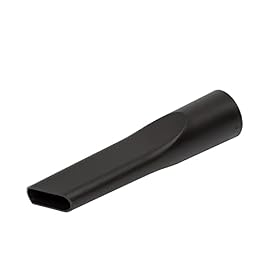
A crevice tool is the basic attachment for cleaning:
Between seats and the center console
Along seat tracks
Around door pockets and carpet edges
In narrow gaps beside or under seats
Around seams where crumbs collect
A long, narrow tool provides reach, but an excessively narrow opening can reduce airflow when it contacts carpet or upholstery. A tool with a slightly tapered end is often easier to position in different gaps.
Soft brush for vents and hard surfaces
Choose a brush attachment with soft, nonabrasive bristles for dashboards, air vents, cup holders, door panels, and textured plastic. The bristles loosen dust while the vacuum removes it.
Avoid stiff bristles or rough plastic edges on glossy trim, touchscreens, leather, and delicate painted surfaces. For electronics and screens, keep suction gentle and follow the vehicle and accessory manufacturer’s care instructions.
Upholstery nozzle for seats and carpet
A wide upholstery nozzle covers more area than a crevice tool and works well on fabric seats, floor carpet, cargo areas, and floor mats. Look for a nozzle with a relatively low-profile opening so it can stay in contact with flat surfaces.
For heavy pet hair or embedded debris, a tool with rubberized strips or an agitation feature may help. However, make sure the attachment is intended for dry vacuuming if you are cleaning a dry vehicle interior.
Flexible hose or extension wand
A flexible hose extension can make interior cleaning easier when the shop vac sits outside the vehicle. It reduces the need to move the vacuum repeatedly and helps reach the rear cargo area.
An extension wand adds reach but can make the tool harder to control in tight spaces. It is most useful with a crevice tool or upholstery nozzle. Keep the hose and wand from dragging across painted body panels or polished trim.
Check compatibility before buying
Shop vac attachments are not universally interchangeable. Check these specifications before ordering:
Hose and inlet diameter
Measure the inside diameter of the vacuum hose end or check the vacuum manufacturer’s specifications. Common accessory sizes may include small, medium, or larger hose systems, but the exact fit varies by manufacturer.
An attachment that is slightly too large may fall off or leak air. One that is too small may require an adapter. A friction-fit connection should be snug without requiring excessive force.
Connection style
Determine whether your vacuum uses:
A friction-fit accessory
A locking or twist-on connection
A proprietary attachment system
A hose-end adapter
If the accessory uses a locking connection, a generic friction-fit tool may not stay attached. Look for a compatible adapter rather than forcing the parts together.
Dry or wet use
Many shop vac attachments are designed for dry debris only. Do not assume a standard crevice tool or brush is suitable for extracting liquid from upholstery. Wet pickup may require a compatible hose, nozzle, filter setup, and vacuum configuration.
If you are cleaning spilled liquid from a vehicle, follow the shop vac manual and the vehicle upholstery manufacturer’s care instructions. Never use a wet vacuum setup with electrical accessories that are not rated for that purpose.
Product prices and availability are accurate as of the date/time indicated and are subject to change. Any price and availability information displayed on Amazon.com at the time of purchase will apply to the purchase of this product.
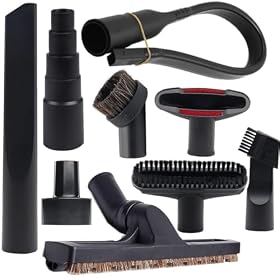
Crevice tool: for seat gaps, tracks, and narrow edges.
Soft-bristle brush: for vents, dashboards, console compartments, and trim.
Upholstery nozzle: for seats, floor carpet, and mats.
Flexible hose or compact extension: for reach around the cabin.
A miniature tool kit can be convenient if your shop vac hose is large and cumbersome. A small-diameter accessory may improve control inside the cabin, but it can reduce airflow if the adapter or tool opening is restrictive. Choose the largest tool that can comfortably reach the area you need to clean.
Product prices and availability are accurate as of the date/time indicated and are subject to change. Any price and availability information displayed on Amazon.com at the time of purchase will apply to the purchase of this product.
How to clean a car interior with a shop vac
Remove loose items first. Take out mats, trash, and objects from door pockets and storage compartments.
Clean from high to low. Start with the dashboard, vents, and seats before vacuuming the floor.
Use a brush on delicate surfaces. Do not press hard against screens or glossy trim.
Use the crevice tool around edges. Move slowly along seams and seat rails so debris has time to enter the nozzle.
Use the upholstery nozzle on broad surfaces. Make overlapping passes over seats and carpet.
Check the filter and collection container. A clogged filter or nearly full drum can reduce suction while you work.
Inspect the interior afterward. Look for trapped debris in seams, under rails, and around pedals.
Turn off and unplug the vacuum before changing accessories or clearing a blockage. Keep the hose away from the accelerator, brake, and clutch pedals while cleaning.
Common problems and fixes
The attachment keeps falling off
Check that the accessory matches the hose diameter and connection type. Clean dust from the connection, then push the tool on firmly without forcing it. If the fit remains loose, use the correct manufacturer-approved adapter or replace the mismatched accessory.
Suction drops when using a small tool
Inspect the attachment opening for a lodged crumb or hair. Check the hose for a blockage, then inspect the filter and collection container. A very narrow tool can restrict airflow, especially on a shop vac with a large hose system. Try a slightly wider crevice tool or a compatible smaller hose rather than stacking several loose adapters.
The brush scratches trim
Stop using it and inspect the bristles and plastic edge for trapped grit or a damaged surface. Use a clean, softer brush for delicate trim. Do not drag debris across glossy surfaces under strong suction.
The vacuum struggles with pet hair
A standard upholstery nozzle may remove loose hair but not deeply embedded hair. A pet-hair tool with rubberized agitation can be more effective if it is compatible with your vacuum. Clean the tool frequently so hair does not block the airflow path.
When to buy an attachment set or replace the vacuum
An attachment set makes sense when your vacuum works properly but lacks a narrow tool, soft brush, or upholstery nozzle. Buy individual accessories when you only need one missing tool and already have a compatible hose system.
Consider a replacement hose, adapter, or nozzle when the existing part is cracked, permanently loose, or clogged internally. If suction remains poor after checking the filter, hose, seals, collection container, and setup, the issue may be in the vacuum itself. Unusual electrical smells, sparking, repeated overheating, or a motor that will not start are reasons to stop using the vacuum and follow the manufacturer’s service guidance or consult a qualified repair professional.
FAQ
What is the best shop vac attachment for car seats?
A wide upholstery nozzle is usually the most practical choice for fabric seats, floor carpet, and mats. A crevice tool is better for seams and the gaps between seats.
Can I use a shop vac crevice tool on a car dashboard?
Yes, but use light suction and avoid scraping the surface. A soft brush is generally safer for dashboards, vents, glossy trim, and other delicate areas.
How do I know whether a shop vac attachment will fit?
Check the attachment’s connection style and diameter against the vacuum hose or manufacturer specifications. If they do not match, use a compatible adapter rather than forcing the parts together.
Can a shop vac attachment remove pet hair from car upholstery?
A standard upholstery nozzle can remove loose hair. For embedded pet hair, a compatible tool with rubberized strips or another agitation feature may work better.