The best shop vac for wet pickup is a wet-dry model with reliable liquid shutoff, an easy-drain tank, a hose that matches your cleanup area, and replacement parts you can actually find. Here is how to compare models without overvaluing horsepower claims.
A wet-dry shop vac is the right tool for picking up water, spills, clogged-sink overflow, and other nonflammable liquids. The best shop vac for wet pickup is not necessarily the largest or most powerful model. Prioritize a dependable float shutoff, a tank that is easy to empty, a hose suited to the job, and clear manufacturer instructions for wet filtration.
What to look for in a shop vac for wet pickup
Automatic float shutoff
A float shutoff helps prevent liquid from entering the motor area when the collection tank reaches its limit. This is one of the most important wet-pickup features.
Look for a design that is clearly identified in the manual or product documentation. The vac may change sound or lose suction when the float activates. Turn it off promptly, disconnect power, and empty the tank rather than continuing to run it.
A float shutoff is not a substitute for supervision. Do not leave a wet vacuum running unattended, especially near a drain, appliance, or electrical equipment.
A practical tank size
Tank capacity affects how often you must stop and drain the vacuum:
Small tanks: Easier to carry and store, but they fill quickly during larger spills.
Mid-size tanks: A useful compromise for garages, basements, vehicles, and occasional water cleanup.
Large tanks: Better for substantial standing water, but heavier and more awkward once full.
Water is heavy. A model that is easy to move while empty may become difficult to carry when its tank is full. Wheels, a handle, and a low center of gravity can matter more than a small difference in advertised motor power.
Easy draining
A drain port near the bottom of the tank can be more useful than removing and tipping the entire vacuum. Check whether the drain location and opening will work over your floor drain, sump area, or outdoor discharge point.
If a model lacks a bottom drain, confirm that the tank can be lifted safely when full. Do not strain yourself trying to carry a heavy tank of water.
Wet-pickup filtration instructions
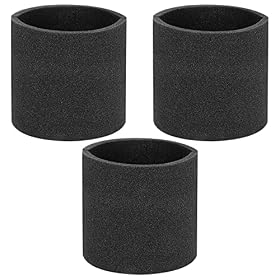
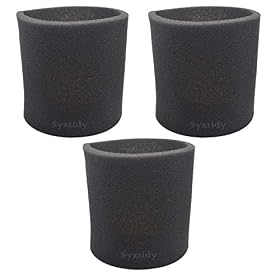
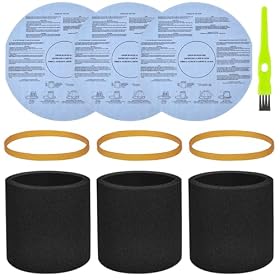
Wet-dry vacuums do not all use their filters in the same way during liquid pickup. Some require a filter to be removed, while others use a specific foam or wet-rated filter. A paper dust bag is generally not intended for collecting water.
Before using the vacuum, read the manual for:
Whether the standard cartridge filter must be removed
Whether a foam sleeve or other wet filter is required
Whether the filter must be dried before switching back to dry debris
Which filter is approved for fine dust after wet pickup
Never guess based only on how a filter looks. Using the wrong filter can damage the filter, restrict airflow, or allow moisture into areas that should remain dry.
Hose diameter and reach
A larger hose can be useful for moving more water and reducing clogging from larger debris, but it may be less convenient for tight spaces. A smaller hose is easier to maneuver and may suit vehicle interiors or narrow drains, but it can clog more easily.
Also check hose length, locking or friction-fit connections, extension availability, and whether the included floor nozzle is designed for liquid pickup. A long hose may reduce the need to move a full tank.
Motor and airflow claims
Motor horsepower labels and peak ratings are not directly comparable across every shop vac. They can be useful as general indicators, but they do not by themselves tell you how quickly a vacuum will collect water.
For wet pickup, give more weight to:
The liquid-shutoff design
Tank capacity and drain convenience
Hose size and usable reach
Floor nozzle design
Availability of replacement filters, hoses, and seals
Noise, storage, and portability
If the manufacturer provides airflow or sealed-suction information, compare figures only when the measurement method is the same. Otherwise, avoid treating one isolated number as proof that a model is better.
Choosing the right size
For small spills and vehicle cleanup
Choose a compact wet-dry vacuum that is easy to carry and store. A shorter hose and smaller tank may be acceptable if you are mainly removing drink spills, melted snow, or a small amount of water from mats and floors.
A narrow nozzle or crevice tool can help with tight spaces, but verify that the attachment is approved for wet use.
For basements, garages, and utility rooms
A mid-size model with wheels, a drain, and a longer hose is usually more practical. It should be easy to position near a puddle without requiring you to lift the vacuum repeatedly.
If the area is prone to recurring water intrusion, consider how the tank will be emptied and where the vacuum will be stored between uses. A convenient drain and accessible replacement parts may save more time than a larger motor rating.
For larger standing-water jobs
A larger tank reduces interruptions, but it also increases filled weight. Choose a model with stable wheels, a strong handle, and a drain that can discharge without tipping the machine.
For repeated flooding, construction dewatering, or continuous water removal, a wet-dry shop vac may not be the right primary tool. A purpose-built transfer pump or water-removal system may be more appropriate. Follow electrical-safety requirements and manufacturer guidance in damp locations.
Product prices and availability are accurate as of the date/time indicated and are subject to change. Any price and availability information displayed on Amazon.com at the time of purchase will apply to the purchase of this product.
Important safety rules for wet pickup
Use only a vacuum specifically rated for wet pickup.
Keep electrical connections, plugs, and extension-cord connections away from standing water.
Use a properly grounded outlet and follow local electrical requirements. A GFCI-protected circuit may be appropriate in damp areas.
Do not vacuum gasoline, solvents, fuels, flammable liquids, hot liquids, or unknown chemicals unless the manufacturer explicitly approves that use.
Do not vacuum water near energized electrical equipment.
Turn the vacuum off and unplug it before emptying the tank or changing filters.
Do not operate the vacuum if the cord, plug, housing, or tank is damaged.
Let wet components dry as directed before storing the machine or using it for dry debris.
When water has reached outlets, wiring, appliances, or other electrical components, stop and have the situation evaluated by a qualified professional.
Compact wet-dry vacuums for small spills and vehicles
Product prices and availability are accurate as of the date/time indicated and are subject to change. Any price and availability information displayed on Amazon.com at the time of purchase will apply to the purchase of this product.
Features that are useful but not essential
Built-in pump
Some wet vacuums or extractors include a pump or discharge feature. This can reduce the need to lift a full tank, but it adds another system to maintain. Check the intended discharge method, hose compatibility, maximum lift information, and cleaning requirements before treating a pump as a must-have.
Blower port
A blower function can help move leaves or dry wet surfaces, but it does not make the vacuum suitable for every liquid or hazardous material. Use the correct nozzle and follow the manufacturer’s instructions.
Automatic cord rewind and onboard storage
Cord management and accessory storage make a vacuum easier to use, especially in a garage or workshop. They should be secondary to wet-shutoff performance, drainage, and serviceable parts.
Noise and portability
Wet-dry vacuums can be loud. If you will use one indoors or around occupied rooms, check the manufacturer’s noise information when available. Large wheels and a balanced handle are particularly valuable because water makes the machine much heavier during use.
Product prices and availability are accurate as of the date/time indicated and are subject to change. Any price and availability information displayed on Amazon.com at the time of purchase will apply to the purchase of this product.
How to use a shop vac for water pickup
Inspect the cord, plug, hose, tank, seals, and float mechanism.
Confirm that the vacuum is set up for wet pickup according to its manual.
Remove or install the approved filter for liquid collection.
Attach a wet floor nozzle or other approved attachment.
Keep the vacuum upright and place it on a stable surface.
Switch it off as soon as the float shutoff activates or suction changes noticeably.
Unplug it before opening or draining the tank.
Empty and rinse the tank if directed, then dry the tank and wet-use components before storage.
Do not block the hose against the floor for long periods. If the motor sound changes sharply or the vacuum stops collecting water, switch it off and inspect the float, hose, and tank.
Product prices and availability are accurate as of the date/time indicated and are subject to change. Any price and availability information displayed on Amazon.com at the time of purchase will apply to the purchase of this product.
Common reasons a wet-dry vacuum will not pick up water
The filter setup is wrong
A dry filter, paper bag, or overloaded filter may not be suitable for wet pickup. Turn the vacuum off, unplug it, and check the manual’s wet-use configuration. Replace a damaged or permanently clogged filter.
The hose or nozzle is blocked
Inspect the hose, wand, floor nozzle, and inlet for rags, hair, leaves, or other debris. Disconnect the hose before clearing it, and do not force a sharp object through a hose if it could puncture the material.
The float shutoff is engaged
A full tank or a tilted vacuum can activate the float. Empty the tank and make sure the float moves freely according to the manufacturer’s instructions.
There is an air leak
Check that the hose is fully seated and that the lid, drain cap, tank seal, and accessory connections are closed correctly. A loose drain cap or damaged gasket can reduce suction.
The setup is incorrect
Confirm that the hose is connected to the suction inlet rather than a blower outlet, and use an attachment intended for wet pickup. Some models require a specific filter or configuration that differs from dry vacuuming.
The motor or electrical supply has a problem
If the vacuum still will not run after checking the simple causes, inspect the outlet and reset devices only if it is safe to do so. Do not open the motor housing or bypass a thermal protector. Burning odor, sparks, repeated breaker trips, unusual grinding, or a damaged cord are reasons to stop using the vacuum and seek qualified service.
When replacement makes more sense than repair
Replace a filter, hose, gasket, drain cap, or nozzle when the part is worn but the motor, tank, and electrical components remain in good condition. Use a part specified for your exact vacuum, because similar-looking filters and fittings may not seal or fit correctly.
A replacement vacuum may be more sensible when the tank is cracked, the lid no longer seals, the float mechanism cannot be restored, replacement parts are unavailable, or the unit has repeated electrical faults. Do not continue using a machine that leaks water toward its electrical components.
Bottom line
For most households, the best shop vac for wet pickup is a mid-size wet-dry model with a reliable float shutoff, convenient draining, stable wheels, a practical hose, and clearly documented wet-filter instructions. Choose a compact unit for occasional small spills, a larger wheeled model for substantial standing water, and a specialized pump or water-removal tool for frequent or high-volume flooding.
FAQ
Can any shop vac pick up water?
Only use a vacuum that the manufacturer identifies as a wet-dry or wet-pickup model. Follow its instructions for filters, attachments, liquid types, and maximum fill level.
Do I remove the filter when using a shop vac for water?
It depends on the model. Some require the standard dry filter to be removed, while others require a foam or wet-rated filter. Check the manual rather than assuming one setup applies to every vacuum.
What tank size is best for wet pickup?
A compact tank is convenient for small spills and vehicle cleanup. A mid-size tank is a practical general-purpose choice, while a large tank reduces emptying stops during substantial water removal but becomes much heavier when full.
Why does my shop vac stop picking up water?
The tank may be full, the float shutoff may be engaged, or the hose, nozzle, filter, seal, or drain cap may have a problem. Turn the vacuum off and unplug it before checking these parts.
Can I use a shop vac to remove water near an outlet?
Do not use a shop vac around energized electrical equipment or water that has reached outlets or wiring. Disconnect power only when it can be done safely, and contact a qualified professional when electrical components are involved.