A cordless shop vac for car interiors is most useful when you need to clean away crumbs, dirt, pet hair, and liquid spills without running an extension cord. The best choice is usually a compact wet-dry vacuum with a narrow nozzle, flexible hose, washable or replaceable filtration, and a battery system you already own. Before buying, check how much runtime you need, whether the vacuum can handle wet pickup, and whether its attachments can reach under seats and into tight gaps.
What to look for in a cordless shop vac
Battery compatibility and runtime
Battery runtime is one of the most important specifications for cordless cleaning. A small car may only require a short cleaning session, while trucks, SUVs, work vehicles, and vehicles with heavy pet hair can take considerably longer.
If you already use cordless tools, a bare-tool vacuum that accepts your existing battery platform may be more practical than buying a new battery and charger. Confirm that the battery and charger are included if you do not already own compatible equipment.
Manufacturers may state runtime under specific conditions, such as a particular battery size or operating mode. Treat those figures as estimates rather than guaranteed cleaning time. Higher-power settings, clogged filters, wet debris, and an aging battery can reduce runtime.
Compact size and carrying design
A vehicle vacuum should be easy to carry around the car and small enough to store in a garage, trunk, or tool cabinet. A larger drum can hold more debris, but it also takes up more room and may be awkward to use between seats.
Look for practical features such as:
- A balanced handle that is comfortable to carry
- A low-profile body that can sit near the vehicle
- Onboard storage for the hose or nozzles
- A drain or easy-to-open collection container
- A battery location protected from dust and accidental liquid exposure
Do not assume that a cordless vacuum is automatically lightweight. The vacuum, battery, hose, and accessories can add up quickly.
Hose reach and useful attachments
Car interiors have many narrow, obstructed areas. A short hose or a wide floor nozzle may work poorly around seat rails, center consoles, door pockets, and cargo-area corners.
The most useful attachments usually include:
- A crevice tool for seams, gaps, and seat rails
- A small utility nozzle for mats and upholstery
- A soft brush for dashboards, vents, and delicate trim
- A wider nozzle for carpets and cargo areas
- A flexible hose extension when the vacuum body cannot fit near the work area
Check how the hose and attachments connect. A proprietary connection can make replacement accessories harder to find, while a commonly sized connection may offer more flexibility. Verify compatibility before buying additional tools.
Filtration and fine dust handling
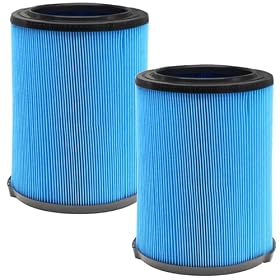
Carpet fibers, sand, and fine dust can load a filter quickly. A vacuum with a suitable cartridge filter and a sealed filter compartment is generally easier to maintain than one that allows dust to bypass the filtration system.
If you plan to collect fine dust regularly, check whether the filter is washable, replaceable, or intended only for dry debris. Follow the manufacturer's instructions before washing any filter. A filter that is not completely dry can restrict airflow or cause problems when the vacuum is used.
A standard dry filter should not automatically be treated as a substitute for a specialized fine-dust or allergen filter. Check the manufacturer's stated filter type and intended use.
Wet-dry capability
Wet-dry operation can be useful for spilled drinks, water in floor mats, or damp debris. However, not every cordless shop vacuum is designed for liquid pickup. Confirm that the model is specifically rated for wet use before vacuuming liquids.
Before switching between wet and dry pickup, follow the instructions for removing or changing the filter. Some vacuums require a different filter configuration for liquids. Empty the collection container after wet pickup and allow components to dry as directed.
Never vacuum flammable liquids, hot ashes, or materials that the manufacturer prohibits. Keep battery connections and electrical components away from liquid.