Best shop vac for drywall
The best shop vac for drywall is one designed to capture fine dust without clogging quickly or leaking it back into the room. Prioritize a properly rated fine-dust or HEPA filter, a tight hose and canister seal, automatic or easy filter cleaning, and compatibility with the power tools you plan to use. A large drum alone does not make a vacuum suitable for drywall dust.
Drywall sanding dust is especially demanding because it is fine enough to load a standard pleated filter rapidly. Once the filter becomes blocked, suction falls, the motor works harder, and dust collection at the tool becomes less effective.
What to look for in a drywall shop vac
Fine-dust or HEPA filtration
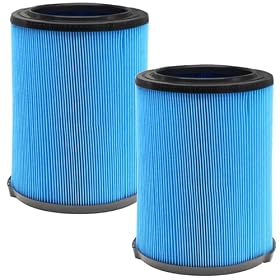
Choose a vacuum with a filter specifically approved by the manufacturer for fine dust or drywall dust. If you need the highest level of particle filtration, look for a manufacturer-stated HEPA filter and confirm that the filter is compatible with the vacuum model.
A HEPA filter is only one part of the system. Dust can still escape through a poorly fitted filter, a damaged gasket, an open exhaust, or a loose hose connection. The filter should fit tightly, and the vacuum should have an intact seal between the lid and drum.
Do not assume that a filter labeled only for wet pickup, general debris, or coarse dust is suitable for sanding joint compound. Wet filters are generally not the correct choice for dry drywall dust unless the manufacturer specifically says they can be used that way.
Filter cleaning
Filter cleaning is particularly valuable for drywall work. A cleaning mechanism can knock dust from the filter while the vacuum is operating or during a cleaning cycle, helping preserve airflow. It does not eliminate the need to inspect and replace the filter.
If the vacuum does not have automatic filter cleaning, choose a design that lets you remove and clean the filter without spreading dust. Follow the manufacturer’s instructions. Some filters should be tapped or brushed outdoors, while others can be washed; washing a filter that is not washable can damage it.
Airflow and suction
Manufacturers may list airflow, sealed suction, or both. Airflow helps move dust through the hose, while sealed suction indicates the vacuum’s ability to pull against resistance. Neither figure alone tells the whole story.
For drywall sanding, a vacuum needs to maintain useful airflow through a fine filter, hose, and tool adapter. A model with impressive peak numbers can still perform poorly if its filter clogs quickly or its hose connections leak. Treat published specifications as comparison points, not a guarantee of dust capture in every setup.
Tool activation and electrical compatibility
If you want the vacuum to start when a sander or other power tool starts, look for a vacuum with a tool-activation outlet rated for the tool’s electrical load. Check the manufacturer’s limits before connecting anything.
A tool-activation outlet is convenient, but it is not essential. You can use a manual switch if the vacuum does not support automatic starting. Never exceed the outlet’s rating, use damaged cords, or connect equipment in a way the manufacturer does not permit. For uncertain electrical setups, ask a qualified professional.
Hose size and adapters
A smaller hose can fit a drywall sander or detail tool more easily, but it may clog sooner and restrict airflow. A larger hose can move more debris and is often better for general cleanup, but it may require an adapter for a power sander.
Check that the hose, adapter, and tool port form a snug connection. A loose adapter can release dust even when the vacuum itself has a good filter. If possible, use a short, smooth hose for tool extraction and avoid unnecessary bends.
Bags and pre-separators
A disposable dust bag can make cleanup easier and reduce the amount of dust that reaches the main filter. Confirm that the bag is rated for dry fine dust and fits the vacuum correctly.
A cyclone-style pre-separator can collect much of the dust before it reaches the vacuum. This may extend filter life and help maintain airflow, but it adds another hose connection that must be sealed properly. A pre-separator is useful only when its lid, fittings, and container are secure.
Drum size and portability
A larger drum means fewer emptying interruptions, but it also adds weight and takes more room to store. For drywall sanding and remodeling work, portability can matter more than maximum capacity because the vacuum may need to move between rooms or climb stairs.
Choose a drum size that matches the work. Fine drywall dust can fill a filter or bag long before the container is physically full, so capacity does not replace good filtration and filter maintenance.