The best jobsite shop vac balances strong pickup with portability, reliable filtration, practical capacity, and a hose that fits the debris and tools you actually use. Here is how to choose the right type for construction cleanup, power-tool dust, wet spills, and mobile work.
A good shop vac for a jobsite should be easy to move, resistant to everyday jobsite abuse, and capable of handling the debris your crew creates. The right choice depends less on a single advertised horsepower figure and more on portability, filter design, hose compatibility, power options, capacity, and how easily the vacuum can be emptied and transported.
For general construction cleanup, prioritize a compact wet-dry vacuum with a durable tank, a dependable cartridge filter, a hose that resists crushing, and wheels or a carrying handle suited to the site. If you mainly connect the vacuum to saws, sanders, or routers, dust filtration and tool compatibility matter more than maximum tank size.
What to look for in a jobsite shop vac
Portability and storage
A large tank can reduce emptying, but it also makes the vacuum harder to carry through unfinished buildings, up stairs, or between vehicles. Look for features such as:
A stable handle that is comfortable when the tank is full
Large, smooth-rolling casters or wheels
A compact shape that fits in a truck or tool trailer
Onboard storage for the hose, cord, wands, and smaller nozzles
A low center of gravity so the vacuum is less likely to tip
For punch-list work and service calls, a smaller unit is often more practical than a high-capacity vacuum. For demolition, flooring, or large cleanup jobs, capacity becomes more valuable.
Filtration for construction dust
Filter choice is one of the most important jobsite considerations. A standard wet-dry filter may be appropriate for coarse dirt, wood chips, and general debris, but fine drywall dust, concrete dust, and sanding dust require a filter designed for fine particles.
Check the manufacturer's guidance before vacuuming hazardous or regulated dust. A standard shop vac is not automatically suitable for lead paint, asbestos, silica, mold, or other hazardous materials. Those applications may require a certified dust extractor, specialized filtration, or a professional abatement procedure.
A useful jobsite vacuum should also make filter maintenance straightforward. A clogged filter reduces airflow and can make the motor work harder. If you frequently move between wet and dry cleanup, confirm whether the filter must be removed for liquids and whether a separate foam sleeve or wet filter is required.
Suction, airflow, and hose size
Manufacturers may advertise several different performance figures, and they do not all describe the same thing. Sealed suction indicates how strongly the vacuum can pull against resistance, while airflow indicates how much air it moves when resistance is lower. Neither number alone predicts performance in every jobsite application.
Hose diameter affects the type of work the vacuum handles well:
A narrower hose is easier to maneuver and can work well with small tools and tight spaces.
A wider hose is generally better for wood chips, larger debris, and faster general cleanup.
A long hose increases reach but may reduce airflow, especially if it is narrow, kinked, or partially blocked.
Before buying, check that the hose end fits your tools or that suitable adapters are available. A powerful vacuum is less useful if its hose connection does not work with the saws, sanders, or extractors you use.
Tank capacity
Tank size should match the debris and liquids you expect to collect. A smaller tank is lighter and easier to carry, while a larger tank lets you work longer between emptying.
Remember that usable capacity is not always the same as the advertised tank volume. A float or shutoff system limits liquid collection, and a filter or collection bag reduces the available space for dry debris. A large tank also becomes heavy when filled with water or dense material.
For wet pickup, use the correct wet-collection setup and stop when the float or manufacturer's fill indicator signals that the tank is full. Do not continue operating a vacuum after the motor begins to sound different or the shutoff engages.
Corded versus cordless power
Corded models are usually the practical choice for long cleanup sessions because they do not depend on battery runtime. They are well suited to workshops, interior construction sites with available power, and repeated wet pickup.
Cordless models are more convenient when outlets are unavailable or when the crew already uses a compatible battery platform. Their tradeoffs include limited runtime, charging requirements, and possible differences in performance between battery sizes. Compare the manufacturer's stated runtime conditions rather than assuming one battery will last through a full shift.
Use extension cords and ground-fault protection according to local requirements and the manufacturer's instructions. Keep electrical connections away from standing water, and do not use a cord or plug that is damaged.
Best shop vac type for common jobsite work
General construction cleanup
Choose a durable wet-dry vacuum with a moderate-to-large tank, stable wheels, a wide or versatile hose, and easy-access filter maintenance. A drain valve can be useful when the tank will collect water or slurry, provided the vacuum is approved for that material.
Power-tool dust collection
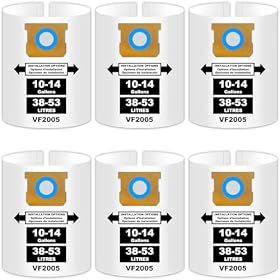
Prioritize fine-dust filtration, a secure hose connection, an outlet or automatic tool-start feature if appropriate, and a hose diameter that matches your tools. Collection bags can make disposal cleaner and help protect the filter, but they add an ongoing consumable cost and must be compatible with the specific vacuum.
For concrete, masonry, or silica-producing work, use equipment and filtration rated for that application rather than relying on a general-purpose shop vac.
Wet spills and water cleanup
Look for a vacuum explicitly designed for wet pickup, with a float shutoff and a tank that can be emptied safely. A drain port is convenient on larger units. Remove or change the dry filter only as instructed, and allow components to dry after use to reduce odors and mildew.
Never use a wet-dry vacuum to collect flammable liquids, hot ash, or substances the manufacturer excludes.
Mobile service work
A compact unit with a strong handle, onboard accessory storage, and a hose that packs easily is often the best fit. Battery power can be especially useful in unfinished spaces, vehicles, and outdoor areas, but confirm that runtime and charging logistics fit the workday.
Product prices and availability are accurate as of the date/time indicated and are subject to change. Any price and availability information displayed on Amazon.com at the time of purchase will apply to the purchase of this product.
Features that matter less than they seem
Peak horsepower labels
Peak horsepower is not a complete measure of cleaning performance. Compare the vacuum's airflow, sealed suction, filter system, hose design, and intended use. A unit with a lower headline number may be easier to use and more effective with fine dust if its filter and hose system are better suited to the job.
Maximum tank size
The biggest tank is not automatically the best choice. It may be inconvenient to transport and difficult to empty when full. Choose the smallest capacity that will handle your normal work without frequent interruptions.
Accessory count
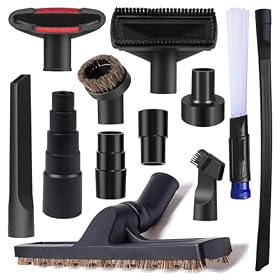
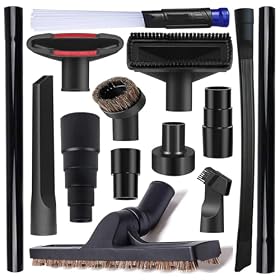
A long list of nozzles is useful only if the attachments fit the debris and surfaces you clean. A crevice tool, utility nozzle, floor nozzle, extension wands, and a compatible tool adapter are generally more valuable than accessories you will not carry to the site.
Product prices and availability are accurate as of the date/time indicated and are subject to change. Any price and availability information displayed on Amazon.com at the time of purchase will apply to the purchase of this product.
How to choose quickly
Use this short checklist:
Identify the main material: coarse debris, fine dust, liquids, or a mixture.
Select filtration designed for that material and application.
Choose a tank size you can realistically carry when partly or fully loaded.
Match the hose diameter and connector to your tools and debris.
Decide whether corded runtime or cordless mobility matters more.
Check wheel stability, handle quality, accessory storage, and hose storage.
Confirm replacement filters, bags, hoses, and adapters are available.
Read the manual for prohibited materials and wet/dry setup requirements.
Product prices and availability are accurate as of the date/time indicated and are subject to change. Any price and availability information displayed on Amazon.com at the time of purchase will apply to the purchase of this product.
Maintaining a jobsite shop vac
Empty the tank before debris reaches the manufacturer's limit. Clean or replace filters as directed, and inspect the hose for cracks, crushed sections, and blockages. Keep the intake and exhaust vents clear.
After wet pickup, drain and dry the tank and any components that the manual identifies as washable. Do not reinstall a damp filter unless the manufacturer specifically permits it. Store the cord and hose without tight bends, and inspect the plug and power cord before each use.
A collection bag or pre-separator can reduce the amount of dust reaching the filter and may make disposal easier. It must be correctly sized and compatible with the vacuum; an ill-fitting bag can collapse, tear, or restrict airflow.
Product prices and availability are accurate as of the date/time indicated and are subject to change. Any price and availability information displayed on Amazon.com at the time of purchase will apply to the purchase of this product.
When to choose a different vacuum
A general shop vac may not be the right equipment for hazardous dust, continuous industrial extraction, hot materials, flammable liquids, or applications requiring certified filtration. Follow the tool, vacuum, and jobsite safety requirements, and consult a qualified safety professional when the material or exposure risk is uncertain.
If the vacuum is used mainly for fine dust, a purpose-built dust extractor may be a better investment than repeatedly replacing clogged filters on a general-purpose unit. If the tank, motor housing, hose system, or electrical components are damaged, replacement is usually more sensible than continued use. Disconnect power before inspecting the vacuum, and have electrical repairs handled by a qualified professional.
FAQ
What size shop vac is best for a jobsite?
Choose the smallest tank that handles your normal debris without constant emptying. Compact units are easier to carry, while larger tanks are useful for demolition, flooring, and substantial wet cleanup.
Is a shop vac good for drywall or concrete dust?
Only if its filtration system and accessories are approved for that type of fine dust. Concrete and masonry work can create respirable silica, so follow applicable safety requirements and use a properly rated dust extractor when required.
Should I choose a corded or cordless shop vac for construction work?
Choose corded power for long, repeated cleanup where an appropriate outlet is available. Choose cordless power for mobility and unfinished spaces, but account for battery runtime, charging, and the performance conditions specified by the manufacturer.
Do I need a filter bag with a jobsite shop vac?
A compatible collection bag can simplify disposal and reduce dust reaching the main filter during dry cleanup. It is not suitable for every wet-dry setup, so follow the vacuum and bag manufacturer's instructions.
What is more important, suction or horsepower?
Neither headline figure should be considered alone. Hose diameter, airflow, sealed suction, filter condition, tool compatibility, and the type of debris often have a greater effect on practical performance.