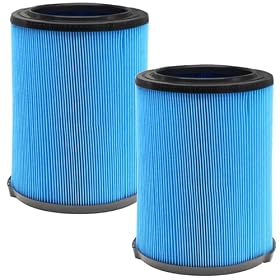
For ordinary sawdust, a compatible pleated cartridge filter is usually the best reusable choice, while a dust collection bag can improve airflow and cleanup. Fine sanding dust may require a high-efficiency or HEPA-rated filter if your vacuum supports one.
Best shop vac filter for sawdust
For most woodworking cleanup, the best shop vac filter for sawdust is a compatible pleated cartridge filter, used with the correct collection bag when your vacuum supports one. A cartridge filter provides more surface area than a flat foam filter and can capture fine particles without restricting airflow as quickly—provided it is sized for the vacuum and kept clean.
The right setup depends on the dust you make. Coarse chips and ordinary cuts are different from fine sanding dust, and dry sawdust requires different filtration from wet pickup.
Best filter types for sawdust
Pleated cartridge filter: best general-purpose choice
A pleated cartridge filter is usually the most practical reusable option for dry sawdust. Its folded media provides a large filtering area in a compact space, which helps maintain suction as the filter collects dust.
Choose one when you want to:
Vacuum sawdust, wood chips, and general workshop debris
Use the shop vac for both occasional cleanup and regular woodworking
Avoid replacing a disposable filter after every job
Keep a standard wet-dry vacuum setup relatively simple
Check the manufacturer’s fit requirements carefully. Cartridge filters are not universal, even when two vacuums look similar. Compare the filter’s mounting style, dimensions, sealing surface, and compatibility with your vacuum model.
Collection bag: often the best add-on for dry sawdust
A disposable or reusable dust collection bag is not a replacement for every filter, but it can make a major difference when collecting dry sawdust. The bag catches much of the debris before it reaches the cartridge filter, reducing filter loading and making disposal cleaner.
A bag is especially useful when:
You are emptying the vacuum frequently
You are collecting dry dust from a table saw, miter saw, or sander
You want to reduce the dust cloud created when removing the drum lid
Your vacuum’s instructions specify bag-and-filter use for dry pickup
Use only a bag designed for the vacuum. A poorly fitted bag can tear, collapse, block airflow, or allow dust to bypass the filter.
High-efficiency or HEPA-rated filter: for very fine dust
Fine sanding dust, drywall dust, and some engineered wood dust can pass through ordinary filters more easily than larger sawdust particles. If your vacuum supports a high-efficiency or HEPA-rated filter, it may be a better choice for these applications.
However, a HEPA-rated filter does not make every shop-vacuum setup a complete dust-extraction system. The vacuum, hose, seals, collection method, and tool connection all affect how much airborne dust escapes. Follow the filter and vacuum manufacturer’s instructions, and use appropriate respiratory protection when dust exposure is possible.
Do not assume that a filter marketed for fine dust fits wet pickup or every type of debris. Some filters must be removed before collecting water, while others are designed for both wet and dry use. The owner’s manual takes priority.
Foam filter: generally for wet pickup, not dry sawdust
Foam sleeves are commonly intended for wet pickup. They are not usually the best choice for dry sawdust because they may not provide the same fine-particle filtration as a pleated dry filter and can become loaded quickly.
Use a foam filter only for the purpose specified by the manufacturer. Never put a wet filter back into service for dry dust until it is fully dry and approved for that use.
What to look for when buying a sawdust filter
Confirm exact compatibility
Before buying, check:
The vacuum’s brand and model or the filter’s approved model list
The filter’s mounting method and dimensions
Whether the filter is intended for dry pickup, wet pickup, or both
Whether a retaining plate, cage, adapter, or sealing ring is required
Whether the filter can be used with a collection bag
A filter that is slightly loose can let sawdust bypass the media. One that is too tall or wide may prevent the lid from seating correctly.
Consider filtration level and dust size
For ordinary chips and sawdust, a standard dry cartridge filter may be sufficient. For sanding dust or other fine particles, look for the efficiency designation provided by the manufacturer rather than relying on vague phrases such as “high performance” or “professional grade.”
Higher filtration can sometimes reduce airflow as the filter loads. That is not necessarily a defect, but it makes regular cleaning and correct filter sizing more important.
Check cleaning instructions
Some cartridge filters can be gently tapped or brushed from the outside. Others can be washed; many cannot. Do not use compressed air unless the manufacturer permits it, because aggressive air pressure can damage the filter media or force dust deeper into the pleats.
A washable filter still needs to dry completely before use. A damp dry filter can restrict airflow and may damage the vacuum or promote mildew.
Match the filter to the job frequency
If you occasionally clean up a small amount of sawdust, a reusable cartridge filter may be all you need. If you use a shop vac daily, a compatible collection bag can reduce maintenance and extend the useful interval between filter cleanings.
For tools that produce large amounts of dust, a dedicated dust collector or source-capture system may be more appropriate than relying on a general-purpose shop vac alone.
Product prices and availability are accurate as of the date/time indicated and are subject to change. Any price and availability information displayed on Amazon.com at the time of purchase will apply to the purchase of this product.
How to install and use a filter for sawdust
Unplug the vacuum before opening it.
Empty the drum and remove the old filter if necessary.
Inspect the filter seat, gasket, cage, and retaining hardware.
Install the filter squarely so the sealing surface sits evenly.
Add the correct collection bag if the vacuum and bag instructions allow it.
Make sure the lid closes fully and no hose or bag is pinched.
Connect the hose to the tool or vacuum inlet as directed.
Start with a short test run and check for unusual airflow loss or dust escaping from the exhaust.
Never operate the vacuum without the filter arrangement specified for dry pickup. Also avoid vacuuming hot embers, smoldering debris, flammable liquids, or hazardous dust unless the vacuum is specifically rated for that material.
Product prices and availability are accurate as of the date/time indicated and are subject to change. Any price and availability information displayed on Amazon.com at the time of purchase will apply to the purchase of this product.
Troubleshooting weak suction after installing a filter
A new filter does not always solve poor performance. Check the system in this order:
1. Inspect the filter
A filter may be clogged immediately if it was installed on a full drum, used without a collection bag, or exposed to unusually fine dust. Remove it and inspect the pleats. Replace it if the media is torn, crushed, permanently caked, or no longer seals.
2. Check the hose and tool connection
Sawdust commonly collects at the hose inlet, wand, elbow, floor nozzle, or tool adapter. Disconnect the hose and look through it. Clear blockages only with a method approved by the manufacturer, and unplug the vacuum before handling the obstruction.
A narrow adapter or long hose can also reduce airflow even when there is no clog.
3. Inspect seals and the filter seat
Look for a displaced gasket, cracked filter cage, loose retaining nut, or lid that is not fully closed. Dust around the clean-air side of the filter can indicate bypass leakage.
4. Verify the setup
Make sure the filter is intended for dry sawdust and that any wet-pickup components have been removed or configured as instructed. Confirm that a collection bag is not blocking the inlet or folded against the filter.
5. Empty the drum or replace the bag
A full drum can block airflow, and a full bag may collapse against the inlet. Empty or replace it before assuming the motor has failed.
6. Check the motor and electrical supply last
If the vacuum still has weak suction, unusual noise, a burning smell, intermittent power, or a hot cord or plug, stop using it. Do not bypass switches, remove electrical protections, or open the motor housing unless qualified to do so. Follow the manufacturer’s service instructions or have the unit inspected by a qualified technician.
Product prices and availability are accurate as of the date/time indicated and are subject to change. Any price and availability information displayed on Amazon.com at the time of purchase will apply to the purchase of this product.
When to replace the filter or vacuum
Replace the filter when it is torn, deformed, permanently clogged, or unable to seal. Replacing a low-cost filter is usually more sensible than trying to restore damaged media.
A replacement vacuum may be reasonable when compatible filters and parts are no longer available, the drum or lid is cracked, the unit repeatedly loses suction after proper maintenance, or the motor has an electrical or mechanical fault. If the vacuum is being used for substantial fine-dust extraction, consider whether a purpose-built dust extractor is a better fit than upgrading the filter alone.
Bottom line
For general sawdust, choose a properly fitted pleated cartridge filter and consider adding the manufacturer-approved collection bag. For fine sanding dust, select the highest suitable filtration level supported by the vacuum and use source capture whenever possible. Compatibility, sealing, and maintenance matter as much as the filter’s marketing description.
FAQ
Can I use a shop vac without a filter for sawdust?
No. Dry sawdust requires the filter arrangement specified by the vacuum manufacturer. Operating without the required filter can send dust through the exhaust, damage the motor, and create an inhalation hazard.
Is a cartridge filter or bag better for sawdust?
They serve different purposes. A pleated cartridge filter provides filtration, while a collection bag captures much of the debris before it reaches the filter. For dry sawdust, using both is often the cleanest and lowest-maintenance arrangement when the vacuum supports it.
Can I wash a shop vac filter used for sawdust?
Only if the manufacturer says the filter is washable. Otherwise, gently clean or replace it according to the instructions. Allow any washable filter to dry completely before reinstalling it for dry pickup.
Why does my shop vac lose suction when picking up sawdust?
The common causes are a clogged filter, blocked hose or tool adapter, leaking filter seal, incorrect setup, full drum, or full collection bag. Check those items before investigating the motor or electrical system.
Do I need a HEPA filter for sawdust?
Not necessarily for coarse sawdust, but fine sanding dust can require more efficient filtration. Check the vacuum’s compatibility and the manufacturer’s filtration claims, and remember that a filter alone does not replace effective tool-level dust collection.