The best compact shop vac for an apartment workshop is small enough to store, quiet enough for shared spaces, and equipped with filtration suited to your tools. Here is how to choose one without sacrificing useful suction or dust control.
Best compact shop vac for an apartment workshop
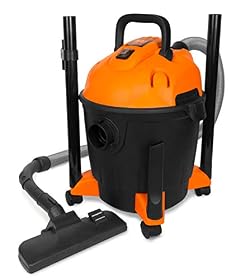
The best compact shop vac for an apartment workshop is usually a small wet-dry vacuum with a manageable hose, reliable fine-dust filtration, and a design that is easy to store indoors. Maximum motor power is less important than noise, dust containment, hose compatibility, and whether the vacuum fits your available workspace.
Apartment workshops create a different set of priorities than garages or job sites. Storage may be limited, neighbors may be nearby, and dust cannot simply be blown outside. Use the following criteria to choose a compact vacuum that suits your tools and working habits.
What matters most in an apartment workshop
1. Compact storage and easy movement
Measure the space where the vacuum will actually live, including room for the hose, cord, attachments, and filter storage. A vacuum that fits under a bench or on a shelf may be more useful than a larger unit with higher airflow.
Look for practical features such as:
A compact body that can be carried with one hand
Stable wheels or a flat base, depending on your layout
Onboard storage for the hose and common nozzles
A power cord long enough to avoid constant repositioning
A hose that does not kink easily when stored
Do not assume that the smallest drum is always the best choice. A very small container fills quickly when collecting sawdust or drywall debris, reducing usable suction and increasing cleanup frequency.
2. Noise level
Noise is one of the biggest apartment-specific concerns. Shop vacuums are generally louder than household canister vacuums because they are designed to move a large volume of air. Manufacturers do not always publish comparable sound measurements, so advertised noise claims should be treated cautiously.
A quieter vacuum is particularly valuable when you work in short sessions, share walls with neighbors, or need to hear a tool running. You can also reduce disturbance by:
Using the vacuum only when the tool is producing dust
Connecting it to a tool-triggered outlet if the vacuum supports that feature
Keeping the vacuum on a stable surface rather than a hollow shelf
Checking that the filter and hose are clear, since blockages can make the motor work harder
Wearing hearing protection when operating the vacuum and power tools
A compact vacuum may still require hearing protection. “Quiet” does not mean silent or safe for prolonged exposure.
3. Fine-dust filtration
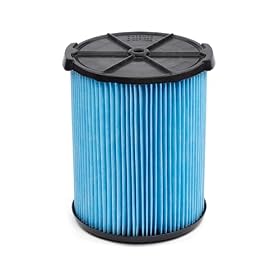
For woodworking, sanding, and similar apartment projects, filtration is more important than wet-pickup capacity. A standard cartridge filter may handle general debris, but fine dust can pass through an unsuitable filter or quickly clog it.
Check the manufacturer’s instructions for the filter’s intended use. Important distinctions include:
General-purpose filters: Suitable for larger debris and many routine cleanup tasks
Fine-dust filters: Better suited to sanding dust and other small dry particles
HEPA-rated filtration: May reduce fine-particle exhaust, but only when the complete vacuum and filter system is designed and rated for that performance
Disposable collection bags: Can simplify emptying and help contain dust, but must be compatible with the vacuum and material being collected
Do not use a wet filter for dry pickup unless the manufacturer specifically allows it. A damp or clogged filter can restrict airflow and may damage the vacuum. Allow washable filters to dry completely before reinstalling them.
For silica, lead, asbestos, mold, or other hazardous dust, a general compact shop vacuum may not be appropriate. Follow the material-specific safety requirements and use a vacuum and filtration system rated for the hazard. When in doubt, consult a qualified professional.
4. Hose diameter and tool compatibility
The hose determines how easily the vacuum connects to your tools and how much material it can move. Smaller hoses are easier to store and may connect conveniently to compact sanders or routers, but they can clog more readily with chips and larger debris. Larger hoses usually handle bulky material better but take up more storage space.
A hose that loosely fits a tool can leak dust and reduce collection performance. A tight connection, even if it requires a proper adapter, is usually preferable to relying on tape or an improvised fitting.
5. Suction, airflow, and motor specifications
Shop-vac specifications can be difficult to compare because manufacturers may emphasize different measurements. Airflow describes the volume of air moved, while sealed suction describes the vacuum’s ability to pull against resistance. Neither figure alone predicts how well the vacuum will collect dust from every tool.
For an apartment workshop, prioritize the combination of:
Enough airflow for your tools and debris
A filter that remains usable as dust accumulates
A hose that matches the work
A secure tool connection
A motor and housing that are acceptable for your noise tolerance
A higher power number does not automatically mean better dust collection. If the filter clogs quickly or the hose leaks, extra motor power will not solve the underlying problem.
The most useful features for small workshops
Automatic tool activation
A tool-triggered outlet can turn the vacuum on when a connected power tool starts and off after the tool stops. This reduces unnecessary noise and keeps the vacuum from running continuously during short tasks.
Check the outlet’s electrical rating before connecting a tool. Do not exceed the manufacturer’s limits, and do not use an outlet or extension arrangement that is not approved for the equipment.
Blower function
Some shop vacuums can blow air through the hose. This may be useful for clearing outdoor work areas, but it is usually a poor choice in an apartment because it can spread dust through the room. Treat blower mode as an occasional utility feature, not a substitute for collection.
Disposable bags or collection liners
A compatible bag can make dry cleanup less messy and reduce the dust cloud produced when emptying the drum. It also provides a convenient way to remove fine dust without shaking it back into the room.
Bags reduce available drum capacity and are not suitable for every wet-dry application. Use only the type recommended for your vacuum and the material being collected.
Grounded construction and electrical protection
Use the vacuum with a properly grounded outlet and follow the manufacturer’s electrical instructions. Keep plugs and connections away from standing water, and use a ground-fault circuit interrupter where required by local electrical codes or the equipment instructions.
Do not operate a wet-dry vacuum with a damaged cord, damaged plug, cracked housing, or signs of liquid entering the motor area. Unplug the unit before clearing a blockage, changing filters, or performing maintenance.
Product prices and availability are accurate as of the date/time indicated and are subject to change. Any price and availability information displayed on Amazon.com at the time of purchase will apply to the purchase of this product.
Which compact shop vac setup fits your work?
For sanding and woodworking
Choose fine-dust filtration, a compatible collection bag if available, and a hose or adapter that seals well to your sander or saw. Empty the collection system before it becomes overloaded. For recurring fine-dust work, source capture at the tool is preferable to relying on room cleanup afterward.
For drilling, assembly, and occasional cleanup
A smaller vacuum with a flexible hose and a crevice tool may be sufficient. Prioritize storage, quick setup, and a filter that can handle the materials you commonly generate.
For wet spills and utility cleanup
Confirm that the vacuum supports wet pickup and follow the instructions for removing or changing the dry filter. Never assume a dry-paper filter can remain installed during wet pickup. Empty liquid promptly after use and allow the appropriate components to dry as directed.
For heavier chips and renovation debris
A compact unit may become frustrating if it clogs frequently or fills after only a few minutes. If your work produces large amounts of debris, consider a larger drum or a dedicated dust-collection setup instead of forcing a small apartment vacuum to do a job it was not designed for.
Product prices and availability are accurate as of the date/time indicated and are subject to change. Any price and availability information displayed on Amazon.com at the time of purchase will apply to the purchase of this product.
How to reduce dust in an apartment workshop
A shop vacuum is only one part of dust control. Improve collection by:
Connecting the hose directly to the tool whenever possible.
Sealing loose connections with a proper compatible adapter.
Using the correct filter and installing it securely.
Keeping the filter clean without damaging it.
Cleaning the work area with the vacuum rather than sweeping fine dust into the air.
Ventilating the room safely and following the requirements for the material involved.
Wearing appropriate respiratory and eye protection.
A vacuum that collects dust at the tool is generally more effective than one used only after dust has settled across the room.
Product prices and availability are accurate as of the date/time indicated and are subject to change. Any price and availability information displayed on Amazon.com at the time of purchase will apply to the purchase of this product.
When a compact shop vac is not the right choice
Choose a different solution if you regularly need to collect hazardous dust, run multiple dust-producing tools, or work for long periods with a small vacuum that overheats or fills quickly. A purpose-built dust extractor, certified hazardous-dust vacuum, or larger dust-collection system may be more appropriate.
If your apartment workshop is mainly for light assembly, occasional drilling, small woodworking tasks, and spill cleanup, a compact wet-dry vacuum with suitable filtration should provide a more practical balance of storage and capability.
Product prices and availability are accurate as of the date/time indicated and are subject to change. Any price and availability information displayed on Amazon.com at the time of purchase will apply to the purchase of this product.
Bottom line
For an apartment workshop, select the smallest shop vac that still supports your tools and materials. Give priority to fine-dust filtration, secure hose adapters, manageable noise, easy storage, and convenient emptying. Treat motor power as only one part of the decision, and do not rely on a general-purpose shop vac for hazardous dust unless the complete system is specifically rated for that use.
FAQ
What size shop vac is best for an apartment workshop?
A compact unit is usually appropriate for light woodworking, drilling, assembly, and spill cleanup. Choose based on storage space, hose compatibility, filtration, and how quickly the drum will fill rather than choosing solely by motor power.
Are compact shop vacs too loud for apartments?
Many are loud enough to require hearing protection, even when marketed as quieter models. Look for tool-triggered operation, avoid unnecessary run time, and follow building rules and reasonable hours for noisy work.
Do I need a HEPA shop vac for woodworking?
Not every woodworking task requires a HEPA-rated vacuum, but fine-dust filtration is important for sanding and similar work. A HEPA claim should apply to the complete vacuum and filter system, not just an optional filter. Hazardous materials require a vacuum specifically rated for the hazard.
Can I use a shop vac for both wet and dry cleanup?
Many wet-dry vacuums can handle both, but the filter configuration often changes between wet and dry pickup. Follow the manufacturer’s instructions, remove or replace filters as directed, and empty and dry the unit after collecting liquid.
Why does a small shop vac lose suction during workshop cleanup?
Check the filter first, then inspect the hose, tool adapter, seals, and drum or collection bag. A clogged filter, blocked hose, loose connection, or full container is more common than a motor failure. Unplug the vacuum before clearing obstructions.