A wet shop vac filter is normal after liquid pickup, but it should not remain damp after dry vacuuming. Learn how to identify the cause, dry the filter safely, and prevent damage or poor suction.
A shop vac filter stays wet after use because it picked up liquid, was washed and stored before drying, or is allowing moisture into the dry-vacuuming system. A foam wet filter may be expected after liquid pickup, but a paper or pleated cartridge filter should be completely dry before dry vacuuming. Unplug the vacuum before inspecting it, and follow the filter and vacuum manufacturer's instructions.
First, identify the filter type
Shop vacuums commonly use different filters for wet and dry pickup:
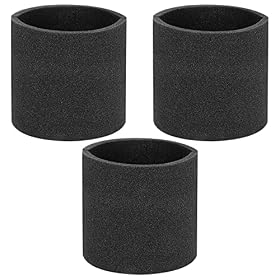
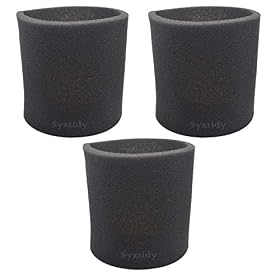
- Foam sleeve: Often intended for wet pickup. It can remain damp after collecting liquids, but it should be rinsed and dried before storage.
- Pleated cartridge filter: Usually intended for dry debris. Do not use a damp cartridge to collect dry dust.
- Paper or disposable filter bag: Keep it away from liquid. A wet bag should generally be discarded rather than dried and reused.
Some vacuums use one filter for multiple applications, while others require removing the dry filter before wet pickup. The owner's manual takes priority over general guidance.
How to fix a shop vac filter that stays wet
1. Remove and dry the filter completely
Unplug the vacuum, remove the motor head, and take out the filter. Shake off loose water and place the filter in a warm, well-ventilated area. Allow it to dry fully before reinstalling it.
Do not use a heat gun, open flame, or very high heat. Excessive heat can damage filter media, adhesives, plastic, or rubber parts. A filter that smells sour, has mildew, remains distorted, or has damaged pleats should be replaced.
If you washed a cartridge filter, check its instructions before reinstalling it. Some filters can be rinsed; others should only be brushed or replaced. Never put a wet filter back into the vacuum just to finish a job.
2. Check for liquid in the hose and attachments
Water can remain inside the hose, wand, floor nozzle, or crevice tool and make the filter wet again. Disconnect each section and inspect it. Drain or wipe out trapped water, then let the parts dry.
Look for a clog as well. A restricted hose can reduce airflow and leave moisture inside the vacuum instead of moving it through the system normally. Clear blockages only when the vacuum is unplugged, and do not push objects through the hose if they could puncture it.
3. Inspect the filter seal and vacuum lid
A filter that is not seated correctly can allow moisture and debris to reach areas that should stay dry. Check that:
- The filter is installed in the correct direction.
- The retaining ring, cage, or filter nut is present and secure.
- The filter gasket is clean and evenly seated.
- The motor-head latches close fully.
- The lid and tank rim are free of dirt that could prevent a seal.
Replace a cracked gasket, torn filter, or damaged retaining component. Do not compensate for a poor seal by overtightening plastic parts.
4. Confirm the vacuum is set up for the job
For wet pickup, use only the filter configuration specified by the manufacturer. Some models require a foam sleeve; some permit wet pickup without a dry cartridge; others have a specific wet filter. Using the wrong setup can soak a filter or allow water to reach the motor head.
For dry pickup, install the specified dry filter and, when required, a compatible collection bag. Do not assume that a filter labeled “washable” is suitable for wet pickup; washable describes cleaning, not necessarily liquid use.
5. Empty the drum and check the float shutoff
A full tank can cause poor airflow, splashing, or unexpected moisture near the filter. Empty the drum before it reaches its maximum level and clean away sludge or debris.
Many wet-dry vacuums have a float or automatic shutoff that restricts airflow when the tank is full. Check that it moves freely and is not stuck with dirt. Do not bypass the float mechanism. If the vacuum continues running after the tank is full, stop using it until the cause is corrected.
When a wet filter indicates a bigger problem
A filter that becomes wet during ordinary dry vacuuming may indicate moisture left in the hose or tank, an improperly seated filter, a damaged seal, or liquid entering through a cracked housing. Inspect those parts before blaming the motor.
Stop using the vacuum and seek service if water has reached the switch, power cord, motor head, or electrical components. Do not open or repair electrical parts unless you are qualified to do so. Replace the vacuum when the tank, lid, motor housing, or filter-retention system is cracked or no longer seals reliably and replacement parts are unavailable or cost-ineffective.
How to prevent the filter from staying wet
- Empty liquid from the tank after wet pickup.
- Rinse compatible wet filters according to the instructions.
- Drain the hose and attachments.
- Store the filter and tank where air can circulate.
- Keep dry filters separate from wet-pickup accessories.
- Check the filter before every dry-vacuuming job.
- Replace filters that are torn, permanently misshapen, moldy, or difficult to clean.
A filter does not need to be replaced simply because it was wet during an approved wet-pickup job. It does need to be fully dry, undamaged, and compatible with the next type of vacuuming.