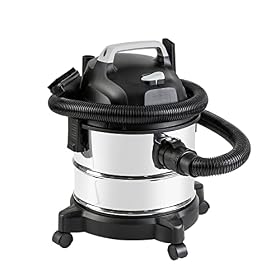
The best quiet shop vac for a basement balances lower operating noise with enough suction, reliable filtration, and easy storage. Here is how to compare models for dust, water, cobwebs, and occasional cleanup without choosing a machine that is unnecessarily large or difficult to carry downstairs.
A good quiet shop vac for a basement should be easy to carry, capable of handling both dry debris and small liquid spills, and quiet enough that occasional cleanup does not become disruptive. Look for a model with published noise information when available, a sealed hose and lid, washable or replaceable filtration, and storage features that keep the machine and accessories organized.
“Quiet” is relative: shop vacuums are still louder than ordinary household vacuums. The goal is usually to choose a less disruptive model with the right airflow and capacity—not a silent machine.
What matters most in a basement shop vac
Noise level and motor design
Compare manufacturer-listed sound information if it is provided, but do not assume that a lower advertised decibel figure tells the whole story. Noise can also come from the hose, floor nozzle, exhaust, vibration, and the surface where the vacuum is sitting.
A smaller machine is often easier to live with in a basement, but physical size alone does not guarantee quiet operation. A compact unit with a well-sealed lid and vibration control may be more pleasant than a larger, more powerful vacuum. Avoid choosing maximum horsepower or capacity unless you regularly clean large amounts of debris.
If noise is especially important, check whether the manufacturer specifies:
Operating sound level and how it was measured
Motor or housing insulation
A muffled exhaust design
Adjustable suction or power control
Soft wheels or vibration-reducing feet
Filtration for basement dust
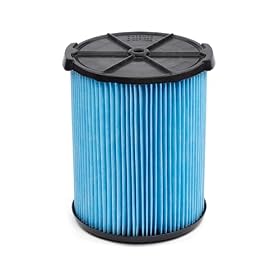
For routine dry cleanup, the filter is one of the most important parts of the vacuum. A cartridge filter is generally more convenient than a flat foam sleeve for fine dust, but the exact filter rating and approved uses vary by model.
If you are cleaning drywall dust, concrete dust, ash, or other very fine material, use only a filter approved for that debris. Some fine particles can quickly clog a standard filter, reduce suction, or pass through the exhaust. A high-efficiency or HEPA-rated filter can be useful when the vacuum and filter are specifically designed to work together, but the filter rating alone does not guarantee that the entire vacuum is sealed to the same standard.
For ordinary basement dirt, cobwebs, sawdust, and small debris, prioritize a filter that is:
Easy to remove without damaging it
Washable only if the manufacturer says it can be washed
Readily available as a replacement
Correctly sized for the vacuum
Protected from wet pickup when the machine is used for liquids
Never use a paper or dry filter for wet pickup unless the manufacturer expressly permits it. Remove or change filters as directed before switching between wet and dry operation.
Wet pickup capability
Basements can have condensation, minor leaks, clogged drains, or spilled water, so wet pickup is a useful capability. Check that the model has the necessary wet-pickup filter or configuration and a float shutoff or equivalent protection where specified.
A wet/dry vacuum does not replace a pump for significant flooding. If water is near electrical outlets, appliances, furnaces, or wiring, turn off power only if it is safe to do so and follow local emergency or professional guidance. Do not operate a vacuum in standing water when doing so could expose you to electrical hazards.
Capacity and portability
For a basement, a moderate-capacity vacuum is often more practical than a large contractor-style unit. A smaller drum takes up less storage space and is easier to move around stairs and finished rooms. A larger drum means fewer emptying stops, but it also adds weight and bulk.
Consider:
Empty weight, not just advertised drum capacity
Carry handle placement
Wheel size and maneuverability
Hose length and flexibility
Cord length and storage
Whether the unit fits under shelves or in a utility closet
Drum capacity is not the same as usable capacity. A vacuum may need to be emptied before its container is completely full, especially when collecting bulky debris or when a float shutoff activates during wet pickup.
Hose and attachments
A flexible hose that is long enough to reach corners, stairs, and utility areas can reduce the need to carry the vacuum. A wider hose usually handles larger debris more easily, while a narrower hose can be easier to store and maneuver. Match the hose diameter to the debris you expect to collect and verify that included or replacement accessories fit the vacuum’s connection.
Useful basement attachments may include:
A floor nozzle for concrete or finished floors
A crevice tool for joists, corners, and around equipment
A soft brush for shelves and vents
A utility nozzle for general debris
An extension wand for ceilings and cobwebs
A blower function can help move leaves or cobwebs, but it can also spread fine dust through a basement. Use it only where dispersing debris is acceptable and wear appropriate eye and respiratory protection for dusty work.
Best configuration for common basement jobs
Finished basement floors and stairs
Choose a compact or mid-size wet/dry vacuum with a floor nozzle, manageable hose, and a filter suitable for household dust. Lower weight and easy storage may matter more than maximum suction.
Unfinished basement and workshop debris
Prioritize a stronger hose connection, a durable container, replaceable fine-dust filtration, and accessories that match the debris. If you collect large chips or coarse material, confirm that the hose is not so narrow that it clogs easily.
Furnace, utility, and laundry areas
A crevice tool and brush attachment are valuable around pipes, behind appliances, and along wall edges. Keep the vacuum away from energized electrical parts, gas controls, and moving equipment. Follow the appliance manufacturer’s cleaning instructions.
Occasional water cleanup
Select a true wet/dry model with the correct wet-pickup setup and automatic shutoff protection if listed by the manufacturer. Empty and rinse the tank as directed, then allow components to dry before storing the vacuum.
Product prices and availability are accurate as of the date/time indicated and are subject to change. Any price and availability information displayed on Amazon.com at the time of purchase will apply to the purchase of this product.
Features that are easy to overvalue
Maximum horsepower
Peak horsepower is not a complete measure of cleaning performance. Suction, airflow, hose design, filter condition, and nozzle design all affect real-world pickup. For a basement, choose enough performance for your debris rather than paying for the largest motor.
Very large drum capacity
A large container can be useful in a workshop, but it may be awkward on stairs and harder to store. If your normal cleanup involves dust, cobwebs, and small spills, a smaller unit may be the more convenient choice.
Built-in accessory storage
Accessory storage is helpful only if it securely holds the tools you actually use. Check the layout and dimensions rather than assuming every nozzle or replacement hose will fit.
A low noise claim without context
Noise ratings are most useful when the measurement method is clear and comparable. If no sound specification is available, look for independent comments about operating noise, but treat subjective descriptions cautiously because room acoustics and floor surfaces change the experience.
Product prices and availability are accurate as of the date/time indicated and are subject to change. Any price and availability information displayed on Amazon.com at the time of purchase will apply to the purchase of this product.
How to choose without overspending
List your normal jobs. Decide whether you need dry dust pickup, coarse debris pickup, wet pickup, or all three.
Set a practical size limit. Measure the storage area and consider stairs, doorways, and shelving.
Check filtration first. Confirm the filter type, replacement availability, and wet/dry restrictions.
Compare hose and tool compatibility. A vacuum with useful accessories is better than one with a higher headline power rating but limited connections.
Look for noise information. Prefer transparent manufacturer specifications, while remembering that the hose and nozzle also contribute to noise.
Confirm electrical requirements. Use the correct outlet and extension-cord setup specified by the manufacturer. Do not overload circuits or use damaged cords.
Check replacement-part support. Filters, hoses, lids, casters, and float components should be obtainable for the model you choose.
Setup and maintenance for lower noise and better suction
A vacuum that sounds unusually loud or has weak pickup may simply need maintenance. Before assuming the motor is failing:
Install the correct filter and make sure it is seated properly.
Empty the drum or replace the bag when it is full.
Inspect the hose, wand, and nozzle for clogs.
Check the lid gasket and hose connection for air leaks.
Make sure the wet/dry configuration matches the job.
Look for a stuck float shutoff after wet pickup.
Clean or replace the filter according to the manual.
Check that wheels, latches, and accessories are not loose and vibrating.
Do not operate the vacuum without the required filter or with a damaged gasket, housing, cord, or plug. Unusual burning smells, sparking, repeated breaker trips, or a motor that overheats are reasons to stop using the machine. Have electrical repairs handled by a qualified professional or replace the unit if repair is not practical.
When a replacement is the better choice
A replacement vacuum is usually reasonable when the drum, lid, hose port, or housing leaks; replacement filters are no longer available; the motor repeatedly overheats; or the machine has electrical damage. If the vacuum is sound but performance has declined, a compatible filter, hose, gasket, or floor nozzle may solve the problem more economically.
The best quiet shop vac for a basement is therefore not necessarily the most powerful model. Choose the smallest well-supported wet/dry vacuum that provides suitable filtration, a usable hose, safe wet-pickup protection, and storage that fits your space.
FAQ
Are shop vacuums quiet enough to use in a finished basement?
Some are less disruptive than others, but shop vacuums are not silent. Compare published sound information when available and favor a compact, well-sealed model with vibration-reducing features. The hose, nozzle, floor surface, and room acoustics also affect perceived noise.
What filter should I use in a basement shop vac?
Use the filter specified for the debris and operating mode. A cartridge or fine-dust filter may suit ordinary dry basement cleaning, while very fine dust may require a manufacturer-approved high-efficiency or HEPA-rated filter. Use only wet-pickup filtration approved for your model when collecting liquids.
Can I use a shop vac to remove basement floodwater?
Only for small, safe amounts of water and only when the vacuum is approved for wet pickup. Do not use it around energized outlets, appliances, or wiring, and do not treat it as a substitute for flood-remediation equipment or a pump.
Why did my shop vac suddenly get louder and lose suction?
Check the filter, drum or bag, hose, nozzle, lid gasket, and hose connections first. A clogged filter or hose, full container, loose seal, or stuck float shutoff is more common than motor failure. Stop using the vacuum if it smells burnt, sparks, overheats, or trips a breaker.