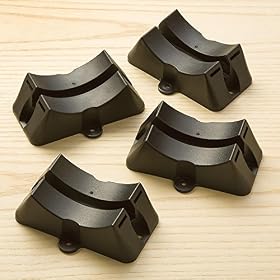
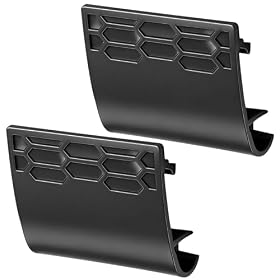
A wall-mount kit can keep a shop vac off the floor and make hose storage easier, but the right kit must match the vacuum’s shape, weight, and mounting surface.
A wall-mount kit for a shop vac can free up floor space, keep the vacuum easier to reach, and organize the hose and attachments. The important detail is compatibility: many shop vacs are not designed to hang from a generic bracket, so check the vacuum manufacturer’s instructions and the kit’s weight and mounting requirements before drilling.
What a shop vac wall-mount kit does
A wall-mount setup usually includes a bracket, hardware, or a storage rail that supports the vacuum or keeps its hose and accessories organized. Designs vary considerably:
Vacuum-support brackets hold the body or base of the shop vac off the floor.
Hose and accessory organizers mount to the wall but leave the vacuum on the floor.
Shelf-style systems support the vacuum on a platform rather than hanging it by a handle or tank.
Manufacturer-specific mounts fit selected vacuum models and may provide the most predictable alignment.
A wall organizer for the hose is often the safer choice when the vacuum is large, has a full drum, or lacks a clearly approved hanging point.
Check compatibility before buying
Do not assume that a kit labeled “universal” will safely support every shop vac. Check these points first:
Vacuum design and mounting points
Look for instructions that identify compatible models or explain where the bracket contacts the vacuum. Avoid hanging a machine from a removable handle, cord hook, lid latch, hose port, or thin plastic panel unless the manufacturer specifically allows it.
A kit should support the vacuum through a strong structural area. If the instructions do not clearly show how the load is carried, choose a floor-supported shelf or a wall-mounted accessory holder instead.
Weight and operating condition
Consider the vacuum’s weight with the parts normally attached. A drum containing liquid or debris can weigh much more than an empty unit. For that reason, many wall-mounted arrangements are better suited to an empty, compact vacuum than to a large wet-dry machine used for heavy cleanup.
Never exceed the kit’s stated load limit. If no load limit is provided, contact the manufacturer rather than estimating its capacity.
Wall type
The included hardware may work for one wall type but not another. Installation requirements differ for:
Wood studs
Plywood or other structural panels
Concrete or masonry
Drywall without a stud
Metal framing
A bracket attached only to drywall may pull out under repeated loading, especially when the vacuum is bumped or removed. For drywall, position the mount over suitable framing or use fasteners specifically rated for the actual wall and load. Follow the bracket instructions, and consult a qualified professional if the wall structure or load is uncertain.
Hose and power-cord layout
Measure the wall area before buying. The vacuum needs clearance for the lid, filter, drum, power switch, and hose connection. Leave enough room to remove the drum or open the lid for filter service.
Plan the hose route as well. A tight bend can restrict airflow, while a hose hanging across a walkway creates a trip hazard. The outlet should be close enough that the cord does not need an extension cord in a wet or crowded work area.
Product prices and availability are accurate as of the date/time indicated and are subject to change. Any price and availability information displayed on Amazon.com at the time of purchase will apply to the purchase of this product.
Wall-mount kit versus wall-mounted hose storage
Mounting only the hose and accessories is usually the more flexible option. It works with more shop vac sizes, does not place the machine’s full weight on the wall, and still clears the floor around a workbench.
A full vacuum-support mount makes more sense when:
The vacuum is compact and light enough for the approved bracket.
The manufacturer identifies a suitable mounting point.
The wall has adequate structural support.
The drum can be emptied before storage.
You need the vacuum raised for a specific workstation or dust-collection setup.
Keep the vacuum on the floor or use a shelf when it is large, frequently moved, regularly used for liquid pickup, or difficult to lift safely.
Product prices and availability are accurate as of the date/time indicated and are subject to change. Any price and availability information displayed on Amazon.com at the time of purchase will apply to the purchase of this product.
How to install a shop vac wall mount safely
Read both sets of instructions. Check the vacuum manual and the mounting kit instructions for model restrictions, load limits, and approved hardware.
Choose a structural location. Locate a stud, structural panel, or suitable masonry attachment point as required by the kit.
Mark the bracket carefully. Confirm that the vacuum, lid, hose, and cord will have clearance before drilling.
Use the specified fasteners. Do not substitute light-duty screws simply because they fit the holes.
Tighten without damaging the wall or bracket. Over-tightening can deform plastic parts or crush drywall.
Check the mount before loading it. Apply gentle hand pressure and look for movement, fastener pullout, or wall damage.
Load an empty vacuum first. Make sure it sits fully in the bracket and does not interfere with the hose port, switch, filter access, or power cord.
Recheck after use. Vibration and repeated lifting can loosen hardware over time.
Disconnect the vacuum from power before installation or adjustment. If the mount is above shoulder height, use safe lifting practices and get help with a heavy machine.
Product prices and availability are accurate as of the date/time indicated and are subject to change. Any price and availability information displayed on Amazon.com at the time of purchase will apply to the purchase of this product.
Common problems after installation
The vacuum shifts or tilts
The bracket may not be fully engaged, the vacuum may be outside the kit’s compatibility range, or the wall fasteners may be inadequate. Remove the vacuum and inspect the contact points and fasteners. Do not keep using a mount that flexes or allows the machine to slide.
The hose kinks or airflow drops
Reposition the hose holder so the hose leaves the vacuum in a gradual curve. Check for a blocked hose, clogged filter, or full drum as well. Wall storage does not correct an airflow restriction inside the vacuum.
The lid or drum cannot be removed
The mount may be too close to a shelf, adjacent wall, or overhead obstruction. The vacuum must have enough clearance for routine filter cleaning, bag changes, and wet pickup cleanup. Relocate the mount rather than forcing the drum or lid.
The wall fasteners loosen
Stop loading the mount and inspect the wall surface. The fasteners may be wrong for the wall, the bracket may be attached outside a stud, or the vacuum may exceed the permitted load. Repair the mounting surface before reinstalling, or switch to a floor-based storage solution.
When a wall-mount kit is not the right solution
Choose a floor stand, rolling base, shelf, or hose organizer instead when the vacuum is heavy, the wall is unsuitable, or the manufacturer does not approve hanging storage. Replacing a damaged bracket or wall is far more expensive than choosing a supported storage method initially.
A replacement mount is reasonable when the original bracket is cracked, bent, missing hardware, or no longer holds the vacuum securely. Replace the vacuum itself only when its tank, mounting points, or other structural parts are damaged and safe support cannot be restored with an approved replacement part.
No. Compatibility depends on the vacuum’s design, weight, approved mounting points, and the wall structure. A hose organizer or shelf is often more suitable than a bracket that suspends the entire vacuum.
Is it safe to store a shop vac full of water on a wall mount?
Generally, no. Water and debris add substantial weight and can exceed the mount’s load limit. Empty the drum before storage unless the manufacturer and mounting system specifically approve another arrangement.
Can I install a shop vac wall mount on drywall?
Only when the mounting method and fasteners are rated for the wall and expected load. Attaching a heavy vacuum mount to drywall alone may not provide adequate support; a stud, structural backing, or suitable masonry attachment is usually needed.
What should I do if my shop vac does not fit the wall bracket?
Do not modify the bracket or force the vacuum into place. Check the compatibility list and contact the manufacturer for an approved mount. If none is available, use a wall-mounted hose organizer or a floor-supported shelf.