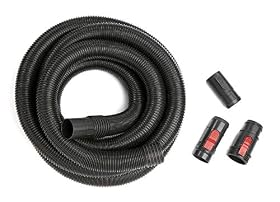
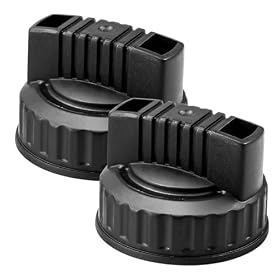
A shop vac that will not pick up water usually has a wet-pickup setup problem, clogged hose, blocked filter, leaking seal, or an activated float shutoff. Use these checks to find the cause safely.
A shop vac that will not pick up water usually has a blocked or incorrect filter, a clogged hose, an air leak, or a float shutoff that has activated. Unplug the vacuum before inspecting it, keep electrical connections dry, and follow the owner’s manual because wet-pickup requirements vary by model.
1. Check the filter first
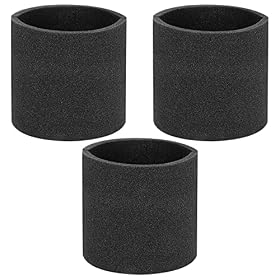
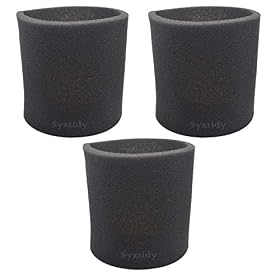
Many wet-dry vacuums require the paper dust bag or paper cartridge filter to be removed before picking up water. Other models use a foam wet filter or a specific filter assembly. Using the wrong filter can restrict airflow, damage the filter, or prevent effective pickup.
Turn the vacuum off and unplug it.
Remove the motor head according to the manual.
Confirm that the filter is approved for wet pickup.
Check whether the filter is saturated, collapsed, coated with dust, or packed with debris.
Replace a damaged filter rather than trying to clean or reuse it if the manufacturer does not permit that.
Do not operate the vacuum without a required filter. If the manual is unclear, identify the exact model and check its wet-pickup instructions before continuing.
2. Inspect the hose and nozzle for a clog
A small blockage can stop water from reaching the drum even though the motor still runs.
Disconnect the hose from the vacuum.
Look through it for a visible obstruction.
Check the nozzle, floor tool, wand, and hose ends.
Clear the blockage with a suitable flexible object or by flushing only if the hose manufacturer permits it.
Let any rinsed parts dry before reconnecting them.
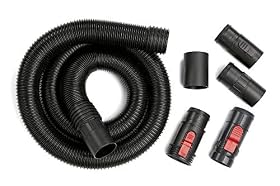
If the vacuum has suction at the inlet but not at the end of the hose, the hose or attachment is restricted. A cracked, crushed, or internally separated hose may also need replacement.
Product prices and availability are accurate as of the date/time indicated and are subject to change. Any price and availability information displayed on Amazon.com at the time of purchase will apply to the purchase of this product.
3. Check the float shutoff
Wet-dry vacuums commonly have a float that rises when the drum fills. It closes the airflow path to help prevent water from entering the motor. If it is stuck in the raised position, the vacuum may run without picking up water.
With the vacuum unplugged, inspect the float cage or shutoff area for debris. Make sure the float moves freely and is not jammed against the cage. Do not remove or bypass the float shutoff; it is a safety feature. If the mechanism is broken or remains stuck, replace the approved part or have the vacuum serviced.
Product prices and availability are accurate as of the date/time indicated and are subject to change. Any price and availability information displayed on Amazon.com at the time of purchase will apply to the purchase of this product.
4. Look for air leaks around the hose and lid
Water pickup depends on sealed airflow. Check the following areas:
Hose connections
Lid latches
Drum-to-lid gasket
Drain cap and drain seal
Cracks in the drum or hose
Loose inlet fittings
Close all latches fully and tighten the drain cap by hand if the design requires it. Replace a split gasket or damaged seal. Do not use tape as a permanent repair where it could interfere with the lid, drain, or float mechanism.
Product prices and availability are accurate as of the date/time indicated and are subject to change. Any price and availability information displayed on Amazon.com at the time of purchase will apply to the purchase of this product.
5. Confirm the setup
Make sure the hose is connected to the vacuum inlet, not an exhaust or accessory port. Use the wet-pickup nozzle when available, and keep the nozzle flat enough to maintain contact with the surface without sealing completely to it.
Also check whether the vacuum has a separate port or setting for wet pickup. Some models require a particular hose, filter, float position, or attachment. Manufacturer instructions take priority over general shop-vac advice.
6. Empty the drum and check the drain
A full drum can activate the float shutoff and stop water pickup. Turn the vacuum off, unplug it, and empty the drum before testing again. Check that the drain valve or cap is closed and not leaking air.
Do not continue vacuuming liquid after the float shuts off. Empty the drum and allow the motor head and other parts to dry as directed by the manual.
7. Consider the motor or electrical supply last
If the hose is clear, the wet filter setup is correct, the seals are intact, the float moves freely, and the drum is empty, the problem may be weak airflow from the motor or an electrical fault.
Stop using the vacuum if it smells hot, makes unusual noises, sparks, trips a breaker, or runs intermittently. Do not open the motor housing unless you are qualified and the manufacturer specifically permits service. A repair center can check the motor, switch, wiring, and internal airflow path.
When to replace a part or the vacuum
A replacement filter, hose, gasket, drain cap, or float assembly is reasonable when that part is visibly damaged and the vacuum’s motor still operates normally. Match the replacement to the exact model; fit and wet-use approval matter more than appearance.
Replacement of the entire vacuum may make more sense when the drum is cracked, the lid no longer seals, replacement parts are unavailable, or the motor has failed on an older or heavily worn unit. Choose a model rated for the type and amount of liquid you need to collect, and verify its wet-pickup instructions before use.
Safety reminders
Unplug the vacuum before removing the motor head, filter, hose, or float assembly.
Keep the plug, outlet, extension-cord connection, and motor head away from standing water.
Never use a shop vac to collect flammable liquids unless the manufacturer explicitly rates it for that purpose.
Do not vacuum liquids containing hazardous chemicals, biological waste, or unknown substances without suitable equipment and procedures.
Let components dry as directed before switching back to dry pickup.
FAQ
Why does my shop vac run but not pick up water?
The most common causes are an incorrect or saturated filter, clogged hose or nozzle, stuck float shutoff, air leak, full drum, or incorrect wet-pickup setup. Check these in that order with the vacuum unplugged.
Should I remove the filter to pick up water with a shop vac?
It depends on the model. Some wet-dry vacuums require the dry filter or paper bag to be removed, while others require a foam wet filter or another approved setup. Follow the owner’s manual and do not operate without any filter if one is required.
How do I know if the float shutoff is stuck?
With the vacuum unplugged, inspect the float cage and confirm that the float moves freely. Debris, a damaged cage, or a misaligned part can hold it in the shutoff position. Never bypass the float because it protects the motor from liquid.
Can I use a shop vac to pick up any liquid?
No. Use it only for liquids allowed by the manufacturer. Avoid flammable, hazardous, corrosive, biological, or unknown liquids unless the vacuum and your safety procedures are specifically rated for them.