A shop vac can collect loose screws and nails quickly, but the right setup matters. Look for a durable wet-dry vacuum, a hose that will not clog easily, and a collection method that lets you recover the hardware without damaging the vacuum.
A shop vac is useful for picking up loose screws and nails from floors, workbenches, and construction areas, especially when sweeping would leave sharp pieces behind. Choose a wet-dry vacuum with a durable collection canister, a suitable hose diameter, and an attachment that gives you control around corners and cracks. Avoid vacuuming hot metal, live electrical parts, or large amounts of flammable dust.
What to look for in a shop vac for screws and nails
Durable collection components
Screws and nails are heavier and sharper than ordinary dust. A wet-dry shop vacuum is generally a better choice than a household vacuum because its canister, hose, and internal components are designed for workshop debris. Check the manufacturer’s instructions for acceptable materials before vacuuming a large quantity of metal hardware.
A metal canister or a heavy-duty plastic canister can both work. The important points are that the collection container is easy to empty and that the vacuum is intended for workshop use. If you regularly collect large quantities of fasteners, an easily removable drum or a collection system that keeps debris away from the filter is especially convenient.
A hose that balances control and clog resistance
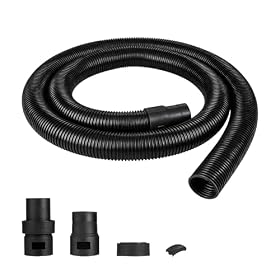
A narrow hose can reach tight spaces, but screws and nails are more likely to bridge across it or become lodged at bends. A wider hose is usually the safer general-purpose choice for loose hardware and larger debris. The best size depends on the vacuum and the debris you expect to collect; use only compatible hoses and adapters.
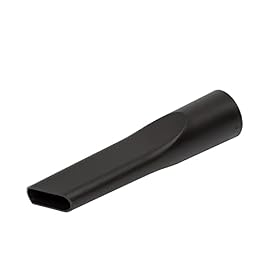
A shorter hose may also be easier to control around a workbench. For cracks, corners, and spaces between floorboards, a crevice tool can improve pickup without requiring you to drag the hose directly across every surface.
A filter suited to the surrounding debris
The screws and nails themselves do not require fine filtration, since they should remain in the collection drum. However, construction areas often contain sawdust, drywall dust, or other fine particles. Use the filter recommended by the vacuum manufacturer for that debris.
Do not remove the filter simply because you are collecting dry metal. A filter is still needed for dry operation on most shop vacs, and running the vacuum with an incorrect or missing filter can allow dust into the motor area. If the filter is packed with dust, suction may drop before the vacuum can pick up heavier fasteners.
Easy hardware recovery
If you want to reuse the screws or nails, consider how you will separate them from dust and debris. A disposable collection bag may make cleanup easier, but it can also make recovering individual fasteners less convenient. Emptying the drum into a tray or shallow container may be better when the hardware is valuable or needs to be sorted.
Some users place a compatible disposable liner or collection method inside the drum. Only use accessories approved for that vacuum, and make sure the liner does not block the inlet or interfere with the float mechanism.
Can a shop vac pick up nails and screws safely?
It can usually pick up small, loose nails and screws when the vacuum is used as directed, but follow a few precautions:
Do not vacuum hot, glowing, or recently cut metal. Heat can damage the hose, filter, bag, or other components and may create a fire risk.
Do not vacuum live electrical parts, loose wiring, or debris from an energized circuit.
Do not use a standard shop vac in an area with combustible dust, vapors, or liquids unless the vacuum is specifically rated for that environment.
Keep fingers away from the hose opening while the vacuum is running.
Inspect the hose after collecting sharp or unusually large hardware.
Disconnect power before clearing a blockage or opening the canister.
If a nail or screw is stuck in the hose, turn off and unplug the vacuum first. Remove the hose according to the manufacturer’s instructions and work the obstruction out from the least restrictive end. Do not push a sharp object deeper into the hose or reach into the inlet while the motor can start.
Product prices and availability are accurate as of the date/time indicated and are subject to change. Any price and availability information displayed on Amazon.com at the time of purchase will apply to the purchase of this product.
Best setup for picking up fasteners
A practical setup is a dry-use shop vac with its correct dry filter installed, a hose that is wide enough for the hardware, and a basic floor nozzle or crevice tool. For a workbench, hold the nozzle just above the surface rather than pressing it down; this makes it easier to guide individual screws and nails into the airflow.
For a floor, use slow overlapping passes. Nails can lie flat with the point facing away from the nozzle, so make a second pass from another direction if you are clearing a work area where stepping on a missed fastener would be a concern.
If the area also contains large wood scraps, wire, or chunks of drywall, remove the largest pieces by hand first. This reduces the chance of a clog and prevents the vacuum from ingesting debris that could damage the hose or impeller.
Product prices and availability are accurate as of the date/time indicated and are subject to change. Any price and availability information displayed on Amazon.com at the time of purchase will apply to the purchase of this product.
When a shop vac is not the best tool
A shop vac may be inconvenient if you only need to collect a few fasteners from a clean workbench. A hand magnet, magnetic pickup tool, or manual sweep may be faster and avoids sending metal through the hose. These tools are also useful for checking whether nails or screws remain after vacuuming.
A vacuum is more useful when the fasteners are mixed with sawdust, dirt, or other loose debris, or when they are scattered across a larger floor area. If you routinely pick up sharp metal, choose a vacuum and hose intended for workshop debris rather than adapting a lightweight household vacuum.
Product prices and availability are accurate as of the date/time indicated and are subject to change. Any price and availability information displayed on Amazon.com at the time of purchase will apply to the purchase of this product.
Troubleshooting poor pickup
The filter is clogged
Check the filter first, particularly if the vacuum has also been used for sawdust or drywall dust. Clean or replace it according to the manufacturer’s instructions. A filter that looks clean may still be restricted if fine dust has compacted into the media.
The hose or nozzle is blocked
Turn off and unplug the vacuum, then check the nozzle, hose ends, bends, and inlet. Small screws can lodge sideways in a narrow tool or at an adapter. Clear the obstruction without forcing sharp hardware farther into the hose.
The hose connection leaks
A loose connection reduces airflow at the nozzle. Confirm that the hose is fully seated and that any adapter is the correct type for the vacuum. Replace a cracked hose or damaged connector rather than relying on a temporary seal around sharp debris.
The collection drum or bag is full
Heavy fasteners can occupy more space than expected. Empty the drum or replace the bag before the inlet becomes buried. Make sure the bag is the correct type and installed without blocking airflow.
The vacuum still has weak suction
After checking the filter, hose, connections, and collection container, inspect the nozzle for wear and confirm that the vacuum is assembled for dry pickup. If airflow remains poor, the motor, switch, or internal fan may need service. Unplug the vacuum and follow the manufacturer’s service guidance; electrical repairs are best handled by a qualified technician.
Bottom line
For picking up screws and nails, prioritize a durable wet-dry shop vac, a compatible hose that is not unnecessarily narrow, reliable dry filtration, and an easy way to empty or sort the collected hardware. Use a magnet or manual pickup tool for small, clean jobs, and reserve the vacuum for mixed debris or larger areas. Always remove hot metal and electrical hazards by hand only when it is safe to do so, and follow the vacuum’s instructions for acceptable debris.
FAQ
Will screws and nails damage a shop vac?
Small, loose screws and nails are generally suitable for a workshop-rated wet-dry vacuum when the manufacturer permits this use. Sharp, oversized, hot, or tangled metal can damage a hose or internal components, so remove unusual debris by hand and inspect the hose after use.
Should I use a filter when vacuuming screws and nails?
For dry operation, use the filter specified by the manufacturer. The fasteners do not need fine filtration, but the surrounding dust does, and operating without the correct filter can allow debris into the motor area.
What hose size is best for picking up nails?
Use a compatible hose wide enough for the fasteners and other debris in the work area. Very narrow hoses and tight adapters are more prone to clogging, while a smaller crevice tool can help with controlled pickup in narrow spaces.
Can I vacuum hot nails or metal shavings?
Do not vacuum hot, glowing, or recently cut metal unless the vacuum is specifically designed and rated for it. Heat can damage the vacuum and create a fire hazard.
Is a shop vac better than a magnet for screws and nails?
A magnet or magnetic pickup tool is often faster for a few clean ferrous screws or nails and makes recovery easy. A shop vac is more useful when the hardware is mixed with dust or spread across a larger area. A magnet will not pick up every type of metal.