Is a Cheap Shop Vac Worth Buying? What to Check Before You Buy
A cheap shop vac is often worth buying for occasional dust, dirt, and liquid cleanup—but only if its filtration, hose, tank, warranty, and replacement parts fit the job.
A cheap shop vac can be worth buying if you need occasional cleanup in a garage, workshop, car, or basement. The low purchase price becomes less attractive when the vacuum has weak filtration, a restrictive hose, poor seals, difficult-to-find replacement parts, or a motor that is not suited to frequent use.
The right question is not simply whether the vac is inexpensive. It is whether it can handle your materials and expected workload without creating safety, performance, or replacement-cost problems.
When a cheap shop vac makes sense
A low-cost model is usually a reasonable choice for light-duty jobs such as:
Picking up dry dirt, leaves, sawdust, and small debris
Cleaning vehicle interiors
Handling occasional spills
Clearing a garage or utility room
Supporting simple home repairs
Serving as a backup vacuum
For these tasks, you may not need a large drum, long hose, high airflow, or specialized attachments. A compact vacuum can also be easier to store and carry.
A budget model is less suitable when you expect to use it for long sessions, collect fine dust regularly, extract large amounts of water, or connect it to power tools every day. Those jobs place more demand on the filter system, motor cooling, hose design, and container capacity.
Product prices and availability are accurate as of the date/time indicated and are subject to change. Any price and availability information displayed on Amazon.com at the time of purchase will apply to the purchase of this product.
What to check before buying
1. Filtration and filter availability
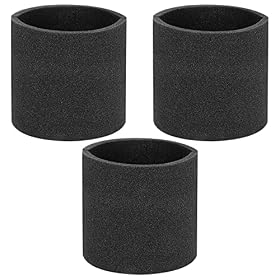
The filter is one of the most important parts of a shop vac. A basic cartridge filter may be adequate for general dirt and coarse debris, but fine dust can pass through or clog it quickly if the filter is not designed for that material.
Check whether the vacuum supports the filter type you need and whether replacement filters are readily available. If you plan to collect drywall dust, concrete dust, ash, or other very fine particles, follow the manufacturer’s instructions carefully. A standard shop vac should not automatically be treated as a substitute for a dust extractor or a vacuum designed for hazardous materials.
A low purchase price is less useful if replacement filters are unavailable or cost nearly as much as the vacuum.
2. Hose diameter and length
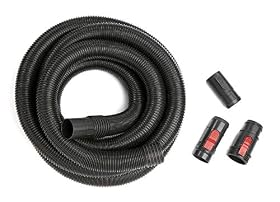
A narrow hose may be easier to store, but it can restrict airflow and clog more readily with larger debris. A larger hose is generally more useful for wood chips, leaves, and heavier cleanup, while a smaller hose may be adequate for car interiors and light household debris.
Check the hose length and the connection size before buying. Some inexpensive vacuums use proprietary connections or adapters, which can limit your choice of replacement hoses and accessories.
3. Tank capacity and drain design
Tank size affects how often you must stop to empty the vacuum. A small tank can be perfectly practical for quick jobs and is usually easier to carry. A larger tank is more convenient for water cleanup or extended work, but it adds weight and storage requirements.
For wet pickup, look for clear instructions about maximum fill level and whether the unit has a drain or a practical way to empty it. Never assume that a dry filter can remain installed during wet pickup; use the configuration specified by the manufacturer.
4. Seals, latches, and construction
A shop vac depends on an airtight path from the hose inlet through the tank and filter. Loose latches, a damaged lid gasket, or a poorly fitting hose can reduce suction even when the motor is working normally.
Inspect product photos and specifications for:
A secure lid and latches
A replaceable or durable gasket
A hose connection that does not wobble excessively
Stable casters or a usable carrying handle
A power cord long enough for your normal workspace
Plastic construction is not automatically a problem. The issue is whether the parts that receive repeated stress—such as latches, hose connectors, wheels, and switches—are practical to replace or likely to fail during normal use.
5. Motor and performance claims
Manufacturers may describe shop vac motors using terms such as peak horsepower, watts, sealed suction, or airflow. These figures are not always directly comparable between brands or models, so avoid choosing solely by the largest number on the package.
Consider the complete setup instead: hose diameter, filter condition, tank design, and whether airflow is measured with or without restrictions. A vacuum with a more modest headline rating may perform better for your application if it has a suitable hose and filter system.
For power-tool dust collection, compatibility with the tool, hose, adapter, and filter is usually more important than a marketing claim about maximum motor power.
Product prices and availability are accurate as of the date/time indicated and are subject to change. Any price and availability information displayed on Amazon.com at the time of purchase will apply to the purchase of this product.
The hidden cost of a cheap shop vac
Compare the likely total cost, not just the shelf price. You may eventually need:
Replacement cartridge or foam filters
Dust bags, if the model uses them
A better hose or tool adapter
Crevice tools or floor nozzles
Replacement wheels, latches, or gaskets
A second vacuum for fine dust or wet pickup
A budget vacuum can still be a good value if replacement parts are easy to find and the accessories match your work. It may be a poor value if the first broken attachment or clogged filter makes the entire unit difficult to use.
Before purchasing, search for the exact replacement filter and hose style—not just the vacuum itself. If you cannot identify those parts, consider choosing a model with a better-documented support system.
Product prices and availability are accurate as of the date/time indicated and are subject to change. Any price and availability information displayed on Amazon.com at the time of purchase will apply to the purchase of this product.
When paying more is justified
A more expensive shop vac may be worthwhile when you need any of the following:
A tool-activated outlet or other specialized feature
Readily available replacement parts
Paying more does not guarantee that every model is better. Match the upgrade to a specific need instead of buying features you will not use.
When a cheap shop vac is the wrong choice
Avoid treating a basic shop vac as the right tool for every material. Use extra caution with:
Combustible or explosive dust
Hot ashes or embers
Hazardous chemicals
Mold, lead, asbestos, or contaminated debris
Large quantities of very fine dust
Flammable liquids
Follow the manufacturer’s restrictions and applicable safety guidance. If the job involves hazardous materials or unusual dust, use equipment specifically rated for that purpose or consult a qualified professional.
A practical buying rule
A cheap shop vac is worth buying when all of these statements are true:
Your jobs are occasional or light duty.
The hose and tank size fit the debris you expect to collect.
The correct filters and other wear parts are available.
The unit has adequate wet/dry instructions for your intended use.
You can accept shorter service life or fewer convenience features.
If you expect daily use, fine-dust collection, extensive wet pickup, or dependable power-tool extraction, spend more on the features that directly support that work. The cheapest vacuum is rarely the best value when it must be replaced or heavily modified soon after purchase.
Bottom line
A cheap shop vac is worth buying for straightforward, occasional cleanup when its filter system, hose, tank, and replacement parts are suitable. For demanding workshop use, fine dust, or frequent wet pickup, a better-supported model can cost less over time by working more reliably and accepting the accessories you need.
FAQ
How long should a cheap shop vac last?
Service life varies with workload, dust type, maintenance, and build quality. Occasional light use is less demanding than daily workshop use. Keeping the filter clean, avoiding overfilling, and using the correct wet or dry configuration can help, but no fixed lifespan should be assumed.
Is a small shop vac powerful enough for a car?
Often, yes. A small shop vac can work well for seats, floor mats, and general interior debris if the hose and attachments are practical. A narrow hose may be useful in tight spaces, while a larger hose may clear heavier debris more easily.
Can I use a cheap shop vac for sawdust?
It may be suitable for ordinary coarse sawdust if the filter and hose are appropriate. Fine dust can clog a standard filter quickly and may pass through it, so follow the vacuum and tool manufacturer’s dust-collection guidance and use suitable filtration.
Should I buy a used cheap shop vac instead?
A used unit can be worthwhile if the motor runs smoothly, the tank seals properly, the hose and cord are undamaged, and replacement filters are available. Avoid a unit with a burning smell, damaged insulation, cracked housing, missing wet-pickup parts, or severe air leaks.