
A dirty shop vac filter can reduce suction, make the motor run hotter, and send fine dust back into the room. To clean it safely, unplug the vacuum, identify the filter type, remove loose debris outdoors, and follow the filter manufacturer’s washing and drying instructions. Not every shop vac filter is washable, and a filter used for wet pickup must be completely dry before it goes back into the vacuum.
Filters & Dust · Mon Sep 07
How to clean a shop vac filter
Cleaning a shop vac filter correctly helps restore airflow and prevents dust from bypassing the filter. Use the method that matches your filter type and the material it collected.
Before cleaning the filter
- Unplug the shop vac. Do not clean or remove the filter while the vacuum is connected to power.
- Move the vacuum outdoors or to a well-ventilated area if the filter is covered in fine dust.
- Check the owner’s manual. Filter designs and cleaning instructions vary by model.
- Identify the filter type. Common types include pleated cartridge filters, foam sleeves, and reusable cloth filters.
- Check whether the filter is damaged. Tears, holes, crushed pleats, loose end caps, or a poor-fitting seal are reasons to replace it rather than clean it.
If the vacuum collected hazardous dust, mold, ash, lead paint debris, or other regulated material, use the cleanup procedure and protective equipment specified for that material. Do not shake contaminated dust into the air.
Replacement pleated cartridge filter
 STANLEY Vacuum Filter Replacement 08-2501, Fit for Most 5-18 Gallon Wet Dry Vacuum Cleaner, Compatible…STANLEY
$13.65 as of
View on Amazon 2 PACK Replacement Filters Compatible with Shop Vac 90304 90333 90350, Reusable and Washable Cartridge…TidiRob
$22.99 as of
View on Amazon 2 Pack 38754 Filters Fit for Craftsman Wet Dry CMXZVBE38754 Fit 5–20 GallonVitalumix
$19.69 as of
View on Amazon
Product prices and availability are accurate as of the date/time indicated and are subject to change. Any price and availability information displayed on Amazon.com at the time of purchase will apply to the purchase of this product.
How to clean a pleated cartridge filter
Pleated cartridge filters are common in wet-dry shop vacuums. Some are washable, while others are intended for dry cleaning only, so confirm the instructions before using water.
For a filter marked washable
- Remove the filter from the vacuum according to the manual.
- Tap or gently brush loose dust from the outside. Work outdoors and avoid striking the filter against a hard surface.
- Rinse with cool or lukewarm water, usually from the clean side toward the dirty side if the manufacturer permits this. This can help push debris out of the pleats instead of driving it deeper.
- Continue until the water runs mostly clear. Do not use a pressure washer or a forceful spray that could damage the filter media.
- Set the filter in a ventilated place until it is completely dry.
- Inspect the pleats and sealing surfaces before reinstalling it.
Do not reinstall a damp cartridge filter for dry vacuuming. Moisture can restrict airflow, damage some filter materials, and contribute to mold or odor. Drying time depends on the filter, humidity, and airflow; the filter should feel dry throughout, not just on the outside.
For a filter marked dry-clean only
Tap the filter gently outdoors or use a soft brush to remove loose debris. Avoid washing it unless the manufacturer specifically allows it. Blowing compressed air through pleated media can damage the filter or spread fine dust, so do not use compressed air unless the instructions approve that method and you can control the dust safely.
A filter that remains heavily clogged after gentle cleaning, or one that has damaged pleats or a deteriorated gasket, should be replaced.
Replacement foam wet pickup filter
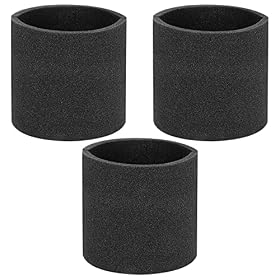 3 Pack 90585 Foam Sleeve VF2001 Foam Filter Replacements for Shop-VacLINNIW
$10.94 as of
View on Amazon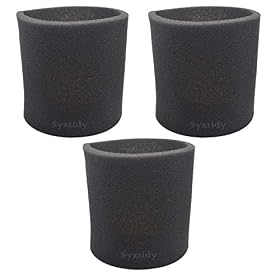 Syxtidy Filters for Shop-Vac 5-16 Gallon 90585 Foam Sleeve VF2001,3 PackSyxtidy
$9.89 as of
View on Amazon HASMX Small Foam Filter Sleeve Replacement for Shop Vac Type CC 9052600 90526 905-26 905-26-00…HASMX
$6.99 as of
View on Amazon
Product prices and availability are accurate as of the date/time indicated and are subject to change. Any price and availability information displayed on Amazon.com at the time of purchase will apply to the purchase of this product.
How to clean a foam shop vac filter
Foam sleeves are generally used for wet pickup, but the correct application depends on the vacuum and filter design.
- Remove the foam sleeve and shake off loose debris.
- Rinse it with clean water.
- If the manual allows soap, use a small amount of mild detergent. Avoid solvents, bleach, and harsh cleaners unless specifically approved.
- Rinse until no soap remains.
- Squeeze gently or press the foam between clean towels. Do not twist or wring it aggressively, since that can tear the foam.
- Let it air-dry completely before reinstalling it.
Replace foam if it is torn, permanently flattened, brittle, or no longer fits tightly around its support or mounting area.
How to clean a reusable cloth filter
Remove the cloth filter and empty loose dust outdoors. Follow the care instructions for washing. Some cloth filters can be rinsed, while others should only be brushed or shaken clean.
If washing is allowed, use clean water and mild detergent when specified. Rinse thoroughly and air-dry completely. Do not put the filter back in the vacuum while damp. A cloth filter with thinning fabric, holes, a damaged seam, or a stretched opening should be replaced.
Cleaning the filter after wet pickup
After collecting water or other approved liquids, turn off and unplug the shop vac before opening the drum. Remove the wet-use filter if the instructions call for removing it, then rinse and dry it as directed.
Also check the drum, float mechanism, and filter cage for debris. A float that is stuck or obstructed may not shut off airflow correctly when the drum fills. Empty the drum and allow any moisture around the filter area to dry before switching back to dry pickup.
Never assume a standard dry cartridge filter can be used for wet pickup. Use the filter arrangement specified by the vacuum manufacturer.
What not to do
- Do not clean a powered-on or plugged-in shop vac.
- Do not use water on a filter labeled dry-clean only.
- Do not reinstall a wet filter for dry debris.
- Do not scrape pleats with a sharp tool.
- Do not use high-pressure air or water unless approved by the manufacturer.
- Do not vacuum fine hazardous dust with a damaged or incorrect filter.
- Do not substitute a filter that does not seal correctly around the filter cage or mounting surface.
When to replace the filter
Cleaning is not a permanent fix when the filter media or seal is worn out. Replace the filter if you see holes, tears, missing pleats, loose end caps, a damaged gasket, heavy embedded dust, mildew that cannot be removed, or a fit that allows dust to bypass the filter.
Use the replacement filter specified for your vacuum’s model and application. The filter’s physical fit, filtration rating, wet-or-dry compatibility, and seal all matter. A filter that looks similar may still restrict airflow or fail to contain fine dust.
If the shop vac still has weak suction
A dirty filter is only one possible cause. After cleaning or replacing it, check these items in order:
- Filter condition and fit: Make sure the filter is dry, seated correctly, and not blocked or damaged.
- Hose and attachments: Disconnect the hose and inspect both ends for a clog. Check floor nozzles, wands, and reducers separately.
- Leaks: Look for a loose hose connection, cracked hose, missing gasket, or poorly seated lid.
- Setup: Confirm the filter and wet/dry configuration match the material being collected.
- Full drum or bag: Empty the collection drum or replace a full collection bag if the vacuum uses one.
- Motor or electrical components: If the vacuum still loses power, smells hot, trips a breaker, makes an unusual noise, or will not start, unplug it and stop using it. Have it inspected according to the manufacturer’s instructions or by a qualified service professional.
If the vacuum is old, has persistent motor problems, or needs several unavailable replacement parts, replacing the unit may be more practical than continuing to repair it.
FAQ
Can you wash a shop vac cartridge filter?
Only if the filter or vacuum manufacturer says it is washable. Some cartridge filters are dry-clean only. When washing is allowed, rinse gently and let the filter dry completely before reinstalling it.
How often should a shop vac filter be cleaned?
Clean it when suction drops, airflow becomes restricted, or the filter has visible dust buildup. Fine, dusty materials may require more frequent cleaning than larger debris.
Can I use a shop vac with a wet filter?
Do not use a damp filter for dry vacuuming. Reinstall the filter only after it is completely dry and the manufacturer’s instructions permit that configuration.
How do I know whether a shop vac filter needs replacing?
Replace it if the media is torn, punctured, crushed, permanently clogged, mildewed, or unable to seal correctly. A filter that cannot contain dust after cleaning should not remain in service.