
A shop vac filter does not have one universal replacement schedule. Replace it when it is torn, misshapen, saturated, or still restricts airflow after proper cleaning. With normal dry pickup, a quality filter may last months or longer; heavy fine-dust use can shorten its life substantially. Always follow the filter and vacuum manufacturer’s instructions first.
Filters & Dust · Mon Sep 07
How often to replace a shop vac filter
Replace a shop vac filter when it is damaged, permanently clogged, or no longer cleans adequately. Cleaning frequency depends on the filter type, material collected, and how often you use the vacuum.
Clean the filter before replacing it
Many shop vac filters need regular cleaning rather than immediate replacement. Turn off and unplug the vacuum, remove the filter according to the owner’s manual, and clean it using the method approved for that filter.
- Cartridge filters: Some are washable, while others should only be tapped out, brushed gently, or replaced. Do not wash a non-washable filter.
- Foam wet filters: Rinse washable foam filters with clean water and let them dry completely before reinstalling them.
- Paper filters: Do not wash them. Replace them when they are clogged, damaged, or difficult to clean without deforming the media.
- HEPA or fine-dust filters: Use the manufacturer’s cleaning instructions. Aggressive brushing or compressed air can damage the filter or force dust deeper into the media.
Never reinstall a wet filter unless the manufacturer specifically allows it. Moisture can damage some filters and may create an environment for mold or odor.
Replacement cartridge filter
 90304 Replacement Filter Kit for Shop Vac Cartridge Filter 90350 90304isinlive
$23.15 as of
View on Amazon 90304 Replacement Filters Fit for shopvac Filter 90304 90350 90333, 13 PackATXKXE
$21.39 as of
View on Amazon Replacement Filter For Shop Vac 90304 90585 Vacuum 5 Gallon and aboveYH Maialan
$18.99 as of
View on Amazon
Product prices and availability are accurate as of the date/time indicated and are subject to change. Any price and availability information displayed on Amazon.com at the time of purchase will apply to the purchase of this product.
How often should you inspect a shop vac filter?
Inspect the filter before each substantial job and whenever suction drops. For occasional household use, checking it every few uses may be sufficient. For drywall dust, concrete dust, sawdust, fireplace ash, or other fine material, inspect it during the job and clean it more often.
A practical schedule is:
- Light, occasional use: Inspect before use and clean when visibly loaded.
- Regular workshop use: Inspect after each dusty project and clean as needed.
- Fine-dust work: Check frequently during the job; use the filter and collection method specified for that material.
- Wet pickup: Remove the dry filter if the manual requires it, and install the correct foam or wet-pickup filter.
The filter may need replacement after only a few demanding jobs if it becomes damaged or permanently restricted.
Fine-dust or HEPA filter
 Replacement for VF6000 Ridgid Shop Vac Filter 5-Layer Hepa Fine Dust FilterGIBTOOL
$24.99 as of
View on Amazon DEWALT Shop Vac HEPA Filter Replacement, 3-Pack Dust Bags & Tool AdapterDEWALT
$45.99 as of
View on Amazon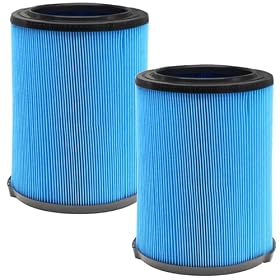 Replacement for VF5000 Ridgid Shop Vac Filter, 3-Layer Fine Dust FilterGIBTOOL
$24.99 as of
View on Amazon
Product prices and availability are accurate as of the date/time indicated and are subject to change. Any price and availability information displayed on Amazon.com at the time of purchase will apply to the purchase of this product.
Signs that a shop vac filter needs replacement
Replace the filter if you see any of these conditions:
Tears, holes, or separated seams
A damaged filter can let dust pass into the motor area or back into the room. Small damage is not reliably fixed with tape or glue because airflow and vibration can reopen the failure.
A crushed or distorted shape
A cartridge or pleated filter that no longer seals or fits correctly may allow unfiltered air around its edges. Replace it rather than forcing it into place.
Clogged pleats that will not clean out
If dust remains packed into the media and suction stays weak after cleaning, the filter is restricting airflow. A replacement is usually the sensible next step.
A damaged gasket or poor seal
The filter’s gasket must contact the filter mount evenly. A hardened, cracked, or flattened seal can cause dust leakage even when the filter material looks intact.
Persistent odor or contamination
A washable foam filter that remains foul-smelling, slimy, or contaminated after washing may be ready for replacement. Do not use a filter that could spread contaminated material through the exhaust.
Reduced suction after correct cleaning
Low suction can have other causes, but a filter that remains restrictive after cleaning is a common one. Check the hose, inlet, seals, collection bag, and drum before concluding that the motor has failed.
Washable foam wet filter
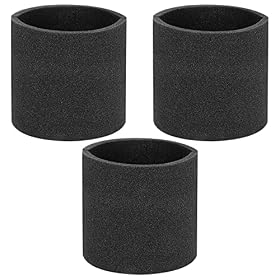 3 Pack 90585 Foam Sleeve VF2001 Foam Filter Replacements for Shop-VacLINNIW
$10.94 as of
View on Amazon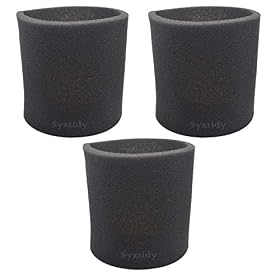 Syxtidy Filters for Shop-Vac 5-16 Gallon 90585 Foam Sleeve VF2001,3 PackSyxtidy
$9.89 as of
View on Amazon Shop-Vac 9052500 Micro Foam Sleeve, Type MM, Effective Filtration, Fits Micro 1 Gallon Wet/Dry Vac…Shop-Vac
$5.86 as of
View on Amazon
Product prices and availability are accurate as of the date/time indicated and are subject to change. Any price and availability information displayed on Amazon.com at the time of purchase will apply to the purchase of this product.
Filter life depends on what you collect
Fine particles load filters much faster than larger debris. Drywall compound, masonry dust, ash, flour, and fine sawdust can quickly block pleats. Wet material can also damage a filter if the vacuum is not configured for wet pickup.
For dusty work, use the correct filter and consider a compatible collection bag, pre-separator, or dust-extraction setup if the manufacturer permits it. These measures can reduce the amount of debris reaching the main filter, but they do not eliminate the need for inspection.
Do not use a standard shop vac filter for hazardous materials such as asbestos, lead-contaminated dust, or other regulated substances unless the complete vacuum and filtration system is specifically rated and approved for that use. Follow applicable safety rules and the material manufacturer’s guidance.
Shop vac collection bags
 5-8 Gallon Vacuum Bag Replacement for 90661 Shop Vac BagsPETOX
$9.98 as of
View on Amazon 3Pcs 10-14 Gallon Vacuum Filter Bags, for Shop Vac Bags 10-14 GallonDTTEOME
$9.99 as of
View on Amazon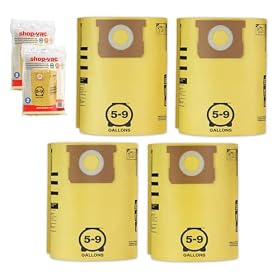 Shop-Vac 90671 Filter Bag for 5-9 Gallon Vacuums, Disposable, 4 Pack YellowShop-Vac
$16.18 as of
View on Amazon
Product prices and availability are accurate as of the date/time indicated and are subject to change. Any price and availability information displayed on Amazon.com at the time of purchase will apply to the purchase of this product.
Choose the correct replacement filter
Compatibility matters more than appearance. Before ordering, check:
- The shop vac’s brand and model or the exact filter part information.
- Whether the filter is cartridge, foam, paper, HEPA, or another type.
- The filter’s height, diameter, mounting style, and gasket shape.
- Whether it is approved for dry pickup, wet pickup, or both.
- Whether the vacuum requires a retaining plate, cage, or separate seal.
A filter that physically fits may still seal poorly or provide the wrong level of filtration. Do not remove a filter unless the manual specifically says it is unnecessary for the cleaning mode. In particular, wet pickup often requires a different filter arrangement rather than no filter at all.
Troubleshoot weak suction before buying a filter
A clogged filter is only one possible cause. With the vacuum unplugged, work through these checks:
- Clean or replace the filter. Confirm that it is dry, correctly seated, and not damaged.
- Check the hose and wand. Remove visible obstructions and make sure the hose is not kinked or collapsed.
- Inspect seals and connections. Look for a loose lid, cracked hose, damaged gasket, or open accessory port.
- Confirm the setup. Use the filter, bag, and attachments intended for the material and pickup mode.
- Empty the drum or replace the collection bag. A full container or bag can reduce airflow.
- Check the motor and electrical supply last. Stop using the vacuum if it smells hot, sparks, repeatedly trips a breaker, or makes unusual electrical noises. Unplug it and follow the manual or contact a qualified repair professional.
If suction remains poor after these checks and a known-compatible replacement filter does not help, the blockage may be deeper in the vacuum or the motor may be worn. For an older, heavily used unit, replacing the vacuum can be more practical than repairing a motor or internal control.
Bottom line
Inspect a shop vac filter frequently, clean it using the approved method, and replace it when it is damaged, permanently clogged, contaminated, or unable to maintain airflow. Fine-dust work requires more frequent attention than ordinary debris pickup. The correct replacement is the one that matches the vacuum model, filter type, seal, and intended wet-or-dry use—not merely one that looks similar.
FAQ
Can I wash a shop vac filter?
Only if the filter manufacturer says it is washable. Washable foam filters commonly can be rinsed, while many paper and cartridge filters must not be washed. Let any washable filter dry completely before reinstalling it.
How do I know whether my shop vac filter is clogged?
Weak suction, dust buildup packed into the pleats, a visibly dirty filter, or reduced airflow after emptying the drum can indicate clogging. First check the hose, seals, collection bag, and drum because they can cause similar symptoms.
Can I use a shop vac without a filter?
Do not do so unless the manufacturer specifically permits that configuration for the task. Operating without the required filter can send dust into the motor or back into the room, and wet pickup may require a particular foam filter or cage arrangement.
How long does a shop vac filter last?
There is no fixed lifespan. A filter may last months or longer with light use, while fine-dust or heavy workshop use can require replacement much sooner. Replace it based on damage, persistent restriction, contamination, and loss of proper sealing.