
Most shop vacs can run on a 15 amp circuit if the vacuum’s rated current is below the circuit’s available capacity and no other high-draw appliances are using the circuit. Check the amperage on the vacuum’s nameplate or manual first. A motor can draw extra current when starting, so a vacuum that appears to fit on paper may still trip a breaker when the circuit is shared or the cord is undersized.
Setup & Use · Mon Sep 07
Can a Shop Vac Run on a 15 Amp Circuit?
Most shop vacs can run on a 15 amp circuit, but the answer depends on the vacuum’s nameplate amperage, startup load, extension cord, and what else shares the circuit.
Check the shop vac’s amp rating
Look for the motor’s current rating on the nameplate, usually near the power cord, switch, or motor housing. Compare that number with the 15 amp circuit:
- A shop vac rated well below 15 amps is generally more suitable for a standard 15 amp branch circuit.
- A vacuum rated near 15 amps leaves little practical capacity for lights, tools, chargers, or other appliances on the same circuit.
- Do not assume that a larger horsepower claim tells you the electrical load. The nameplate amperage is the more useful specification.
- If the nameplate lists voltage and amperage, use the amperage for the circuit check and follow the manufacturer’s instructions.
A 15 amp circuit is not necessarily supplying the full capacity to the vacuum. Other outlets and lights may be connected to the same breaker, and the circuit wiring may be shared throughout a room, garage, or workshop.
Heavy-duty extension cord for shop vac use
 POWTECH Heavy duty 6 FT Air Conditioner and Major Appliance Extension Cord UL Listed 14…POWTECH
$11.55 as of
View on Amazon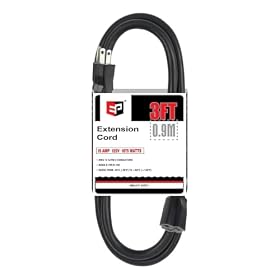 EP 3 Ft Heavy Duty Outdoor Extension Cord, 12/3 SJTW Black 3-ProngEP
$8.99 as of
View on Amazon Heavy Duty Appliance Extension Cord, 14 AWG - 3 Prong Grounded Flat Plug, White Power…ELECTERY
$19.85 as of
View on Amazon
Product prices and availability are accurate as of the date/time indicated and are subject to change. Any price and availability information displayed on Amazon.com at the time of purchase will apply to the purchase of this product.
Why a shop vac may trip the breaker
Motor startup current
Shop vac motors can draw a brief surge of current when they start. This is normal for many motor-driven tools, but it can trip a breaker if the circuit is already heavily loaded or the vacuum is close to the circuit’s limit.
A breaker that trips immediately when the motor starts usually indicates a high starting load, an overloaded circuit, a motor problem, or a short circuit. Do not repeatedly reset the breaker without finding the cause.
Other devices on the circuit
Turn off or unplug other high-current equipment on the same circuit before starting the vacuum. Common contributors include:
- Portable heaters
- Air compressors
- Circular saws and other power tools
- Dust collectors
- Air conditioners
- Refrigerators or freezers
- Battery chargers and shop lighting
If the vacuum runs normally after other equipment is disconnected, the circuit may simply be overloaded rather than defective.
Extension cords
An extension cord that is too long or too small can cause voltage drop, reduced motor performance, overheating, and nuisance breaker trips. If an extension cord is necessary, use one with a conductor size and length approved by the shop vac manufacturer. Keep the cord fully unwound during use and inspect it for cuts, crushed insulation, loose plugs, or heat damage.
Do not use a lightweight household extension cord for a high-powered shop vac unless the manufacturer specifically permits it. A heavier-gauge cord may reduce voltage drop, but it does not increase the amp capacity of the wall circuit.
How to check the circuit safely
- Find the breaker rating. Confirm that the circuit is protected by a 15 amp breaker. Do not replace it with a larger breaker to stop nuisance trips; the breaker must match the circuit wiring and installation.
- Check what else loses power. Turn off the vacuum and identify other outlets, lights, and equipment controlled by the same breaker.
- Read the vacuum nameplate. Note the rated amps and voltage. If the rating is missing or unreadable, consult the manual or manufacturer rather than guessing.
- Remove other loads. Unplug or turn off other substantial loads before trying the vacuum again.
- Inspect the plug and cord. Look for discoloration, looseness, melted plastic, damaged insulation, or unusual warmth. Do not use damaged electrical equipment.
- Try the vacuum without an extension cord. If it runs normally from the wall outlet but trips with an extension cord, the cord may be undersized, too long, damaged, or unsuitable.
- Observe the timing of the trip. An immediate trip points toward starting current, a short, or a motor fault. A trip after several minutes is more consistent with sustained overload, overheating, restricted airflow, or another load on the circuit.
Use a properly grounded outlet and any ground-fault protection required by local code, especially in garages, unfinished areas, outdoors, or locations near water. Do not bypass the ground pin or use adapters that defeat grounding.
When a dedicated circuit is a better choice
A dedicated 15 amp circuit is often the practical choice when the shop vac is used with power tools, runs for long periods, or repeatedly trips a shared circuit. A dedicated circuit does not make a vacuum rated above the circuit’s capacity acceptable; the vacuum still has to be compatible with the circuit and receptacle.
If the vacuum’s nameplate rating is close to 15 amps, the manufacturer calls for a dedicated circuit, or the breaker trips with all other loads disconnected, stop using it until the electrical setup and vacuum are evaluated. A qualified electrician can determine whether the circuit, receptacle, wiring, and protection are suitable.
What to do if the breaker keeps tripping
First, clean or replace a loaded filter and check for a blocked hose or inlet. A restricted shop vac can work harder and run hotter, although airflow problems do not explain every electrical trip. Then inspect the hose, fittings, lid seal, and drum for a setup problem that could be stressing the motor. Empty a full drum or replace a full collection bag if applicable.
If the vacuum still trips a known suitable circuit with no other substantial loads, the problem may be a damaged cord, switch, capacitor, motor, or internal wiring. Unplug the vacuum and follow the manufacturer’s service instructions. Do not open the motor housing or perform electrical repairs unless you are qualified to do so. A replacement part may make sense for a clearly identified, available component; for a badly damaged or older unit, replacing the vacuum can be more reasonable than repairing the motor or wiring.
Bottom line
Yes, a shop vac can often run on a 15 amp circuit, but check the nameplate amperage, remove competing loads, and use a properly sized cord. If it trips the breaker repeatedly, do not install a larger breaker or keep resetting it. Find the overload or equipment fault, and consult a qualified electrician when the circuit or wiring is uncertain.
Related guides
FAQ
Is a 15 amp circuit enough for a shop vac?
Often, yes, if the shop vac’s nameplate amperage is comfortably below 15 amps and no other substantial loads share the circuit. The manufacturer’s circuit requirements take priority.
Can a shop vac trip a 15 amp breaker when it starts?
Yes. The motor may draw a brief starting surge, and that surge can trip a breaker when the circuit is heavily loaded, the vacuum is near the circuit limit, or the vacuum has an electrical fault.
Will a heavier extension cord stop a shop vac from tripping the breaker?
It may help if the existing cord is too small, too long, or causing excessive voltage drop. It will not increase the capacity of the 15 amp branch circuit or fix a defective vacuum.
Should I replace a 15 amp breaker with a 20 amp breaker for my shop vac?
No. A breaker must match the circuit wiring and installation. Replacing it with a larger breaker without an electrician’s evaluation can create a serious overheating and fire hazard.