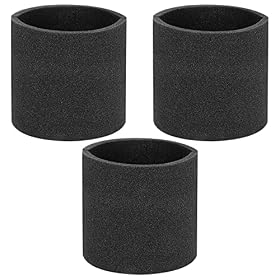
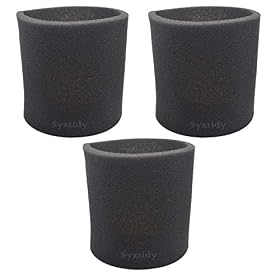
Shop vac filter replacement cost depends on the filter type, vacuum compatibility, filtration level, and whether you choose an OEM, aftermarket, or specialty filter. Here is how to estimate the real cost and avoid buying the wrong replacement.
Shop vac filter replacement cost
Shop vac filter replacement cost depends mainly on the filter type, the vacuum model, and the level of filtration required. A basic reusable cartridge filter may cost less than a specialty HEPA or fine-dust filter, while disposable filter bags and foam sleeves add an ongoing operating cost. In most cases, replacing a filter is a simple DIY job with no labor charge—but choosing the wrong filter can reduce suction, damage the motor, or allow fine dust into the exhaust.
What determines the replacement cost?
Filter type
Shop vacs commonly use one or more of these filter styles:
Pleated cartridge filters: Used for general dry pickup and available in different filtration levels and sizes.
Fine-dust filters: Designed to capture smaller particles than a basic general-purpose filter.
HEPA filters: Intended for higher-efficiency filtration when the vacuum and filter are designed to work together.
Foam sleeves: Often used for wet pickup or as a protective layer over another filter. They are not a substitute for every dry filter.
Disposable filter bags: These contain dust before it reaches the drum and may need regular replacement, especially during heavy dry pickup.
Specialty filters generally cost more than basic replacement filters because they use different media, construction, or sealing arrangements.
Vacuum compatibility
The filter must fit the vacuum’s make, model, drum size, and filter mounting system. Two filters that look similar may have different diameters, heights, openings, or locking mechanisms.
Before buying, check:
The model number on the vacuum.
The old filter’s part number, if still readable.
The filter dimensions and mounting style.
Whether the filter is intended for wet pickup, dry pickup, or both.
Whether the manufacturer requires a separate foam sleeve or filter bag.
A lower-priced filter that does not seal correctly is not a good value. Air can bypass the filter, and fine dust may reach the motor or blow back into the room.
OEM, aftermarket, and universal filters
An OEM filter is made or specified by the vacuum manufacturer. It is usually the easiest option for confirming fit, but it may not be the least expensive.
An aftermarket filter may cost less and can work well when its dimensions, filtration rating, and mounting design match the vacuum. Pay close attention to compatibility language rather than relying only on a similar-looking product photo.
A universal filter may fit several vacuums, but “universal” does not guarantee compatibility with every shop vac. Confirm the actual measurements and the manufacturer’s fit list before ordering.
Product prices and availability are accurate as of the date/time indicated and are subject to change. Any price and availability information displayed on Amazon.com at the time of purchase will apply to the purchase of this product.
The real cost of replacing a shop vac filter
The purchase price is only part of the calculation. Consider these costs and tradeoffs:
Replacement frequency: A filter used for drywall dust, concrete dust, sawdust, or ash may clog faster than one used for occasional household debris.
Cleaning requirements: Some reusable filters can be brushed or gently cleaned according to the instructions. Others should be replaced rather than washed.
Filter bags: Bags can improve cleanup and reduce filter loading, but they create a recurring consumable expense.
Downtime: Buying the wrong filter can leave the vacuum unusable until the correct part arrives.
Motor protection: A properly sealed filter can help prevent dust from reaching the motor and may reduce the risk of premature wear.
For occasional general-purpose use, a compatible reusable filter may be the most economical choice. For frequent fine-dust work, a higher-efficiency filter or filter-bag system may be worth the added cost because it can make cleanup easier and reduce how often the main filter needs attention.
Product prices and availability are accurate as of the date/time indicated and are subject to change. Any price and availability information displayed on Amazon.com at the time of purchase will apply to the purchase of this product.
Can you clean the old filter instead of replacing it?
Sometimes. Cleaning is reasonable when the filter is structurally sound, the vacuum manufacturer permits cleaning, and the filter is only loaded with removable dust.
Replace the filter if you find:
Tears, holes, or crushed pleats
A damaged gasket or sealing edge
A loose end cap or mounting ring
Persistent fine dust on the clean side of the filter
A musty smell or visible mold contamination
Reduced airflow that remains after cleaning
A filter that has become hard, brittle, or misshapen
Do not wash a filter unless its instructions specifically allow it. Water can damage some filter media and may leave the filter damp. A damp filter can restrict airflow and create problems when the vacuum is switched to dry pickup.
Product prices and availability are accurate as of the date/time indicated and are subject to change. Any price and availability information displayed on Amazon.com at the time of purchase will apply to the purchase of this product.
How to avoid buying the wrong replacement
Match the model, not just the brand
A manufacturer may use several filter designs across its product range. Search using the complete model number and the filter type, then compare the listing’s compatibility information with the markings on your vacuum.
Check wet and dry compatibility
Many wet-dry vacuums use different filtration arrangements for liquid and dry debris. A foam sleeve may be required for wet pickup, while a pleated cartridge filter is used for dry material. Follow the vacuum’s manual when changing between modes.
Never operate the vacuum with a filter arrangement that the manufacturer does not approve for the material being collected.
Confirm the filtration level
A standard cartridge filter may be adequate for ordinary dirt and larger debris, but fine dust requires a filter designed for that application. HEPA labeling is meaningful only when the complete filter is suitable for the vacuum and seals properly.
If you collect hazardous dust, lead-containing debris, asbestos, mold, or other regulated materials, do not assume a household shop vac and replacement filter provide adequate protection. Follow applicable safety requirements and use equipment specifically rated for the material.
Inspect the seal
The gasket or sealing surface should sit flat against the filter housing. A filter with the correct diameter but the wrong gasket thickness may leak around the edge. If the filter does not lock in place securely, do not improvise with loose spacers or tape unless the manufacturer specifically provides that procedure.
Product prices and availability are accurate as of the date/time indicated and are subject to change. Any price and availability information displayed on Amazon.com at the time of purchase will apply to the purchase of this product.
When should you replace the filter—and when should you replace the vacuum?
A filter replacement is usually the sensible first step when the vacuum still runs normally but suction has declined, dust escapes around the exhaust, or the filter is visibly damaged.
Consider replacing the entire vacuum when:
The motor makes grinding, burning, or unusual electrical noises.
The housing, drum, or filter mount is cracked and cannot seal.
The vacuum repeatedly overheats after the filter and hose are clear.
Compatible replacement filters are no longer available.
The repair requires electrical disassembly or motor replacement and approaches the value of the unit.
Unplug the vacuum before inspecting or changing the filter. If the cord, plug, switch, or motor shows signs of electrical damage, stop using the vacuum and have it evaluated by a qualified repair professional or replace it according to the manufacturer’s guidance.
Quick cost-check before ordering
Use this checklist to estimate the total replacement expense without relying on the filter’s headline price:
Identify the exact vacuum model.
Decide whether you need a standard, fine-dust, HEPA, foam, or bag-based filter.
Check whether the package contains one filter or multiple components.
Confirm whether a separate retainer, gasket, sleeve, or bag is required.
Compare the replacement interval with the filter’s cleanability.
Check shipping, return terms, and compatibility details.
Consider whether the filter is appropriate for the material you collect.
The cheapest filter is not necessarily the lowest-cost option if it clogs quickly, fits poorly, or must be replaced after a single cleaning. Correct fit, suitable filtration, and reasonable service life matter more than the initial price alone.
FAQ
How often should a shop vac filter be replaced?
Replace it when it is damaged, no longer seals, remains restricted after approved cleaning, or allows dust through. The interval depends on the material collected and how often the vacuum is used.
Is an aftermarket shop vac filter cheaper than an OEM filter?
It may be, but prices vary by model and filter type. Compare the aftermarket filter’s dimensions, mounting system, filtration level, and compatibility list with the original before buying.
Can I use a shop vac without a filter?
Do not do so unless the manufacturer specifically permits that setup for a particular type of pickup. Dry debris can reach the motor or exit through the exhaust, and wet-pickup instructions vary by vacuum.
Does a HEPA shop vac filter cost more?
HEPA and other high-efficiency filters often cost more than basic filters because of their filtration media and construction, but the exact cost depends on the vacuum and replacement design.
Should I replace the filter or the whole shop vac?
Replace the filter first when the vacuum motor and housing work normally. A replacement vacuum becomes more reasonable when the motor, electrical parts, drum, or filter mount is damaged or compatible filters are unavailable.