
A useful shop vac review should explain how the vacuum handles the jobs you have—not just list a high horsepower number. Focus on airflow and suction, filter suitability, usable capacity, hose size, and practical details such as weight and cord length. Treat headline specs as clues, then check how and under what conditions they were measured.
Reviews · Sat Sep 19
What Specs Actually Matter in a Shop Vac Review
The most useful shop vac specs are the ones tied to your cleanup needs. Here’s how to interpret airflow, suction, tank size, filtration, and more when reading a review.
Airflow and suction
Airflow, usually listed as CFM (cubic feet per minute), describes how much air the vacuum can move. It matters when picking up loose debris over a wider area or moving material through a hose and attachments.
Suction is often described as sealed pressure or water lift. It indicates how strongly the vacuum can pull against resistance, such as when lifting heavier debris or drawing liquid. Neither figure alone tells the whole story: airflow and suction work together, and performance can change with the filter, hose, and attachment installed.
When a review compares these numbers, look for the measurement method and test setup. Figures taken under different conditions may not be directly comparable. A review that explains pickup performance with the intended setup is more useful than one that ranks vacuums by a single number.
Shop vacuums for comparing key specifications
 Stanley - SL18116P Wet/Dry Vacuum, 6 Gallon, 4 Horsepower BlackSTANLEY
$57.39 as of
View on Amazon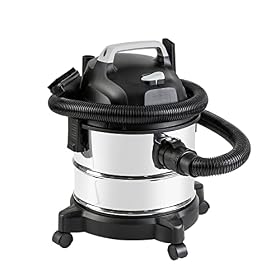 Amazon Basics Wet Dry Shop Vacuum Cleaner, 4 Gallon, 3 HP Stainless Steel, Grey/BlackAmazon Basics
$62.44 as of
View on Amazon Vacmaster VOC812SF 1101 8-Gal 6 Peak HP Stainless Steel Wet/Dry Vac RedVacmaster
$89.96 as of
View on Amazon
Product prices and availability are accurate as of the date/time indicated and are subject to change. Any price and availability information displayed on Amazon.com at the time of purchase will apply to the purchase of this product.
Motor horsepower and electrical draw
A peak horsepower claim is not a direct measure of real-world pickup. It is often a headline motor figure, so don’t assume a higher number means a vacuum will clean better. Prefer reviews that discuss actual airflow, suction, and task performance.
Amperage describes electrical draw, not suction. It can help you understand power requirements, but it doesn’t show how efficiently the vacuum turns electrical input into useful pickup. Follow the manufacturer’s electrical instructions, especially when using an extension cord or sharing a circuit with other tools.
Replacement filters for fine-dust or dry pickup
 CRAFTSMAN CMXZVBE38751 Genuine 5-20 Gal. Fine Dust Wet Dry Vacuum FilterCRAFTSMAN
$23.79 as of
View on Amazon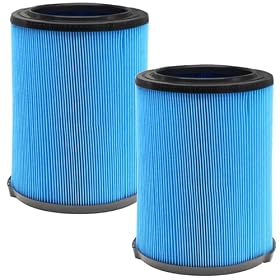 Replacement for VF5000 Ridgid Shop Vac Filter, 3-Layer Fine Dust FilterGIBTOOL
$24.99 as of
View on Amazon VF3500 HEPA Filter Replacement for Ridgid Shop Vacuum 3/4/4.5 Gallon Wet Dry Portable Vacuums,3-Layer Filters…Mochenli
$19.99 as of
View on Amazon
Product prices and availability are accurate as of the date/time indicated and are subject to change. Any price and availability information displayed on Amazon.com at the time of purchase will apply to the purchase of this product.
Tank capacity and practical size
Tank capacity tells you how much the container can hold, but the listed capacity may not equal the amount you can collect before emptying. For wet pickup, follow the fill line and shutoff instructions; for dry debris, a full tank or bag can reduce usable capacity and may affect airflow.
Choose a capacity that fits the job and how often you want to stop and empty it. A larger tank can mean more weight and a bulkier machine, which may be inconvenient if you need to carry it up stairs or store it in a small space. Reviews should distinguish container capacity from the vacuum’s overall size and weight.
Filtration and filter compatibility
Filter choice matters as much as motor claims, particularly for fine dust. Check what filter is included, what materials it is intended to capture, and whether the vacuum needs a different filter or bag for your cleanup. Wet pickup may require removing or changing the dry filter, depending on the model—follow its manual.
A filter labeled HEPA does not by itself establish that the entire vacuum is a certified HEPA system. Look for information about the complete machine and its stated filtration claims. Also check that replacement filters fit the exact vacuum model; similar-looking filters may not be interchangeable.
A review should say whether its performance observations used the included filter, an optional filter, or a collection bag. Those details affect how relevant the comparison is to your intended use.
Hose diameter, length, and attachments
Hose diameter affects which debris can pass through and whether the hose works with your tools and accessories. A narrower hose may be easier to handle in tight areas, while a wider one can be less prone to clogging with larger debris. Check for included adapters if you plan to connect the vacuum to a power tool or use attachments with a different connection size.
Hose length and flexibility also affect reach and handling. Reviews should note whether accessories are included or sold separately, and whether the hose and attachments stay securely connected during use. Don’t assume an accessory will fit just because it is described as a shop vac attachment.
Noise, portability, and build details
Noise ratings can help compare machines only when the measurement method and distance are similar. Otherwise, use review descriptions as a rough guide rather than a precise ranking.
For portability, look beyond the machine’s weight. Wheel quality, handle placement, cord storage, hose storage, and whether the tank is easy to empty all affect everyday use. For a stationary workshop vacuum, these details may matter less than hose compatibility or filtration.
How to judge a shop vac review
Before relying on a comparison, check whether it:
- Connects specifications to specific tasks rather than declaring one vacuum best for everyone.
- Explains the conditions behind airflow, suction, and noise measurements.
- Identifies the filter and accessories used, including what comes in the box.
- Distinguishes tank capacity from the practical amount you can collect.
- Notes limitations, such as clogging, filter changes, awkward storage, or poor accessory fit.
For occasional garage cleanup, a manageable size and easy storage may matter more than the highest headline rating. For fine dust or tool-connected collection, prioritize appropriate filtration, compatible hose connections, and relevant performance details. For wet pickup, verify the model’s wet-use setup and follow its instructions.
FAQ
Is higher CFM always better in a shop vac?
Not by itself. CFM describes airflow, but pickup also depends on suction, the filter, hose, and attachment. Compare figures measured under similar conditions and consider the task.
Does higher peak horsepower mean a shop vac has stronger suction?
Not necessarily. Peak horsepower is not a direct measure of pickup performance. Look for airflow and suction information, test conditions, and task-specific results.
Can I use any shop vac filter that fits the opening?
No. Filters need to be compatible with the specific vacuum and appropriate for the material being collected. Check the model’s manual and filter specifications.
What matters most for using a shop vac with power tools?
Check hose diameter and connection compatibility, appropriate filtration for the material, and whether the vacuum has the features you need for tool-connected collection. Confirm details in the vacuum and tool manuals.