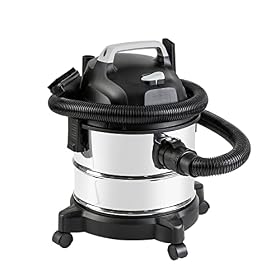
A brief spark inside a motor may come from its brushes, but sparks at the plug, cord, switch, or outside the motor can signal a dangerous fault. Unplug the shop vac and check it safely before considering any further use.
A shop vac that sparks when switched on may have a motor or electrical fault. Unplug it and stop using it if sparks are visible around the plug, cord, switch, or motor vents—or if you notice smoke, a burning smell, unusual noise, or a hot cord. A tiny, brief spark inside some brushed motors can occur during operation, but you can’t reliably confirm that it’s harmless without the manufacturer’s guidance.
What the sparks may mean
The location and behavior of the sparks matter:
At the plug or outlet: A repeated, large, or sustained spark can indicate a poor connection or damaged plug, cord, or outlet. Don’t keep plugging it in to test.
At the switch or along the cord: Stop using the vacuum. The switch or wiring may be damaged or loose.
Visible through the motor vents: The motor’s brushes or commutator may be worn or damaged, or another internal electrical fault may be present. Don’t open the motor housing unless the manufacturer specifically provides safe service instructions.
Brief and inside the motor, with no other symptoms: Some brushed motors produce a small amount of internal sparking. Check the manual or contact the manufacturer before deciding it is safe to continue.
Sparks can ignite dust or vapors. Never operate the vacuum near gasoline, solvents, or other flammable materials, and don’t use it to collect combustible dust unless the vacuum is specifically rated for that purpose.
What to do before using it again
Disconnect power. Switch off the vacuum and unplug it by gripping the plug, not pulling the cord. If the plug, outlet, or cord is hot, smoking, or visibly damaged, don’t touch it; shut off the circuit breaker if you can do so safely.
Look for external damage. With the vacuum unplugged, check the plug and the full length of the cord for cuts, melted areas, loose prongs, or discoloration. Look for damage around the switch and housing without removing covers.
Check basic setup and airflow. Confirm the filter is installed correctly and is not clogged, and check the hose and inlet for a blockage. A full drum or restricted airflow can make a motor work harder, though these conditions do not by themselves explain visible electrical arcing.
Don’t repeatedly restart it. If you saw sparks outside the motor, or there was smoke, a burning odor, a tripped breaker, or unusual noise, leave it unplugged until it has been inspected.
Product prices and availability are accurate as of the date/time indicated and are subject to change. Any price and availability information displayed on Amazon.com at the time of purchase will apply to the purchase of this product.
When to repair or replace the shop vac
Have the vacuum assessed by the manufacturer or a qualified repair technician if the sparking came from the switch or motor, or if the cord, plug, or housing shows heat damage. Internal motor, switch, and wiring repairs can create shock or fire hazards if done incorrectly. Use only parts approved for the exact vacuum model and follow its service instructions.
If the motor or electrical components are damaged, the unit is uneconomical to repair, or suitable service parts are unavailable, replacing the shop vac is a reasonable next step. Don’t use it again until the fault has been resolved.
FAQ
Is it normal for a shop vac motor to spark?
A small, brief spark inside some brushed motors can occur, but visible or sustained sparking, sparks outside the motor, smoke, a burning smell, or unusual noise should be treated as a fault. Unplug the vacuum and consult its manual or a qualified repair technician.
Can I keep using my shop vac if it sparks only at startup?
Not if the sparks are visible at the plug, cord, switch, or outside the motor, or if there are other warning signs. Don’t repeatedly restart it to see whether the problem goes away.
Should I replace the motor brushes myself?
Only if the manufacturer provides service instructions for your exact model and you can follow them safely. Otherwise, have a qualified technician inspect the motor; incorrect electrical repairs can cause shock or fire.