If your shop vac motor smells like burning, turn it off and unplug it. Check the filter, hose, seals, setup, and drum before considering motor or electrical problems.
If your shop vac motor smells like burning, turn it off and unplug it immediately. Don’t keep running it to see whether the smell goes away: restricted airflow can overheat some vacuums, and a persistent odor may indicate motor or electrical damage. Let the unit cool before checking it, and follow its manual for model-specific instructions.
Check the filter and airflow
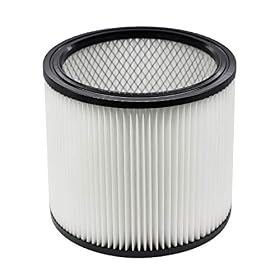
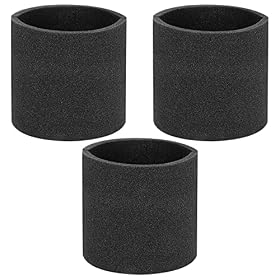
A clogged, damaged, or incorrect filter can restrict airflow and contribute to overheating. With the vacuum unplugged, remove the filter and inspect it for heavy dust buildup, damage, or moisture. Clean or replace it only as the manufacturer directs, and confirm that the filter is suitable for the material you were vacuuming and for wet or dry use.
Don’t run the vacuum without a filter unless the manual specifically allows it. If the filter is clean and correctly installed but the smell returns, stop using the vacuum.
Look for a hose or inlet blockage
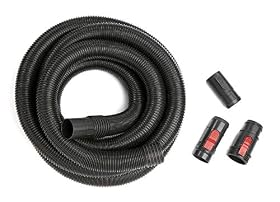
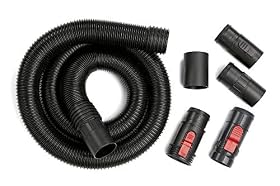
Disconnect the hose and attachments, then check for packed debris or an obstruction in the hose, nozzle, and vacuum inlet. Clear blockages only while the vacuum is unplugged. Avoid pushing a sharp object through the hose, which could puncture it.
If airflow was severely restricted, let the vacuum cool fully before any brief check. Stop immediately if the burning smell returns, the motor sounds abnormal, or the unit becomes unusually hot.
Product prices and availability are accurate as of the date/time indicated and are subject to change. Any price and availability information displayed on Amazon.com at the time of purchase will apply to the purchase of this product.
Check for leaks and incorrect setup
Make sure the lid is seated evenly and the filter, hose, and other parts are installed as the manual specifies. Check the lid gasket and other accessible seals for gaps, dirt, or damage. A poor seal can reduce suction and may affect airflow through the vacuum.
Confirm that the vacuum is set up for the job: for example, use the required filter or collection bag for the material being picked up, and don’t use a dry-only setup for liquids. If a seal is torn or a component won’t seat properly, replace the compatible part rather than forcing it into place.
Product prices and availability are accurate as of the date/time indicated and are subject to change. Any price and availability information displayed on Amazon.com at the time of purchase will apply to the purchase of this product.
Empty the drum or replace the bag
A full drum or collection bag can obstruct airflow. Empty it or replace the bag as directed, then check that debris hasn’t packed into the inlet or filter area. Reassemble the vacuum correctly before use.
Stop if the smell persists
If the filter, hose, seals, setup, and drum are in order but the smell returns, the motor or an electrical component may be overheating or damaged. Don’t open the motor housing or attempt electrical repairs unless you’re qualified and the manufacturer provides a repair procedure.
Also stop using the vacuum if you see smoke, sparks, melted plastic, a damaged cord or plug, or a plug that feels hot. Keep it unplugged and contact the manufacturer or a qualified repair professional. If the vacuum is not serviceable, replacement may be more practical than repair.
FAQ
Can I keep using a shop vac if the burning smell goes away?
Only consider a brief check after it has cooled and you have corrected an obvious airflow or setup problem. Stop immediately if the odor returns, the vacuum sounds abnormal, or it becomes unusually hot.
Can a dirty filter make a shop vac smell like burning?
A clogged filter can restrict airflow and contribute to overheating on some models. Unplug the vacuum, inspect the filter, and clean or replace it according to the manual.
Is a burning smell from a shop vac dangerous?
It can be a warning of overheating or electrical damage. Turn the vacuum off and unplug it; do not continue using it if the odor persists or you notice smoke, sparks, heat damage, or a hot plug.