Brief snaps from a shop-vac hose or nozzle are often static, especially during dry-weather vacuuming. Shocks from the vacuum’s housing, cord, or switch may indicate an electrical problem—stop using it and get it checked.
A brief snap when you touch a shop-vac hose or nozzle is often static electricity caused by dry air and dust moving through plastic parts. You can reduce that buildup with the right filter and hose, but a shock from the vacuum’s housing, cord, or switch could signal an electrical fault. If that happens, stop using the vacuum and have it inspected.
Tell static discharge from an electrical fault
Static usually feels like a quick, localized snap when you touch the hose, nozzle, or another object after vacuuming. It may happen more often in dry air or while collecting fine, dry material.
Treat the shock as a possible electrical fault if it comes from the vacuum’s casing, plug, cord, or switch; feels like ongoing tingling rather than a one-time snap; or occurs along with sparks, a burning smell, unusual heat, or a tripped breaker. Stop, unplug the vacuum if you can do so safely, and do not use it again until it has been checked by a qualified repair professional. If the plug, cord, or outlet is damaged or wet, don’t touch it—get appropriate help.
When to replace a part or stop using the vacuum
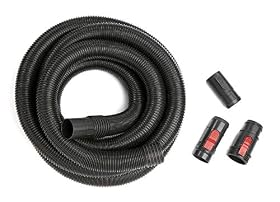
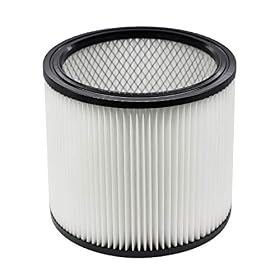
A compatible replacement hose is reasonable if the original is damaged or static remains a nuisance and the manufacturer supports an anti-static option. Replace a filter if it is damaged or cannot be cleaned as directed. Confirm part compatibility with the vacuum’s manual or manufacturer before ordering.
If shocks come from the vacuum body or electrical components, don’t try to solve the problem with a new hose or homemade grounding wire. Have the vacuum and its power supply checked by a qualified professional. Replace the vacuum if it has electrical damage that cannot be repaired safely or economically.
FAQ
Why does my shop vac shock me when I touch the hose?
A quick snap from the hose or nozzle is often static electricity from dry air and moving dust. Check that the filter and hose are correct, intact, and installed as directed. If the shock comes from the vacuum’s housing, cord, or switch, stop using it and have it inspected.
Will an anti-static shop-vac hose stop static shocks?
A manufacturer-approved static-dissipating hose may help, but compatibility matters. Check your vacuum’s manual or ask the manufacturer which hose is suitable. Don’t add a homemade wire or alter the vacuum’s grounding.
Can I keep using a shop vac that gives me a shock?
A brief snap from a plastic hose may be static, but a shock from the housing, cord, plug, or switch—or persistent tingling, sparks, burning smells, or breaker trips—could indicate an electrical fault. Stop using the vacuum and arrange an inspection.