A wet-dry shop vac can remove a small amount of clean water, but it is not a safe or practical solution for every basement flood. Check the water, electrical hazards, and vacuum’s wet-pickup instructions before using one.
A shop vac can help with a small amount of clean water in a basement, but it should not be your first move if the room is flooded, the water may be contaminated, or electrical equipment is submerged. Stay out of any area where water could reach live outlets or appliances; call a qualified cleanup professional when conditions are unsafe or the water source is uncertain.
When a shop vac is appropriate
A wet-dry vacuum may be useful for shallow, limited water left after a minor leak or for cleanup after the main water source has been stopped. It is best for manageable amounts that you can collect and dispose of safely—not for a deep or widespread flood.
For a large volume of standing water, repeated trips to empty a vacuum tank are slow and inconvenient. A professional water-removal service is generally the safer choice, especially if the water is rising, the basement is finished, or materials such as carpet and drywall are soaked.
Do not vacuum sewage, fuel, solvents, or water that may contain chemicals or other hazards unless the equipment and cleanup procedure are specifically rated for that use. When in doubt, keep out and contact a qualified remediation professional.
Check safety before bringing in a vacuum
Look for electrical hazards from a safe, dry location. Do not step into water to reach a breaker, outlet, appliance, or cord. If power needs to be shut off and you cannot do so without entering the wet area, contact the utility, emergency services, or a qualified electrician as appropriate.
Do not use a vacuum with a wet, damaged, or submerged plug or cord. Keep the motor and electrical connections out of the water. A GFCI-protected outlet is an important safeguard, but it does not make it safe to operate equipment in a flooded area.
Stop the water source only if it is safe. If water is entering rapidly or the source is not clear, leave the area and get professional help.
Never vacuum flammable liquids. Follow the vacuum manufacturer’s warnings about prohibited materials and use conditions.
Product prices and availability are accurate as of the date/time indicated and are subject to change. Any price and availability information displayed on Amazon.com at the time of purchase will apply to the purchase of this product.
What to look for in a shop vac
If the area is safe and the cleanup is small enough for a vacuum, check these details before choosing or using one:
Wet-pickup approval: The manual must allow wet pickup. A dry-only vacuum is not suitable.
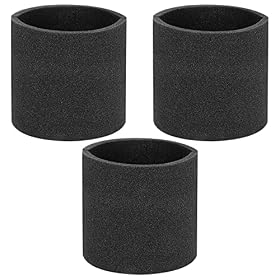
Wet filter setup: Some models require removing a dry cartridge filter or fitting a foam sleeve for wet pickup; others have different instructions. Use only the filter arrangement specified for that model. Do not run it with a dry-only filter if the manual says to remove it for water.
Tank capacity and emptying: A larger tank can mean fewer interruptions, but it will still fill quickly with standing water. A drain makes emptying easier; check that you can drain into a suitable location without carrying a full tank through the basement.
Float shutoff: Many wet-dry vacuums use a float to stop suction when the tank is full. It is a safeguard, not a substitute for monitoring the vacuum or emptying it as directed.
Hose and attachments: A hose that reaches the cleanup area without putting the vacuum’s motor or electrical connections in danger is more useful than extra accessories. Check that the hose and attachments are approved for wet pickup.
Capacity is often listed as tank volume, but it does not tell you exactly how much water the vacuum can collect before it needs to be emptied. Follow the manual’s wet-pickup limits and shutoff instructions.
Product prices and availability are accurate as of the date/time indicated and are subject to change. Any price and availability information displayed on Amazon.com at the time of purchase will apply to the purchase of this product.
Set up and use it carefully
Confirm the basement is safe to enter and the water is suitable for the vacuum.
Check the manual for the correct wet-pickup filter setup, hose, and tank instructions. Empty the tank before starting.
Place the vacuum on a dry, stable surface, away from the water. Use a properly protected power source as directed by the manufacturer; do not run a cord through standing water or use an extension cord unless the manual permits it.
Pick up a small area at a time and stay with the machine. Stop if the float shuts off suction, the vacuum behaves unusually, or water approaches the unit or power connection.
Unplug only from a dry, safe location, then empty and clean the vacuum as the manual directs. Dry it before switching back to dry pickup.
When to choose professional water removal
Call a water-removal or remediation professional if water is deep, spreading, contaminated, or near electrical systems; if you cannot safely reach the area; or if walls, insulation, carpet, or other porous materials are soaked. A shop vac removes water it can reach, but it does not dry hidden cavities or establish that the basement is safe and free of contamination.
If a vacuum is being considered only because a larger flood has overwhelmed it, stop using it and get the right cleanup help. If a suitable vacuum repeatedly loses suction after the tank is empty and the wet-pickup setup is correct, check the hose and seals according to the manual. Replace a damaged filter, hose, or seal with a compatible part; if the motor or electrical cord is damaged, discontinue use and contact the manufacturer or a qualified repair service.
FAQ
Can I use a shop vac to remove water from a flooded basement?
Only for a small amount of clean water when the area is safe to enter and the vacuum is approved for wet pickup. Do not use one around submerged electrical equipment or for deep, contaminated, or widespread flooding.
Do I need to remove the filter before vacuuming water?
It depends on the vacuum. Follow its manual: some models require removing a dry filter or installing a wet-pickup sleeve, while others specify a different setup.
Can a shop vac remove water from carpet or drywall?
It may pick up accessible surface water if the vacuum is approved for wet pickup, but it cannot reliably dry water trapped inside carpet padding, walls, or insulation. Those materials may need professional assessment.
Is a GFCI outlet enough to make shop-vac use safe in a flooded basement?
No. GFCI protection is a safeguard, not permission to operate electrical equipment in or near standing water. Do not enter a flooded area with electrical hazards; get qualified help.