
A shop vac can seem like a good buy at first but become a hassle when filters are hard to find, cleanup is messy, or the hose and attachments are awkward to replace. Before choosing one, look beyond advertised suction and tank capacity: the cost and availability of consumables, ease of maintenance, and access to compatible parts often matter more over years of ownership.
Reviews · Sat Sep 19
Long-term shop vac ownership issues reviewers skip
A shop vac’s long-term value depends on more than suction. Check filter availability, hose fit, cleanup, storage, and replacement-part support before buying.
Filter costs and availability
Filters are routine consumables, and the right type depends on the vacuum and the material you’re picking up. A filter intended for ordinary debris may not be suitable for fine dust, and wet pickup may require a different setup. Follow the vacuum’s manual for the correct filter and whether it must be removed, changed, or protected during wet use.
Before buying, search for replacement filters using the exact model number. Check whether the filter is readily available and whether the manufacturer offers the type you’ll need. A low purchase price can be less appealing if you’ll struggle to find the correct replacement later.
Do not assume a filter is washable or reusable because it looks sturdy. Clean or replace it only as the manufacturer directs. A clogged or damaged filter can reduce airflow and let dust escape.
Find compatible replacement filters
 VF4000 Replacement Filter for RIDGID Vacs Wet Dry VacuumZeekech
$21.88 as of
View on Amazon Replacement for CMXZVBE38754 Craftsman Filter, 5 to 20 Gallon Shop VacuumsGIBTOOL
$21.99 as of
View on Amazon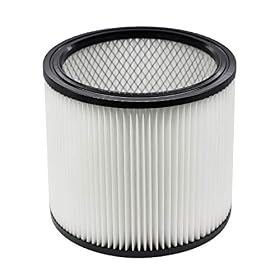 Extolife Replacement Filter Compatible with Shop-Vac 90350 90304 90333 Replacement fits most Wet/Dry Vacuum 5…Extolife
$13.97 as of
View on Amazon
Product prices and availability are accurate as of the date/time indicated and are subject to change. Any price and availability information displayed on Amazon.com at the time of purchase will apply to the purchase of this product.
Hose fit, attachments, and replacement parts
A hose that kinks, pulls loose, or is uncomfortable to handle can make frequent cleanup tedious. Compare the hose length and diameter with your intended work, and check how securely it connects at both ends. A wider hose can help move larger debris, but it may not fit accessories designed for a narrower connection.
Also check whether the included attachments meet your needs and whether compatible replacements are sold separately. Some accessories use model-specific fittings. Verify compatibility before buying a different hose or attachment rather than assuming that similar-looking parts will fit.
Look for replacement parts beyond filters, too: latches, casters, drain caps, and power cords can affect how long a vacuum remains useful. Parts availability varies by model, so check the manufacturer’s parts information before purchase if you expect heavy or frequent use.
Replace a worn or inconvenient hose
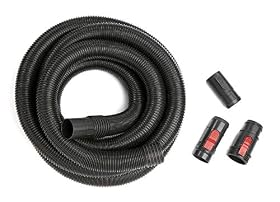 CRAFTSMAN CMXZVBE38759 2-1/2 in. x 20 ft. POS-I-LOCK Wet Dry Vacuum HoseCRAFTSMAN
$39.99 as of
View on Amazon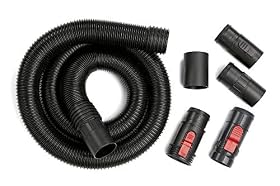 CRAFTSMAN CMXZVBE38763 2-1/2 in. x 7 ft. POS-I-LOCK Wet Dry Vacuum HoseCRAFTSMAN
$29.99 as of
View on Amazon 9196300 Replacement Hose for Sh-op Vac, 1.25" x 4 Ft Flexible Wet/Dry Vacuum Hose, Durable…VoltRidge
$13.99 as of
View on Amazon
Product prices and availability are accurate as of the date/time indicated and are subject to change. Any price and availability information displayed on Amazon.com at the time of purchase will apply to the purchase of this product.
Cleanup and storage can wear on your patience
Emptying a tank can release dust, and wet debris may leave residue that needs rinsing and drying. Consider how easy it is to remove the lid, reach the bottom of the tank, and drain collected liquid. A drain opening can make liquid disposal easier, but it does not eliminate the need to clean and dry the tank as the manual recommends.
Think about where the hose, cord, and attachments will go between jobs. Built-in storage can help, but check whether the hose and accessories actually fit securely in the provided holders. If the vacuum will live in a crowded garage or vehicle, compare its footprint and weight as well as its capacity.
Noise, power, and day-to-day handling
A shop vac’s sound can be a significant annoyance if it runs indoors or near other people. Product descriptions do not always make noise easy to compare, so look for credible noise information when available and consider whether the location and frequency of use make noise important to you.
Do not treat a large horsepower number as a complete measure of cleaning performance. Hose and filter condition, the type of debris, and the tool being used all affect results. Choose capacity and hose setup for your jobs, and avoid paying for a larger unit if its size and storage demands will make it inconvenient to use.
A practical pre-purchase checklist
Before choosing a model, confirm:
- Replacement filters for your intended materials are available.
- The manual explains the correct dry and wet configurations.
- The hose and attachments suit your tools and debris, with compatible replacements available if needed.
- The tank is manageable to empty, clean, and dry.
- The vacuum fits your storage space, and its cord and hose are manageable for your work.
- The manufacturer provides useful parts information for the components most likely to need replacement.
When maintenance is no longer enough
If suction drops, start with the basics: check the filter for clogging or damage, inspect the hose and intake for blockages, and check the lid, hose connections, and drain cap for leaks or poor seals. Confirm the vacuum is assembled for the task, and empty an overfull tank or replace a full bag if the model uses one. Follow the manual for wet-versus-dry setup.
If airflow remains weak after those checks, unplug the vacuum and consult the manufacturer’s troubleshooting instructions. Do not open or repair electrical components unless you are qualified to do so. A replaceable hose, filter, seal, or latch is often a reasonable fix when the part is available and the rest of the vacuum is in good condition. If the motor has failed, the unit has electrical damage, or essential parts are unavailable, replacing the vacuum may be more practical than repairing it.
FAQ
How can I tell whether a shop vac filter is easy to replace?
Search the exact model number with the word “filter” and confirm that the replacement is specified for that vacuum. Also check the manual for the correct filter type for your planned dry and wet use.
Can I use any shop vac hose or attachment?
No. Connection sizes and fittings can vary. Check the vacuum and accessory specifications, and confirm compatibility before ordering a replacement hose or attachment.
What should I check first when a shop vac loses suction?
Check for a clogged or damaged filter, a blocked hose or intake, leaks at the hose or lid, incorrect setup, and a full tank or bag. If suction stays weak, consult the manual before considering motor or electrical issues.
Is a larger shop vac always better for long-term ownership?
Not necessarily. A larger tank can mean fewer emptying stops, but it may also take more storage space and be heavier to move. Choose capacity and hose setup for the jobs you actually do.