
A useful shop vac review tells you how the vacuum performs in conditions like yours, how it was evaluated, and what tradeoffs to expect. Look beyond star ratings and headline horsepower: suction results, filtration, hose and accessory fit, tank capacity, and cleanup needs are more helpful when they’re explained in context.
Reviews · Sun Sep 13
How to read a shop vac review
A useful shop vac review explains how the vacuum was evaluated and whether its performance fits your tasks—not just its advertised horsepower or star rating.
Check what the review actually evaluated
Look for the kinds of messes, materials, and surfaces the reviewer considered. A vacuum that handles wood chips in a workshop may not be the right choice for fine dust, a vehicle interior, or occasional liquid pickup.
A strong review describes its process: what it picked up, on what surface, with which filter and attachment, and whether the drum or bag was empty. It also distinguishes direct observations from manufacturer claims. If a review gives a strong verdict without explaining how it reached it, treat that conclusion as limited evidence.
Shop vacs for general cleanup
 Stanley - SL18116P Wet/Dry Vacuum, 6 Gallon, 4 Horsepower BlackSTANLEY
$57.39 as of
View on Amazon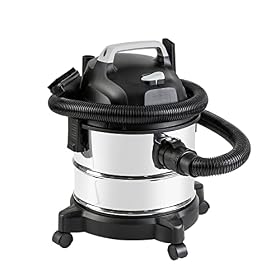 Amazon Basics Wet Dry Shop Vacuum Cleaner, 4 Gallon, 3 HP Stainless Steel, Grey/BlackAmazon Basics
$62.44 as of
View on Amazon Vacmaster VOC812SF 1101 8-Gal 6 Peak HP Stainless Steel Wet/Dry Vac RedVacmaster
$89.96 as of
View on Amazon
Product prices and availability are accurate as of the date/time indicated and are subject to change. Any price and availability information displayed on Amazon.com at the time of purchase will apply to the purchase of this product.
Read performance numbers in context
CFM and water lift
CFM (cubic feet per minute) describes airflow; water lift describes sealed suction. Both can help explain performance, but neither alone predicts how quickly a vacuum will pick up every material. Hose diameter and length, filter condition, attachment design, and leaks also affect real-world pickup.
Compare figures only when the review or manufacturer explains how they were measured. Test methods may differ, so numbers from different sources are not always directly comparable.
Peak horsepower
Peak horsepower is a marketing-oriented electrical rating, not a direct measure of pickup performance. A review that treats peak horsepower as proof that one shop vac cleans better is missing important context. Give more weight to clearly described pickup tests and practical observations.
Tank capacity
Capacity indicates how much the drum can hold, not how easy the vacuum is to use. Consider whether a review describes the drum’s usable space, how often it needed emptying, and how manageable it was to move and dump. A larger tank may be helpful for bulky debris but can be awkward when full.
Shop vacs for fine-dust work
 CRAFTSMAN CMXEVBE17595 16 Gallon 6.5 Peak HP Wet Dry Shop VacuumCRAFTSMAN
$149.99 as of
View on Amazon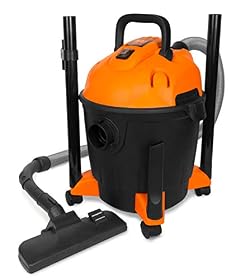 WEN VC4710 10-Amp 5-Gallon Portable HEPA Wet/Dry Shop Vacuum and Blower with 0.3-Micron Filter, Hose,…WEN
$64.01 as of
View on Amazon CRAFTSMAN CMXEVBE17656 20 Gallon 6.5 Peak HP Wet Dry Shop Vacuum with CartCRAFTSMAN
$239.99 as of
View on Amazon
Product prices and availability are accurate as of the date/time indicated and are subject to change. Any price and availability information displayed on Amazon.com at the time of purchase will apply to the purchase of this product.
Look closely at filtration and dust handling
Check which filter the review used and whether it was appropriate for the material. A standard shop vac filter may not be suitable for fine dust. When dust control matters, look for clear information about compatible filters, bags, and the manufacturer’s guidance for the material being collected. Don’t assume a review tested fine-dust containment just because it mentions filtration.
For hazardous dust, follow the material’s safety guidance and the vacuum manufacturer’s instructions. A general shop vac review is not proof that a model is suitable for hazardous materials.
Judge the practical details
A useful review covers details that affect routine work: hose reach and flexibility, whether attachments fit securely, how easy the filter is to access, how the vacuum drains or empties, and whether the unit is cumbersome to move. Noise can also matter, but comparisons are most useful when reviewers explain how they assessed it rather than relying on an unsupported label such as “quiet.”
Check whether the review identifies the exact configuration. Filters, bags, hoses, and included attachments can vary by package or model version. If a review’s setup differs from the one you’re considering, its conclusions may not transfer.
Separate evidence from opinion
A review is more helpful when it supports claims with repeatable observations, explains limitations, and includes drawbacks. Be cautious when it:
- Focuses on star ratings or sponsored claims without explaining performance.
- Compares models using different filters, attachments, or test conditions.
- Treats a brief demonstration as evidence of long-term durability.
- Makes broad claims about every type of dust or liquid from a narrow test.
- Omits the model or configuration details needed to verify what was reviewed.
Customer reviews can reveal recurring issues, such as fit problems or difficult cleanup, but individual experiences may reflect different uses and expectations. Look for patterns across multiple reviews rather than relying on one unusually positive or negative account.
Match the review to your work
Before choosing a shop vac, decide what matters most: fine-dust filtration, liquid pickup, bulky debris, portability, storage, or included accessories. Then use reviews to compare those specific needs. If the evidence is thin for your intended task, check the manufacturer’s specifications and instructions—or look for a review that evaluates that use directly.
FAQ
Is peak horsepower a reliable way to compare shop vacs?
Not by itself. Peak horsepower is not a direct measure of pickup performance. Look for clearly described tests and consider airflow, sealed suction, filtration, hose setup, and the type of debris.
Which shop vac review details matter most for fine dust?
Check which filter and bag were used, whether the review actually assessed fine-dust pickup or containment, and whether the setup follows the manufacturer’s guidance for that material.
Can I compare suction numbers from different reviews?
Only with caution. CFM and water-lift results depend on measurement methods and test setups, so figures from different sources may not be directly comparable.