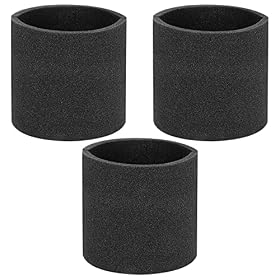
The cost of adding HEPA filtration to a shop vac depends on whether your vacuum accepts a compatible HEPA cartridge or needs an adapter, sealed filter setup, and replacement bags. Here is how to estimate the real cost before buying.
Adding a HEPA filter to a shop vac can cost anywhere from the price of a compatible replacement cartridge to substantially more if the vacuum needs an adapter, special bags, or a different filtration system. The first step is identifying whether your shop vac supports a true HEPA filter made for that model.
A HEPA-rated cartridge alone does not automatically make the entire shop vac a sealed HEPA vacuum. Air can still bypass the filter through poor seals, an open exhaust, an incompatible lid, or leaks around the hose and drum.
What determines the total cost?
1. The type of HEPA filter
The least complicated upgrade is a HEPA-rated cartridge filter designed to fit your existing shop vac. These filters replace the standard cartridge and usually require no permanent modification.
Before buying, check:
The shop vac brand and model number
Filter height, diameter, and mounting style
Whether the filter is intended for dry pickup
Whether the filter is washable or disposable
Whether the manufacturer identifies it as HEPA-rated
Do not assume that a filter described as “high-efficiency,” “fine dust,” or “allergen” is the same as a certified HEPA filter. Those terms can describe different filtration levels.
2. Whether an adapter is required
Some shop vacs do not accept a HEPA cartridge directly. An adapter or alternate filter cage may be required, adding another part to the purchase and another possible leak point.
A universal adapter may appear inexpensive, but it is only useful if it holds the filter securely and maintains a reliable seal. A loose or poorly fitting adapter can allow fine dust to bypass the filter.
3. Disposable filter bags
For fine dust, a compatible disposable collection bag can be an important part of the upgrade. The bag captures much of the debris before it reaches the cartridge, which can help maintain airflow and reduce filter loading.
Bag costs are ongoing rather than one-time costs. They also vary with bag size, pack quantity, material, and compatibility. Confirm that the bag fits your drum and does not block the filter or interfere with the float mechanism.
4. Seals and replacement parts
If the lid gasket, filter gasket, filter retainer, or drum seal is worn, adding a more expensive filter may not improve dust containment. Replacing a seal can be necessary to get the benefit of finer filtration.
Inspect for:
Cracked or flattened gaskets
A filter that rocks or does not lock in place
A damaged filter cage
Gaps around the lid
A hose that does not seat fully
Missing latches or warped plastic
These parts can affect the total upgrade cost, especially on an older shop vac.
Product prices and availability are accurate as of the date/time indicated and are subject to change. Any price and availability information displayed on Amazon.com at the time of purchase will apply to the purchase of this product.
A practical way to estimate the cost
Think of the upgrade as four possible cost levels:
Filter-only upgrade: A compatible HEPA cartridge replaces the existing dry filter.
Filter-and-bag setup: The cartridge is combined with disposable fine-dust collection bags.
Adapter upgrade: An adapter, alternate cage, or additional sealing part is needed before the HEPA filter can be installed.
Replacement-vacuum solution: The existing shop vac is incompatible, badly worn, or too leaky to justify upgrading.
Check the current cost of each required part rather than comparing the price of a filter alone. The real total is the filter, any adapter or seal, initial bags, and shipping or other ordering costs.
Product prices and availability are accurate as of the date/time indicated and are subject to change. Any price and availability information displayed on Amazon.com at the time of purchase will apply to the purchase of this product.
Is a HEPA filter worth adding to any shop vac?
Not always. A filter upgrade is more reasonable when the shop vac is in good condition, has a compatible cartridge available, and will be used for ordinary household dust, workshop debris, or other nonhazardous fine particles.
Replacing the vacuum may make more sense when:
No properly fitting HEPA filter is available
The lid or drum leaks
The motor loses suction or runs abnormally
Replacement parts cost nearly as much as a better-suited vacuum
You need certified dust control for a regulated or hazardous material
The vacuum exhausts filtered air directly into an occupied work area without adequate sealing
For asbestos, lead paint, mold remediation, silica, or other hazardous materials, do not rely on a generic shop-vac filter upgrade. Follow applicable regulations and the material manufacturer's or safety professional's requirements. A qualified professional may be needed.
Product prices and availability are accurate as of the date/time indicated and are subject to change. Any price and availability information displayed on Amazon.com at the time of purchase will apply to the purchase of this product.
How to avoid buying the wrong filter
Match the exact vacuum, not just the brand
A single brand may use several filter sizes and mounting systems. Use the model number from the rating label or owner's manual. Compare the replacement part number when one is provided.
Confirm dry-pickup compatibility
Many cartridge filters are intended for dry debris only. If you use the vacuum for liquids, remove or change components according to the manufacturer's instructions. Never assume a HEPA cartridge is suitable for wet pickup.
Look for a genuine filtration claim
Read the manufacturer's description carefully. A product can be designed for fine dust without being a HEPA filter. If a listing does not clearly identify the filtration standard or intended application, treat the claim cautiously.
Check airflow and clearance
A denser filter can restrict airflow, particularly when clogged. Make sure the replacement filter is approved for the vacuum and that it does not interfere with the float shutoff, filter cage, lid, or exhaust path.
Product prices and availability are accurate as of the date/time indicated and are subject to change. Any price and availability information displayed on Amazon.com at the time of purchase will apply to the purchase of this product.
What ongoing costs should you expect?
The main recurring expense is usually replacement bags or replacement filters. Filter life depends on the material collected, how often the vacuum runs, and whether the filter is cleaned correctly.
Do not shake fine-dust filters indoors. Follow the manufacturer's cleaning instructions, and replace a filter that is damaged, permanently clogged, or no longer seals. A washable filter still has a service life and may need replacement.
If suction drops after installation, check the bag and filter first. A high-efficiency filter that is overloaded can reduce performance more quickly than a coarse standard filter.
Bottom line
The cost of adding a HEPA filter to a shop vac is lowest when the vacuum accepts a model-specific HEPA cartridge with no adapter or seal changes. The total rises when you need an adapter, new gaskets, disposable bags, or multiple replacement parts. If the shop vac is old, leaky, or incompatible with a properly sealed HEPA setup, putting that money toward a suitable replacement may be the more practical choice.
FAQ
Can I put a HEPA filter on any shop vac?
No. The filter must fit the vacuum's mounting system and leave the lid, filter cage, float shutoff, and exhaust path working correctly. Some models need a specific cartridge, adapter, or cage.
Does a HEPA filter make a regular shop vac a HEPA vacuum?
Not necessarily. A HEPA cartridge may improve filtration, but dust can bypass it through leaks, poor seals, the hose connection, or the exhaust system. Certified HEPA vacuums are designed and evaluated as complete systems.
Are HEPA shop-vac filters reusable?
Some are washable or cleanable, while others are disposable. Follow the filter manufacturer's instructions. Do not wash a filter unless it is specifically designed for washing.
Should I use a bag with a HEPA filter?
A compatible collection bag can help capture fine dust before it reaches the cartridge and may make filter maintenance easier. Confirm that the bag fits the drum and is approved for the vacuum.
When should I replace the shop vac instead of upgrading the filter?
Replacement is often more practical when no compatible HEPA filter exists, the vacuum has damaged seals or weak suction, required adapters cost too much, or you need certified control for hazardous dust.